Monday, May 4, 2026
    The GeoStrategic Consensus
    No Result
    View All Result
    • Login
    • HOME
    • AMERICAS
      • Argentina
      • Brazil
      • Canada
      • Chile
      • Colombia
      • Costa Rica
      • Cuba
      • Dominican Republic
      • Ecuador
      • El Salvador
      • Greenland
      • Guatemala
      • Honduras
      • Mexico
      • Nicaragua
      • Panama
      • Paraguay
      • Peru
      • United States
      • Uruguay
      • Venezuela
    • ASIA-PACIFIC
      • Australia
      • Brunei Darussalam
      • Cambodia
      • China
      • Federated States of Micronesia
      • Fiji
      • Indonesia
      • Japan
      • Kiribati
      • Laos
      • Malaysia
      • Marshall Islands
      • Mongolia
      • Myanmar
      • Nauru
      • New Zealand
      • North Korea
      • Palau
      • Papua New Guinea
      • Philippines
      • Samoa
      • Singapore
      • Solomon Islands
      • South Korea
      • Taiwan
      • Thailand
      • Timor-Leste
      • Tonga
      • Tuvalu
      • Vanuatu
      • Vietnam
    • CARICOM
      • CARICOM – Non-English
        • Haiti
        • Suriname
      • CARICOM Associates
        • Anguilla
        • Bermuda
        • British-Virgin-Islands
        • Cayman-Islands
        • Curacao
        • Turks-and-Caicos
      • CARICOM English
        • Antigua and Barbuda
        • Barbados
        • Belize
        • Dominica
        • Grenada
        • Guyana
        • Jamaica
        • Montserrat
        • Saint Kitts and Nevis
        • Saint Lucia
        • Saint Vincent and the Grenadines
        • The Bahamas
        • Trinidad and Tobago
    • EURASIA
      • Armenia
      • Azerbaijan
      • Balarus
      • Georgia
      • Kazakhstan
      • Kyrgyzstan
      • Moldova
      • Russia
      • Tajikistan
      • Turkmenistan
      • Ukraine
      • Uzbekistan
    • EUROPE
      • Albania
      • Andorra
      • Austria
      • Bosnia and Herzegovina
      • Bulgaria
      • Croatia
      • Cyprus
      • Czech Republic
      • Denmark
      • Estonia
      • Finland
      • France
      • Germany
      • Greece
      • Holy See
      • Hungary
      • Iceland
      • Ireland
      • Italy
      • Kosovo
      • Latvia
      • Liechtenstein
      • Lithuania
      • Luxembourg
      • Malta
      • Monaco
      • Montenegro
      • Netherlands
      • North Macedonia
      • Norway
      • Poland
      • Portugal
      • Romania
      • San Marino
      • Serbia
      • Slovakia
      • Slovenia
      • Spain
      • Sweden
      • Switzerland
      • United Kingdom
    • MIDDLE EAST AND NORTH AFRICA
      • Algeria
      • Bahrain
      • Egypt
      • Iran
      • Iraq
      • Israel
      • Jordan
      • Kuwait
      • Lebanon
      • Lybia
      • Morocco
      • Oman
      • Palestinian Territories
      • Qatar
      • Saudi Arabia
      • Syria
      • Tunisia
      • Turkey
      • United Arab Emirates
      • Western Sahara
      • Yemen
    • SOUTH ASIA
      • Afghanistan
      • Bangladesh
      • Bhutan
      • India
      • Maldives
      • Nepal
      • Pakistan
      • Sri Lanka
    • SUB-SAHARAN AFRICA
      • Angola
      • Benin
      • Botswana
      • Burkina Faso
      • Burundi
      • Cabo Verde
      • Cameroon
      • Central African Republic
      • Chad
      • Comoros
      • Cote d’Ivoire
      • Democratic Republic of the Congo
      • Djibouti
      • Equatorial Guinea
      • Eritrea
      • Eswatini
      • Ethiopia
      • Gabon
      • Gambia
      • Ghana
      • Guinea
      • Guinea Bissau
      • Kenya
      • Lesotho
      • Liberia
      • Madagascar
      • Malawi
      • Mali
      • Mauritania
      • Mauritius
      • Mozambique
      • Namibia
      • Niger
      • Nigeria
      • Republic of the Congo
      • Rwanda
      • Sao Tome and Principe
      • Senegal
      • Seychelles
      • Sierra Leone
      • Somalia
      • South Africa
      • South Sudan
      • Sudan
      • Tanzania
      • Togo
      • Uganda
      • Zambia
      • Zimbabwe
    • HOME
    • AMERICAS
      • Argentina
      • Brazil
      • Canada
      • Chile
      • Colombia
      • Costa Rica
      • Cuba
      • Dominican Republic
      • Ecuador
      • El Salvador
      • Greenland
      • Guatemala
      • Honduras
      • Mexico
      • Nicaragua
      • Panama
      • Paraguay
      • Peru
      • United States
      • Uruguay
      • Venezuela
    • ASIA-PACIFIC
      • Australia
      • Brunei Darussalam
      • Cambodia
      • China
      • Federated States of Micronesia
      • Fiji
      • Indonesia
      • Japan
      • Kiribati
      • Laos
      • Malaysia
      • Marshall Islands
      • Mongolia
      • Myanmar
      • Nauru
      • New Zealand
      • North Korea
      • Palau
      • Papua New Guinea
      • Philippines
      • Samoa
      • Singapore
      • Solomon Islands
      • South Korea
      • Taiwan
      • Thailand
      • Timor-Leste
      • Tonga
      • Tuvalu
      • Vanuatu
      • Vietnam
    • CARICOM
      • CARICOM – Non-English
        • Haiti
        • Suriname
      • CARICOM Associates
        • Anguilla
        • Bermuda
        • British-Virgin-Islands
        • Cayman-Islands
        • Curacao
        • Turks-and-Caicos
      • CARICOM English
        • Antigua and Barbuda
        • Barbados
        • Belize
        • Dominica
        • Grenada
        • Guyana
        • Jamaica
        • Montserrat
        • Saint Kitts and Nevis
        • Saint Lucia
        • Saint Vincent and the Grenadines
        • The Bahamas
        • Trinidad and Tobago
    • EURASIA
      • Armenia
      • Azerbaijan
      • Balarus
      • Georgia
      • Kazakhstan
      • Kyrgyzstan
      • Moldova
      • Russia
      • Tajikistan
      • Turkmenistan
      • Ukraine
      • Uzbekistan
    • EUROPE
      • Albania
      • Andorra
      • Austria
      • Bosnia and Herzegovina
      • Bulgaria
      • Croatia
      • Cyprus
      • Czech Republic
      • Denmark
      • Estonia
      • Finland
      • France
      • Germany
      • Greece
      • Holy See
      • Hungary
      • Iceland
      • Ireland
      • Italy
      • Kosovo
      • Latvia
      • Liechtenstein
      • Lithuania
      • Luxembourg
      • Malta
      • Monaco
      • Montenegro
      • Netherlands
      • North Macedonia
      • Norway
      • Poland
      • Portugal
      • Romania
      • San Marino
      • Serbia
      • Slovakia
      • Slovenia
      • Spain
      • Sweden
      • Switzerland
      • United Kingdom
    • MIDDLE EAST AND NORTH AFRICA
      • Algeria
      • Bahrain
      • Egypt
      • Iran
      • Iraq
      • Israel
      • Jordan
      • Kuwait
      • Lebanon
      • Lybia
      • Morocco
      • Oman
      • Palestinian Territories
      • Qatar
      • Saudi Arabia
      • Syria
      • Tunisia
      • Turkey
      • United Arab Emirates
      • Western Sahara
      • Yemen
    • SOUTH ASIA
      • Afghanistan
      • Bangladesh
      • Bhutan
      • India
      • Maldives
      • Nepal
      • Pakistan
      • Sri Lanka
    • SUB-SAHARAN AFRICA
      • Angola
      • Benin
      • Botswana
      • Burkina Faso
      • Burundi
      • Cabo Verde
      • Cameroon
      • Central African Republic
      • Chad
      • Comoros
      • Cote d’Ivoire
      • Democratic Republic of the Congo
      • Djibouti
      • Equatorial Guinea
      • Eritrea
      • Eswatini
      • Ethiopia
      • Gabon
      • Gambia
      • Ghana
      • Guinea
      • Guinea Bissau
      • Kenya
      • Lesotho
      • Liberia
      • Madagascar
      • Malawi
      • Mali
      • Mauritania
      • Mauritius
      • Mozambique
      • Namibia
      • Niger
      • Nigeria
      • Republic of the Congo
      • Rwanda
      • Sao Tome and Principe
      • Senegal
      • Seychelles
      • Sierra Leone
      • Somalia
      • South Africa
      • South Sudan
      • Sudan
      • Tanzania
      • Togo
      • Uganda
      • Zambia
      • Zimbabwe
    No Result
    View All Result
    Agentially
    No Result
    View All Result
    Home EUROPE Montenegro

    A third of the apartments are illegal, there are almost no social housing: UNECE published a profile of Montenegro

    The Analyst by The Analyst
    May 3, 2026
    in Montenegro
    A third of the apartments are illegal, there are almost no social housing: UNECE published a profile of Montenegro


    Illegal construction remains one of the most serious challenges of urban development in Montenegro, where, according to estimates, even a third of the housing stock consists of illegally built buildings, which indicates long-standing weaknesses in spatial planning and law enforcement. That is why it is necessary to speed up the process of legalization and, in parallel, systematize informal settlements through simplified procedures and integrated improvement of infrastructure and living conditions.

    READ ALSO

    Burić was housed by the state and “Bemax”: Special conditions and prices applied to the prosecutor of the Supreme State Prosecutor’s Office

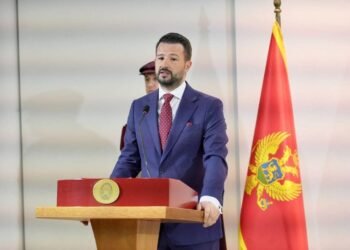
    Milatović in Yerevan with European leaders at the Summit of the European Political Community

    The supply of social and affordable apartments in Montenegro is very small, accounting for only 0.6% of the total number of apartments, while the existing programs, although with the help of the state, mostly push citizens to buy apartments, instead of offering affordable rent, which makes it increasingly difficult for many to solve the housing issue.

    These are some of the conclusions from the document “Profile of the State of Montenegro in the field of urban development, housing and land management” prepared by the Economic Commission for Europe (UNECE), which is part of the United Nations (UN).

    The Urban Development, Housing and Land Management Country Profiles are designed to help governments improve the impact of public policies in the housing, urban development and land management sectors, and to promote sustainable development. The profile of the state of Montenegro in the field of urban development, housing and land management was prepared in response to the Government’s request, sent through the Ministry of Spatial Planning, Urbanism and State Property.

    Pressure on Kotor and cultural heritage sites

    The document states that Montenegro has rapidly transformed in terms of settlement and territorial structures, under the influence of economic restructuring, demographic changes and widespread illegal construction.

    “Although the total number of inhabitants has been approximately stable since the 1990s, Montenegro is among the fastest urbanizing countries in Europe, primarily due to population migration from rural areas to urban centers, especially in the southern part of the country. While the coastal region and Podgorica have become hotspots of rapid growth and real estate investment, the northern region and rural areas are facing depopulation and weaker economic performance. The population structure in Montenegro is still very defragmented, with a small number of cities with more than 20,000 inhabitants. Podgorica has over a quarter of the total population, but it still does not reach the proportions of large urban agglomerations evident in other parts of the UNECE region,” the document said.

    The level of the average monthly net salary does not allow for affordable housing under market conditions without significant subsidies, especially in Podgorica and coastal municipalities, where tourism and investments further increase demand,” the document states.

    It was pointed out that there is growing concern due to the growing pressure on Kotor and other protected sites of cultural heritage, as well as on ecologically significant areas, where the integrity of cultural and natural values ​​is threatened by tourism development, large-scale construction projects and inadequate land management frameworks.

    It was noted that the Government implemented initiatives to strengthen regional development and alleviate regional disparities, including fiscal support to municipalities (through the Equalization Fund) and sectoral programs aimed at strengthening the competitiveness of the economy, encouraging investments, entrepreneurship, agriculture and tourism. Significant investments were made in the development of national and regional road infrastructure, which is essential for improving internal connectivity.

    “These initiatives have produced certain results, but the key problems that they sought to solve still exist, including spatial inequalities. In order to achieve the balanced territorial development envisaged by the Spatial Plan of Montenegro and accompanying strategies, it is necessary to devise a more integrated, local context-oriented and plan-driven approach to the local regeneration of municipalities and settlements. This implies parallel investment in social and physical infrastructure, as well as the implementation of social, fiscal and sectoral programs. The capacities of municipalities are currently limited, with most local annual budgets below 1,000 euros per inhabitant, which limits investments in local infrastructure and services”, UNECE points out.

    It is further stated that among the long-term challenges, widespread illegal construction prevails and a large share of illegally built buildings, which, according to estimates, account for as much as a third of the housing stock.

    “The term ‘Budvanization’ is used to describe uncontrolled construction in attractive areas, such as the coastal city of Budva, and symbolizes the risks of speculative development based on the real estate market and weak construction controls. The government launched several waves of legalization, but in the absence of stricter control mechanisms, they encouraged new unauthorized construction. Additionally, the approval rate of legalization applications was low: from the start of the legalization process in 2017 to the end of 2024 a total of 3,397 illegal buildings were legalized out of 62,000 submitted applications. The new Law on Legalization of Illegal Buildings (adopted in 2025) aims to reduce legal obstacles to legalization, with a clear framework for regularization and improvement of the implementation of regulations and responsibilities. The law foresees the formation of a new body responsible for managing the legalization process at the state level, while the municipalities retain the competence to resolve legalization requests at the local level.

    Recommendations for urban development

    In its report, UNECE points out that in order to improve urban and regional development in Montenegro, it is necessary to revise and strengthen the position of the National Sustainable Development Strategy until 2030, and to integrate it legally through the work of all authorities, while at the same time it is recommended that affordable housing be made an instrument of local and regional regeneration, especially in the north. The establishment of the Territorial Development Fund for the implementation of an integrated regeneration program, with the aim of creating quality conditions for life and more polycentric national development, with the acceleration of the legalization reform and the improvement of informal settlements, is mentioned as an important measure.

    Also, it is emphasized the need to pass by-laws and technical standards that will ensure the application of the principles of urban sustainability in spatial planning, urban design and construction, as well as that the modernization of railway and public transport and green mobility are set as priorities in transport investments. Special emphasis is placed on the development of innovative mechanisms for public participation and co-creation in planning, as well as on expanding the scope of data collection at the local level, such as GDP, income and the housing market, for better monitoring of territorial inequalities and more efficient shaping of public policies.

    When it comes to housing policy, it was pointed out that the housing sector of Montenegro was significantly transformed, especially through the rapid privatization of the public housing stock during the 1990s, which resulted in predominantly private ownership of housing, a limited public stock of rental apartments and growing affordability challenges, especially for households with lower and middle incomes.

    Apartments are becoming increasingly difficult for citizens to access

    “The construction sector remains active, but rising costs and a lack of qualified labor represent increasing constraints, with average construction costs in Podgorica reaching around 800 euros per square meter, not including land and utility costs. Housing affordability is becoming a growing problem. The rapid growth of tourism and demand from foreign buyers have influenced the rise of real estate prices, especially on the coast. It is estimated that the ratio of apartment prices to income is 1:8.6, which is more than double compared to the reference threshold of affordability set by UN-Habitat. The level of the average monthly net salary does not allow for affordable housing under market conditions, especially in Podgorica and coastal municipalities, where tourism and investments further increase demand,” the document states.

    UNECE recommends that in the area of ​​housing policy, Montenegro ensures the effective implementation of the new Housing Policy Strategy until 2034, with clearly defined measurable goals, data systems and integrated budgeting, as well as to revise the existing or adopt a new law on social and affordable housing with precise criteria and differentiated support models in accordance with different social needs.

    “It is necessary to develop the rental housing sector, including social housing and affordable rent, through regulatory reforms and incentives and to establish a National Fund for Housing Construction to support investments in the area of ​​affordable housing, and to strengthen the capacities and competences of municipalities for the development of local housing plans and the legal framework for the management and maintenance of residential buildings, and to modernize management practices,” the document states, adding that data collection should be improved for the purposes of creating evidence-based public policies in the area of ​​social and affordable housing.

    Tax empty apartments

    UNECE indicates that at the national level, allocations for housing are still limited, but that institutional reforms are underway through the establishment of a national housing agency and a national housing fund, which should lay the foundations for sustainable, long-term affordable housing policies.

    “In the housing market, pressures on affordability are growing, but the banking sector remains stable, while the share of mortgage loans is increasing, stimulated by the growth of wages and more favorable credit conditions. However, so far only a small part of transactions on the real estate market is financed through mortgages. Rents follow the growth of real estate prices, under the strong influence of dominantly short-term tourist leases. The high share of informal lease agreements continues to represent a significant challenge.

    UNECE recommends reforming the Equalization Fund and additionally strengthening the financial and administrative capacities of local governments for the preparation and implementation of projects, as well as expanding financial incentives for sustainable and affordable solutions to housing needs through the National Housing Fund, green mortgages and similar measures. It also points to the need to strengthen the housing market through better monitoring, taxation of empty apartments and the introduction of measures against speculation in the real estate market, with the parallel strengthening of financial mechanisms for the construction of regional infrastructure and the development of a green finance system that would support sustainable investments.

    Only 2,331 apartments for the most vulnerable

    UNECE indicates that the offer of social housing and affordable rent is extremely limited and constitutes only 0.6% of the housing stock – a total of 2,331 housing units in 24 municipalities. Most institutionalized housing programs, including programs implemented through housing cooperatives, the Montenegrin Fund for Solidarity Housing Construction, as well as employer-supported housing schemes, give primacy to the ownership model.

    “These programs often rely on public incentives (e.g., free land and exemption from paying utility fees), but the long-term public benefit is reduced by the sale of apartments after distribution. The “1000+” project, a public-private initiative of subsidized loans for the purchase of an apartment, has provided housing for 1,552 families since 2010, but also further strengthened the ownership model, instead of rental-based solutions. A new Law on Housing Support is being prepared with the corresponding Strategy of the housing policy of Montenegro until 2034, which sets strategic goals for the improvement of the regulatory framework, quality of housing, affordability and rental policy”, the document reads.

    Download the application and follow the news


    Get it on Google Play


    Download on the App Store

    FOLLOW US ON


    News


    Source link

    Related Posts

    Burić was housed by the state and “Bemax”: Special conditions and prices applied to the prosecutor of the Supreme State Prosecutor’s Office
    Montenegro

    Burić was housed by the state and “Bemax”: Special conditions and prices applied to the prosecutor of the Supreme State Prosecutor’s Office

    May 4, 2026
    Milatović in Yerevan with European leaders at the Summit of the European Political Community
    Montenegro

    Milatović in Yerevan with European leaders at the Summit of the European Political Community

    May 4, 2026
    A hero’s welcome for Save: Kenya celebrates the man who beat time
    Montenegro

    A hero’s welcome for Save: Kenya celebrates the man who beat time

    May 4, 2026
    This is how the referendum in Bar took place: Dominantly for independence, in four settlements 100 percent for “yes”
    Montenegro

    This is how the referendum in Bar took place: Dominantly for independence, in four settlements 100 percent for “yes”

    May 4, 2026
    News asks: Do you have the conditions to separate waste and are the institutions doing their job?
    Montenegro

    News asks: Do you have the conditions to separate waste and are the institutions doing their job?

    May 4, 2026
    Vesković: The election date will depend on Milatović’s decision and compliance with the prescribed deadlines
    Montenegro

    Vesković: The election date will depend on Milatović’s decision and compliance with the prescribed deadlines

    May 4, 2026
    Next Post
    Salianji “explodes” against Berisha: PD is heading towards extinction – Shqip.com

    Salianji "explodes" against Berisha: PD is heading towards extinction - Shqip.com

    POPULAR NEWS

    Justin Bieber fans flood Coachella festival for headlining show – Entertainment

    Justin Bieber fans flood Coachella festival for headlining show – Entertainment

    April 20, 2026

    Over 600 flee homes as Army, NPA clash in Negros Occidental

    April 21, 2026

    Ex-DPWH exec recalls P800-M ‘delivery’ to Zaldy Co 

    April 20, 2026

    Former PM Paluckas suspends party membership, to waive immunity over criminal probe

    April 24, 2026
    Pres. Ali challenges CARICOM to transform into health research powerhouse

    Pres. Ali challenges CARICOM to transform into health research powerhouse

    April 23, 2026

    EDITOR'S PICK

    Kooyman hosts Home Fest at Kendal Hill location this weekend

    Kooyman hosts Home Fest at Kendal Hill location this weekend

    April 23, 2026
    Slobodna Dalmacija – The new CUPRA Born takes over the roads with pure electric performance, pushing the boundaries and embodying the brand’s latest DNA

    Slobodna Dalmacija – The new CUPRA Born takes over the roads with pure electric performance, pushing the boundaries and embodying the brand’s latest DNA

    April 30, 2026
    Menopause, midlife and the end of people-pleasing | Health

    Menopause, midlife and the end of people-pleasing | Health

    March 25, 2026
    Brazilian water roller coaster is the tallest in the world – 05/01/2026 – Tourism

    Brazilian water roller coaster is the tallest in the world – 05/01/2026 – Tourism

    May 2, 2026

    Recent Posts

    • Mercedes-Benz Studio Praha: Galerie Mánes Becomes a Meeting Point for Innovation, Design and Culture in May
    • Trump says US will hike tariffs on EU cars and trucks to 25%
    • 5 things to say instead of ‘de rien’ when someone thanks you in French
    • This missile withdrawal weighs more heavily than the withdrawal of 5,000 soldiers

      © 2026 Agentially - Navigating shifting sovereignties and global risk .

      Welcome Back!

      Login to your account below

      Forgotten Password?

      Retrieve your password

      Please enter your username or email address to reset your password.

      Log In
      No Result
      View All Result

        © 2026 Agentially - Navigating shifting sovereignties and global risk .

        This website uses cookies. By continuing to use this website you are giving consent to cookies being used. Visit our Privacy and Cookie Policy.