- Al-Rawajeeh: Dissolving the councils is unjustified and violates the traditions of local government
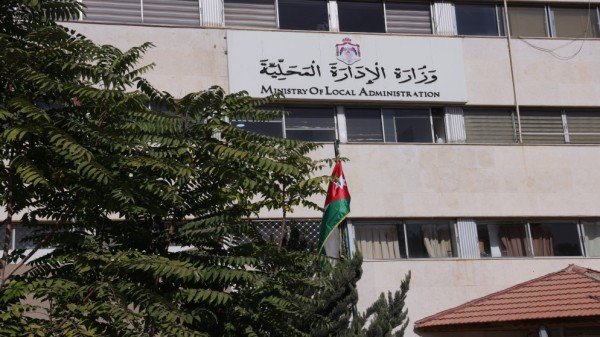
The government continues its dialogues with the parliamentary blocs and concerned authorities regarding the draft local administration law, in preparation for sending it to the House of Representatives soon, in a step aimed at developing the performance of municipalities and enhancing their development and service role.
In this context, the Minister of Local Administration, Engineer Walid Al-Masry, held a meeting with the head and members of the Azm Party parliamentary bloc, in the presence of a number of ministers, during which the most prominent features of the draft law were reviewed, which focuses on enabling municipal councils to perform their tasks more efficiently, especially since about 70% of the services provided to citizens are directly related to municipal work.
Al-Masry stressed that the draft law focused on municipal governance, enhancing financial discipline, activating oversight and accountability, in addition to developing planning and raising the quality of services, noting that these amendments came in line with the contents of the royal mandate letter and the statement of confidence in the government, and in continuation of the path of political modernization that included party and election laws.
He explained that the election mechanism will remain according to the previous model by electing the mayor and members through separate ballot papers for each of them, noting that the project includes raising the percentage of women’s representation in municipal councils to 30 percent, in addition to setting incentives to enhance youth participation in local decision-making.
He pointed out that the role of the Ministry of Local Administration will be regulatory and supervisory, with the assistance of cadres from the Audit Bureau to enhance oversight of spending and train municipal employees, pointing out that the project pays attention to expanding automation and digitization to control spending and achieve justice in providing services.
On the other hand, the draft law raised a number of comments from specialists and former officials, as the former mayor of Madaba, Arif Al-Rawajeh, said in a statement to Al-Rai that dissolving municipal councils is unjustified and violates the traditions of local government in Jordan, which extend for more than a hundred years.
Al-Rawajeh pointed out that municipalities have served as a model of democratic local government throughout their history.
He stressed that any tendency to appoint mayors instead of electing them is a retreat from this approach. He also warned against granting broad powers to executive directors at the expense of elected councils, as this may cause an administrative and constitutional defect.
He stressed the importance of supporting municipalities financially, noting that their current revenues are not commensurate with the volume of services required of them, pointing out that a capable municipality means a city capable of meeting the needs of its citizens and relieving pressure on state institutions.
In a statement to Al-Rai, lawyer Louay Bani Omar presented a set of legal proposals aimed at developing the draft local administration law in a way that enhances the principles of transparency and efficiency in the work of municipalities and governorate councils and limits executive interference in their decisions.
He stressed that one of the most prominent amendments required is the requirement that the mayor have a first university degree, while members of the municipal council are required to obtain a high school diploma as a minimum, which contributes to raising the level of administrative and technical efficiency within the elected councils.
Regarding the mechanism for selecting the deputy mayor, he stressed the need for him to be elected directly by citizens through an independent ballot paper instead of being elected from within the council members, which would enhance transparency and give voters a greater role in choosing their representatives.
He also called for the executive director to be subordinate to the mayor and the municipal council to ensure harmony in executive work, in addition to limiting the term of the municipal council to four years unless he commits violations that require referral to the judiciary, and that the judicial authority be the only one authorized to take the decision to dissolve the council instead of the minister or the cabinet.
In terms of financial oversight, it was suggested that the Ministry of Local Administration’s oversight be limited to auditing salaries, bonuses, and overtime items, in exchange for granting municipalities broader independence in preparing their budgets and determining their development and service needs, in addition to granting the mayor broader powers in administrative issues and personnel affairs.