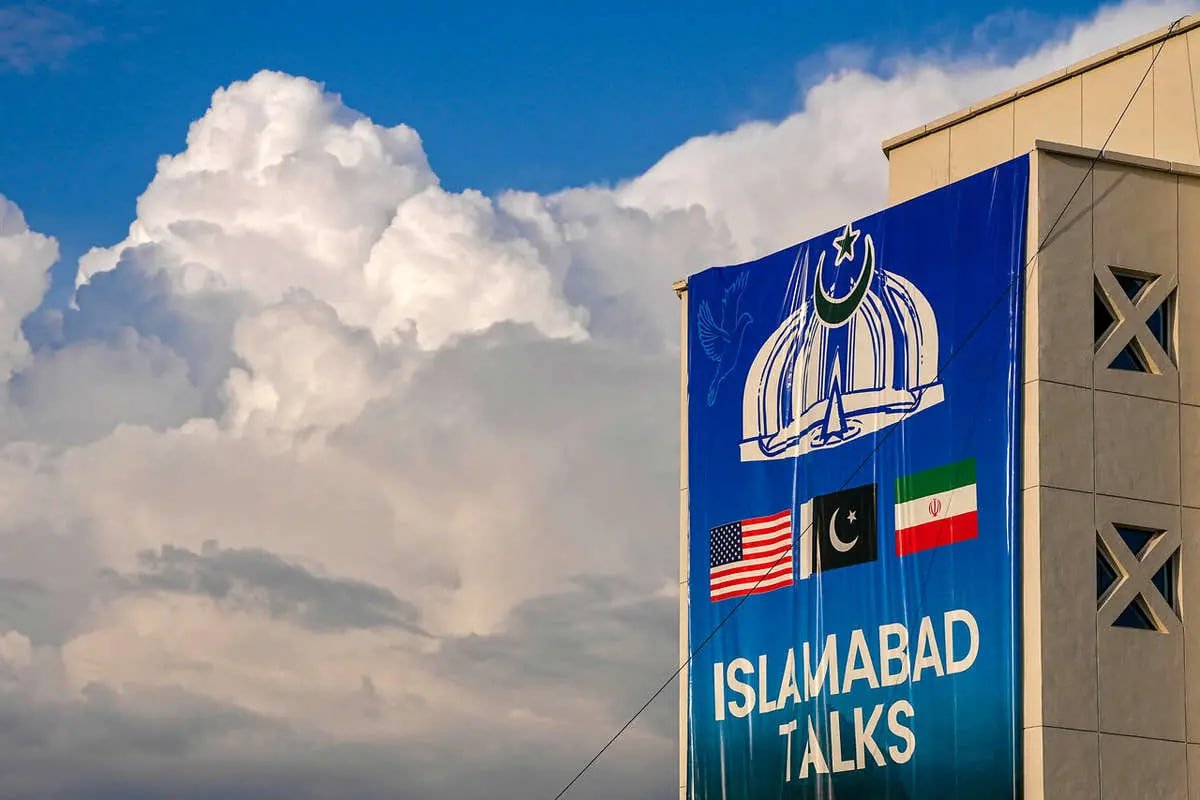
On May 1, Iran’s state media announced that a new proposal for talks with the United States, mediated by Pakistan, had been sent. Nothing is said about its contents.
“On Thursday evening, Iran presented the text of its latest negotiation proposal to Pakistan, which is participating as a mediator in the talks with the United States,” he said. message IRNA news agency gave.
It is not yet clear what the new offer will include, but world oil prices, which have risen sharply since the start of Iran’s closure of the Strait of Hormuz, fell after the announcement, Reuters wrote.
The White House declined to answer questions about Iran’s proposal and said it would not comment on closed-door diplomatic talks.
According to the statement of the Ministry of Foreign Affairs of Iran, on May 1, the Minister of Foreign Affairs of the country, Abbas Araqchi, had a telephone conversation with his colleagues from Saudi Arabia, Qatar, Turkey, Iraq and Azerbaijan and discussed “Iran’s latest initiatives to stop the war.”
The first round of talks between the US and Iran took place in mid-April and ended without results. Since then, the negotiations have reached an impasse: the US imposed a naval blockade on Iranian ports, while Iran continued to block the Strait of Hormuz – through which, before the war, about 20 percent of the world’s oil and gas supply, as well as many other valuable chemicals, passed through.
The ceasefire has been in place since April 8, but reports on Thursday that US President Donald Trump is to be briefed on plans for new military strikes to force Iran to the negotiating table sent world oil prices soaring to near four-year highs.
Two senior Iranian sources told Reuters on condition of anonymity that Iran has put its air defense systems on high alert and plans to launch a massive retaliatory strike in the event of an attack.
On Tuesday, Trump said he was unhappy with Iran’s earlier offer, while Pakistan had not yet set a date for new talks on a ceasefire.
May 1 is the official deadline for Trump to either end the war or convince Congress to extend it under the War Powers Resolution of 1973.
The War Powers Resolution of 1973 sets deadlines by which lawmakers must be notified of the initiation of hostilities, as well as when the president must withdraw American troops from a conflict zone unless authorized by Congress.
By law, the president must formally notify Congress within 48 hours of committing American troops to hostilities. From then on, a 60-day period begins, during which he must cease hostilities unless Congress declares war or authorizes the use of force.
The war with Iran began on February 28. In a March 2 letter, Trump formally notified members of Congress of the military action, triggering a 60-day deadline that ends Friday.
Defense Secretary Pete Hegseth told a Senate hearing on Friday that the 60-day countdown to the start of the ceasefire had stopped.