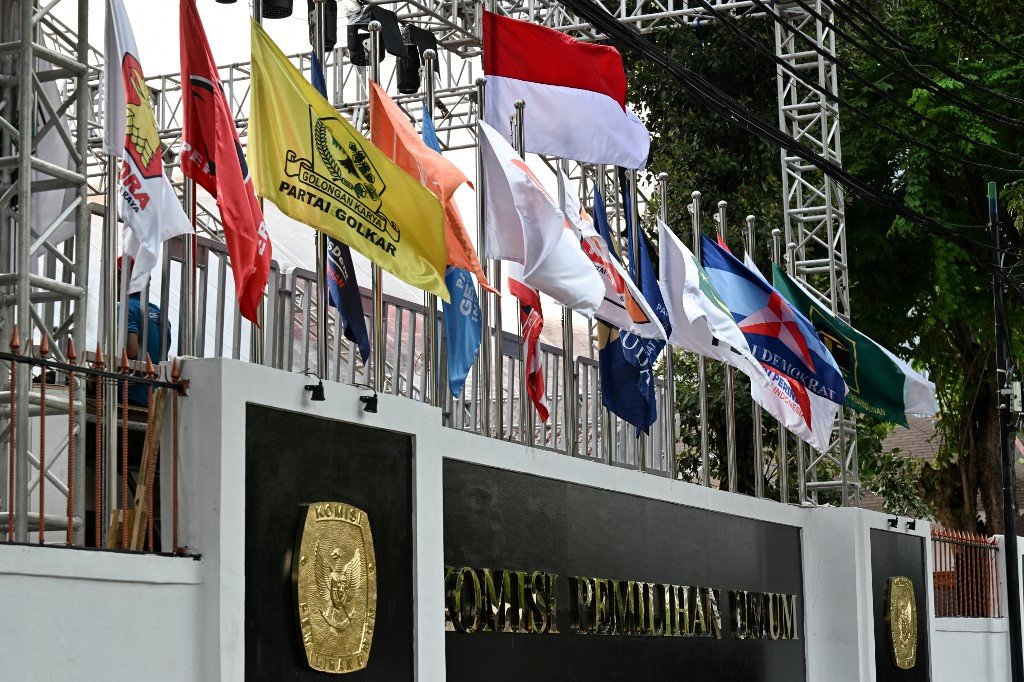
he Corruption Eradication Commission (KPK) has proposed limiting political party leaders to two terms to improve political party governance as part of efforts to curb corruption risks.
The idea immediately drew opposition from major parties, but was welcomed by analysts as a step toward political reform.
The proposal was stipulated in the antigraft body’s 2025 annual report’s appendix for its monitoring directorate, released on Thursday. It features a study on ways to improve governance in various institutions, including political parties, to tackle systemic corruption.
KPK spokesperson Budi Prasetyo said the study was part of the commission’s corruption prevention effort in political sectors, citing the growing number of graft cases involving regional leaders and the rising cost of running as an electoral candidate, which could encourage corruption.
The study, according to Budi, had involved consultations with political parties: “The report’s findings are objectively derived from the point of view of our colleagues in political parties, so they don’t come from just one or two perspectives.”
Read also: New political parties face long road to 2029 elections

Every Monday, Wednesday and Friday morning.
In the report, the KPK highlighted systemic weaknesses in the current political party system. Among them are the absence of a structured political education road map, the lack of an integrated membership development system, inadequate financial reporting mechanisms and unclear oversight arrangements under the 2011 Political Parties Law.