“I’m very proud of being a Greenlandic human”.
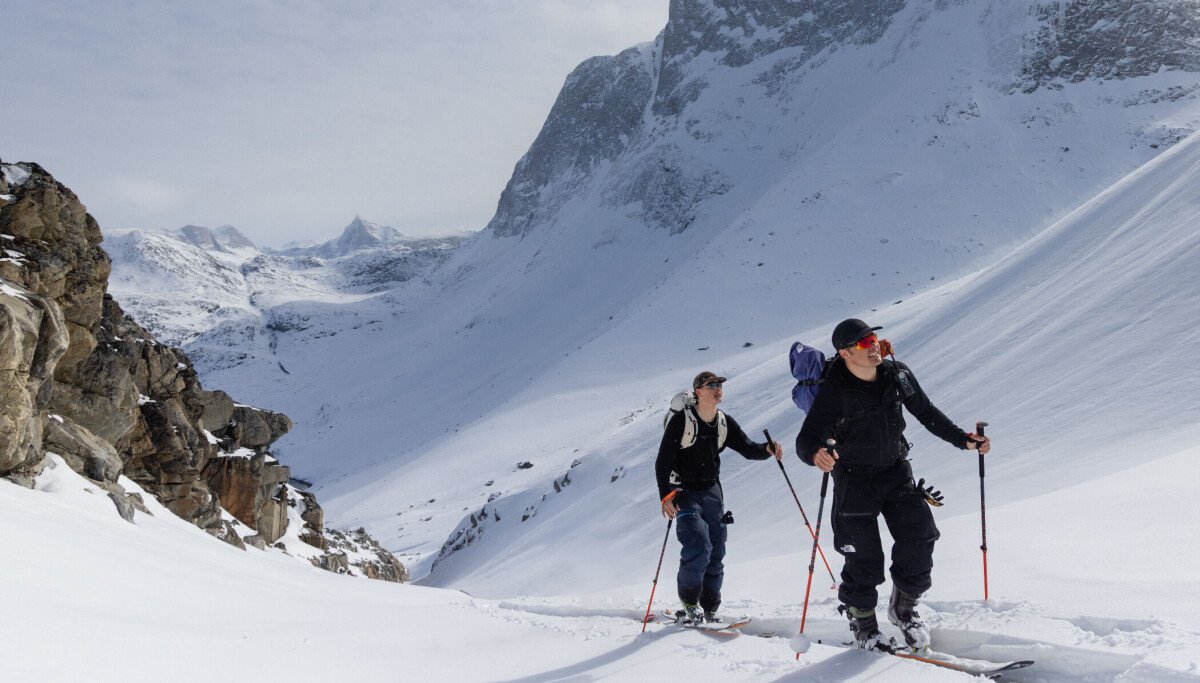
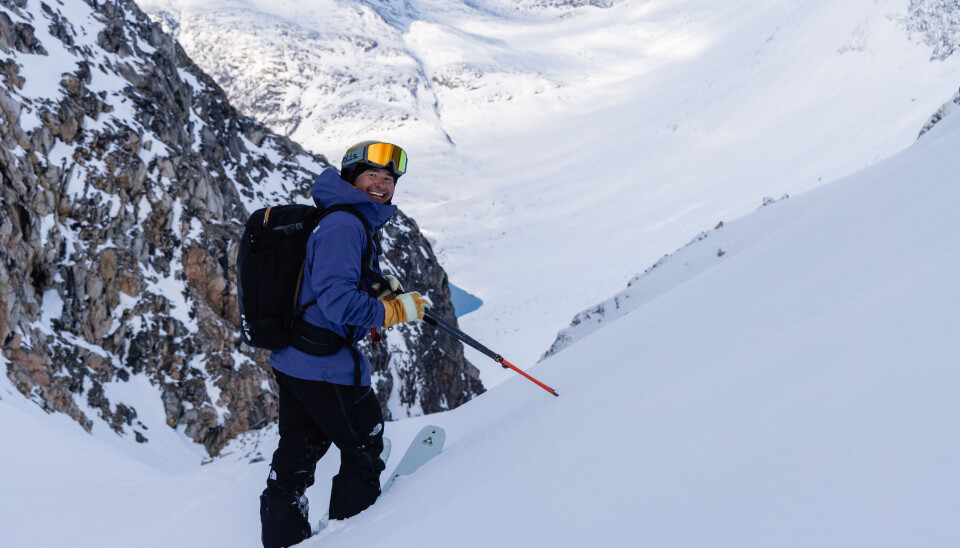
The words fall with particular weight, while the camera rests on two figures working their way up a steep mountainside on skis in bright sunlight.
Adam Kjeldsen walks in front, followed by his son Ilik Skov Kjeldsen. The snow crunches beneath them, the mountain rises, and the silence speaks almost as loudly as the voice.
This is how the documentary Shaped by Land opens – with an image of strength, heritage and cohesion. Two generations on the way up. Together.
More than a ski film
On the surface, the film is a tale of skiing, steep mountain sides and adventure in arctic surroundings. But something bigger is hiding under the snow. Shaped by Land is equally about identity, belonging and the question of who gets to tell the story of Greenland – and who profits from it.
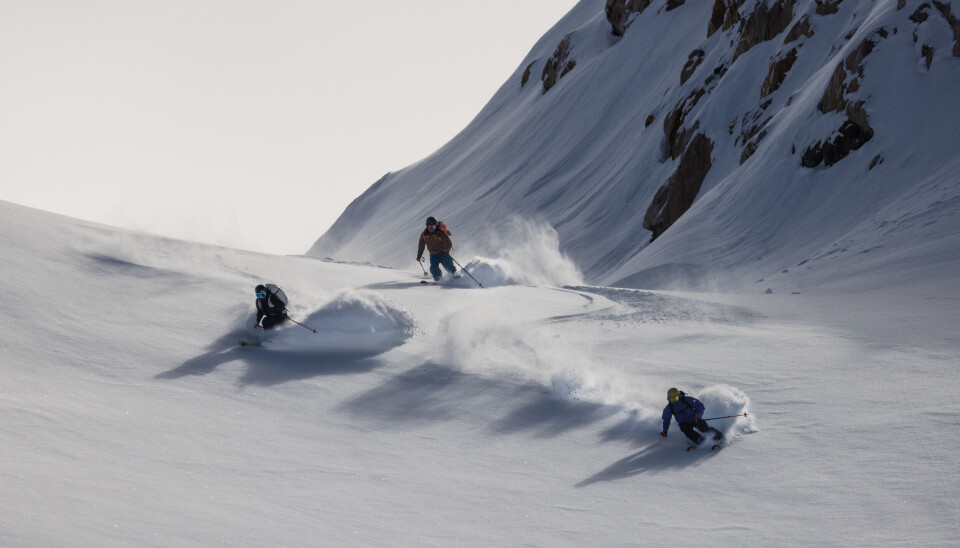
The director behind the film, Emily Sullivan, says that this particular perspective was central from the beginning.
– A lot of media content was made about skiing in Greenland, but no one had really focused on the local skiing environment. Many visitors completely miss out on the local culture, and that’s a shame. When I first started working on the project, there were some who said: ‘I had no idea you skied in Greenland’ – and it’s really surprising to me, says the director, who lives in Alaska on a daily basis.
At the same time, she points out that the film is being released in a time when Greenland occupies more of a global presence – but where the Greenlandic voices are not always heard clearly enough.
– Showing a Greenlandic community that vividly and joyfully shapes its own relationship with the country feels more important than ever, says the director.
For decades, Greenland has often been portrayed from the outside – as an exotic destination or untouched nature. This documentary tries something different. Here, it is not the landscape alone that is the protagonist, but the people who live with it, know it and carry it within themselves. This is the film’s greatest strength.
Knows the mountains by name
Adam Kjeldsen is not presented as a classic action sports hero, but as a person characterized by calmness, experience and pride. He knows the mountains like the back of his hand. He knows where the snow drifts, where the wind blows and which places demand respect. For him, guiding is not only about taking guests up and down the mountains, but about conveying the Greenland that he himself is shaped by.
One of the film’s strong moments takes place on the water. Adam shouts over to another boat and asks who will guide the guests up the mountains. The answer comes back in broken English: A Frenchman. Adam looks clearly disappointed, but calmly replies that they must take care of themselves and act in a safe manner. The scene says more than many interviews could have.
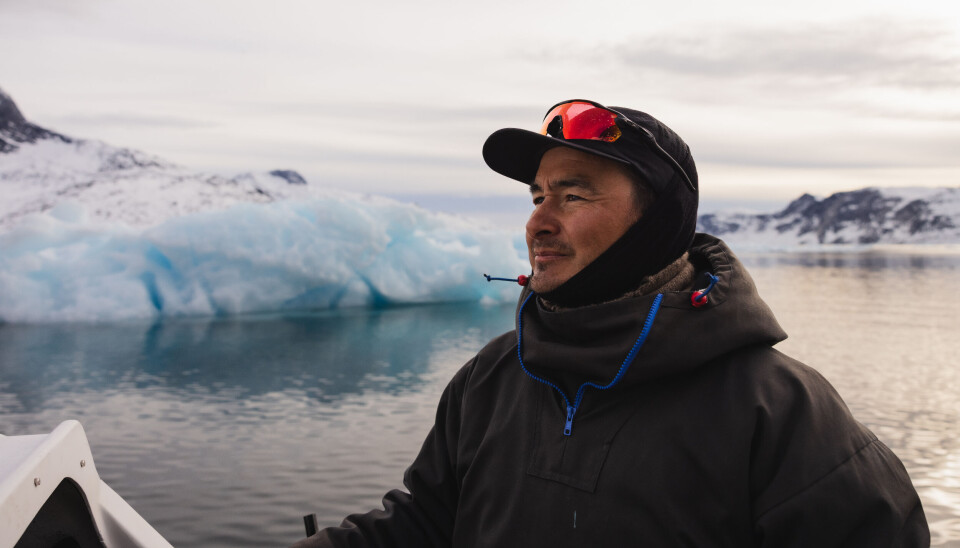
Major foreign ski players come to Greenland, market the mountains and resell the experience, often without the local anchoring, name recognition or understanding of the place that people like Adam possess. When that happens, Greenland easily becomes a backdrop rather than a home. The documentary also points to the economic downside. The money will be too little in Greenland, the way ski tourism works now. While foreign companies and guides bring in customers, there are very few local players who actually operate in the market.
This makes the film’s message all the sharper: Nature is Greenlandic, but the value often disappears out of the country. Precisely the imbalance that the film points to, Greenland has tried to do away with politically. The new Tourism Act requires local anchoring and a Greenlandic presence in the industry, so that nature is not simply sold by others, while the profit disappears out of the country. If the law has the desired effect, some of the bias depicted in the film may be about to change.
Beautiful – but could bite harder
If the film has a weakness, it is that it does not reach deep enough into the problem it raises itself. The documentary only lasts 16 minutes, and although all 16 minutes are beautiful, strong and well composed, you are left with the feeling that the story has only just opened the door.
The conflict between local guides and foreign actors, the question of financial gain and the fight for the right to define Greenland deserve more space. Here, the film could have dared to linger longer and dig deeper.
You are not left unsatisfied – but hungry for more depth.
A film that hits home
For a Greenlandic audience, Shaped by Land will be experienced differently than for international viewers. Where others see adventure, many here will see recognition. Where others see wild nature, we want to see home.
The director expresses a hope for precisely that recognition and closeness in the meeting with the audience. She says:
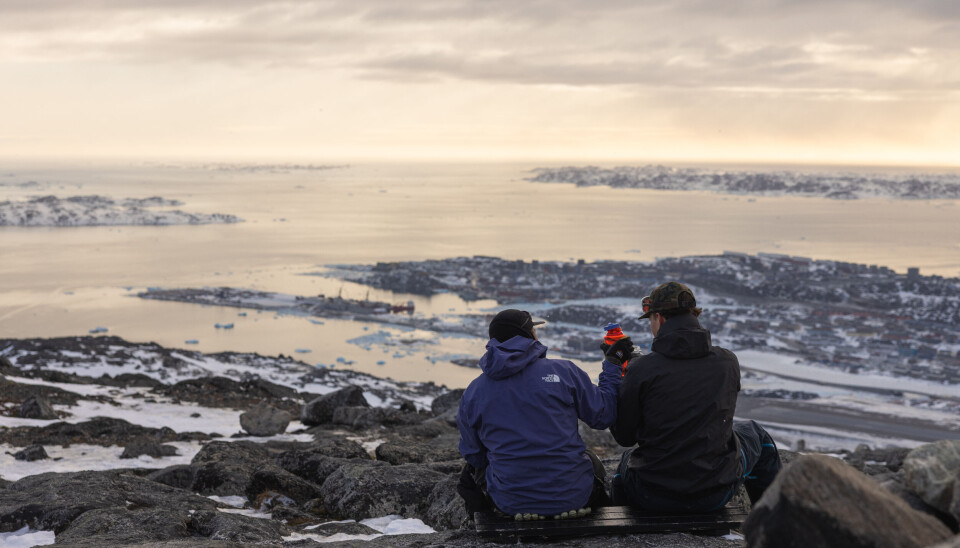
– I hope the film makes the Greenlandic audience feel proud of their local skiing environment and hope for the future, says Emily Sullivan.
It is precisely in that balance that the film stands strongest: between the beautiful and the intimate, between the visual adventure and the people who actually live in it.
When the son Ilik follows his father up the mountain, it is therefore not just a ski trip, but a silent image of something bigger – a handing down of knowledge, experience and belonging from one generation to the next.
It is in those moments that Shaped by Land strikes. Not by explaining everything, but by letting the landscape and the people talk together. That makes the film important.
A beautiful, thought-provoking and politically relevant documentary that shows Greenland from the inside – and asks a necessary question about who really reaps the benefits of the country.