Monday, May 4, 2026
    The GeoStrategic Consensus
    No Result
    View All Result
    • Login
    • HOME
    • AMERICAS
      • Argentina
      • Brazil
      • Canada
      • Chile
      • Colombia
      • Costa Rica
      • Cuba
      • Dominican Republic
      • Ecuador
      • El Salvador
      • Greenland
      • Guatemala
      • Honduras
      • Mexico
      • Nicaragua
      • Panama
      • Paraguay
      • Peru
      • United States
      • Uruguay
      • Venezuela
    • ASIA-PACIFIC
      • Australia
      • Brunei Darussalam
      • Cambodia
      • China
      • Federated States of Micronesia
      • Fiji
      • Indonesia
      • Japan
      • Kiribati
      • Laos
      • Malaysia
      • Marshall Islands
      • Mongolia
      • Myanmar
      • Nauru
      • New Zealand
      • North Korea
      • Palau
      • Papua New Guinea
      • Philippines
      • Samoa
      • Singapore
      • Solomon Islands
      • South Korea
      • Taiwan
      • Thailand
      • Timor-Leste
      • Tonga
      • Tuvalu
      • Vanuatu
      • Vietnam
    • CARICOM
      • CARICOM – Non-English
        • Haiti
        • Suriname
      • CARICOM Associates
        • Anguilla
        • Bermuda
        • British-Virgin-Islands
        • Cayman-Islands
        • Curacao
        • Turks-and-Caicos
      • CARICOM English
        • Antigua and Barbuda
        • Barbados
        • Belize
        • Dominica
        • Grenada
        • Guyana
        • Jamaica
        • Montserrat
        • Saint Kitts and Nevis
        • Saint Lucia
        • Saint Vincent and the Grenadines
        • The Bahamas
        • Trinidad and Tobago
    • EURASIA
      • Armenia
      • Azerbaijan
      • Balarus
      • Georgia
      • Kazakhstan
      • Kyrgyzstan
      • Moldova
      • Russia
      • Tajikistan
      • Turkmenistan
      • Ukraine
      • Uzbekistan
    • EUROPE
      • Albania
      • Andorra
      • Austria
      • Bosnia and Herzegovina
      • Bulgaria
      • Croatia
      • Cyprus
      • Czech Republic
      • Denmark
      • Estonia
      • Finland
      • France
      • Germany
      • Greece
      • Holy See
      • Hungary
      • Iceland
      • Ireland
      • Italy
      • Kosovo
      • Latvia
      • Liechtenstein
      • Lithuania
      • Luxembourg
      • Malta
      • Monaco
      • Montenegro
      • Netherlands
      • North Macedonia
      • Norway
      • Poland
      • Portugal
      • Romania
      • San Marino
      • Serbia
      • Slovakia
      • Slovenia
      • Spain
      • Sweden
      • Switzerland
      • United Kingdom
    • MIDDLE EAST AND NORTH AFRICA
      • Algeria
      • Bahrain
      • Egypt
      • Iran
      • Iraq
      • Israel
      • Jordan
      • Kuwait
      • Lebanon
      • Lybia
      • Morocco
      • Oman
      • Palestinian Territories
      • Qatar
      • Saudi Arabia
      • Syria
      • Tunisia
      • Turkey
      • United Arab Emirates
      • Western Sahara
      • Yemen
    • SOUTH ASIA
      • Afghanistan
      • Bangladesh
      • Bhutan
      • India
      • Maldives
      • Nepal
      • Pakistan
      • Sri Lanka
    • SUB-SAHARAN AFRICA
      • Angola
      • Benin
      • Botswana
      • Burkina Faso
      • Burundi
      • Cabo Verde
      • Cameroon
      • Central African Republic
      • Chad
      • Comoros
      • Cote d’Ivoire
      • Democratic Republic of the Congo
      • Djibouti
      • Equatorial Guinea
      • Eritrea
      • Eswatini
      • Ethiopia
      • Gabon
      • Gambia
      • Ghana
      • Guinea
      • Guinea Bissau
      • Kenya
      • Lesotho
      • Liberia
      • Madagascar
      • Malawi
      • Mali
      • Mauritania
      • Mauritius
      • Mozambique
      • Namibia
      • Niger
      • Nigeria
      • Republic of the Congo
      • Rwanda
      • Sao Tome and Principe
      • Senegal
      • Seychelles
      • Sierra Leone
      • Somalia
      • South Africa
      • South Sudan
      • Sudan
      • Tanzania
      • Togo
      • Uganda
      • Zambia
      • Zimbabwe
    • HOME
    • AMERICAS
      • Argentina
      • Brazil
      • Canada
      • Chile
      • Colombia
      • Costa Rica
      • Cuba
      • Dominican Republic
      • Ecuador
      • El Salvador
      • Greenland
      • Guatemala
      • Honduras
      • Mexico
      • Nicaragua
      • Panama
      • Paraguay
      • Peru
      • United States
      • Uruguay
      • Venezuela
    • ASIA-PACIFIC
      • Australia
      • Brunei Darussalam
      • Cambodia
      • China
      • Federated States of Micronesia
      • Fiji
      • Indonesia
      • Japan
      • Kiribati
      • Laos
      • Malaysia
      • Marshall Islands
      • Mongolia
      • Myanmar
      • Nauru
      • New Zealand
      • North Korea
      • Palau
      • Papua New Guinea
      • Philippines
      • Samoa
      • Singapore
      • Solomon Islands
      • South Korea
      • Taiwan
      • Thailand
      • Timor-Leste
      • Tonga
      • Tuvalu
      • Vanuatu
      • Vietnam
    • CARICOM
      • CARICOM – Non-English
        • Haiti
        • Suriname
      • CARICOM Associates
        • Anguilla
        • Bermuda
        • British-Virgin-Islands
        • Cayman-Islands
        • Curacao
        • Turks-and-Caicos
      • CARICOM English
        • Antigua and Barbuda
        • Barbados
        • Belize
        • Dominica
        • Grenada
        • Guyana
        • Jamaica
        • Montserrat
        • Saint Kitts and Nevis
        • Saint Lucia
        • Saint Vincent and the Grenadines
        • The Bahamas
        • Trinidad and Tobago
    • EURASIA
      • Armenia
      • Azerbaijan
      • Balarus
      • Georgia
      • Kazakhstan
      • Kyrgyzstan
      • Moldova
      • Russia
      • Tajikistan
      • Turkmenistan
      • Ukraine
      • Uzbekistan
    • EUROPE
      • Albania
      • Andorra
      • Austria
      • Bosnia and Herzegovina
      • Bulgaria
      • Croatia
      • Cyprus
      • Czech Republic
      • Denmark
      • Estonia
      • Finland
      • France
      • Germany
      • Greece
      • Holy See
      • Hungary
      • Iceland
      • Ireland
      • Italy
      • Kosovo
      • Latvia
      • Liechtenstein
      • Lithuania
      • Luxembourg
      • Malta
      • Monaco
      • Montenegro
      • Netherlands
      • North Macedonia
      • Norway
      • Poland
      • Portugal
      • Romania
      • San Marino
      • Serbia
      • Slovakia
      • Slovenia
      • Spain
      • Sweden
      • Switzerland
      • United Kingdom
    • MIDDLE EAST AND NORTH AFRICA
      • Algeria
      • Bahrain
      • Egypt
      • Iran
      • Iraq
      • Israel
      • Jordan
      • Kuwait
      • Lebanon
      • Lybia
      • Morocco
      • Oman
      • Palestinian Territories
      • Qatar
      • Saudi Arabia
      • Syria
      • Tunisia
      • Turkey
      • United Arab Emirates
      • Western Sahara
      • Yemen
    • SOUTH ASIA
      • Afghanistan
      • Bangladesh
      • Bhutan
      • India
      • Maldives
      • Nepal
      • Pakistan
      • Sri Lanka
    • SUB-SAHARAN AFRICA
      • Angola
      • Benin
      • Botswana
      • Burkina Faso
      • Burundi
      • Cabo Verde
      • Cameroon
      • Central African Republic
      • Chad
      • Comoros
      • Cote d’Ivoire
      • Democratic Republic of the Congo
      • Djibouti
      • Equatorial Guinea
      • Eritrea
      • Eswatini
      • Ethiopia
      • Gabon
      • Gambia
      • Ghana
      • Guinea
      • Guinea Bissau
      • Kenya
      • Lesotho
      • Liberia
      • Madagascar
      • Malawi
      • Mali
      • Mauritania
      • Mauritius
      • Mozambique
      • Namibia
      • Niger
      • Nigeria
      • Republic of the Congo
      • Rwanda
      • Sao Tome and Principe
      • Senegal
      • Seychelles
      • Sierra Leone
      • Somalia
      • South Africa
      • South Sudan
      • Sudan
      • Tanzania
      • Togo
      • Uganda
      • Zambia
      • Zimbabwe
    No Result
    View All Result
    Agentially
    No Result
    View All Result
    Home EURASIA Moldova

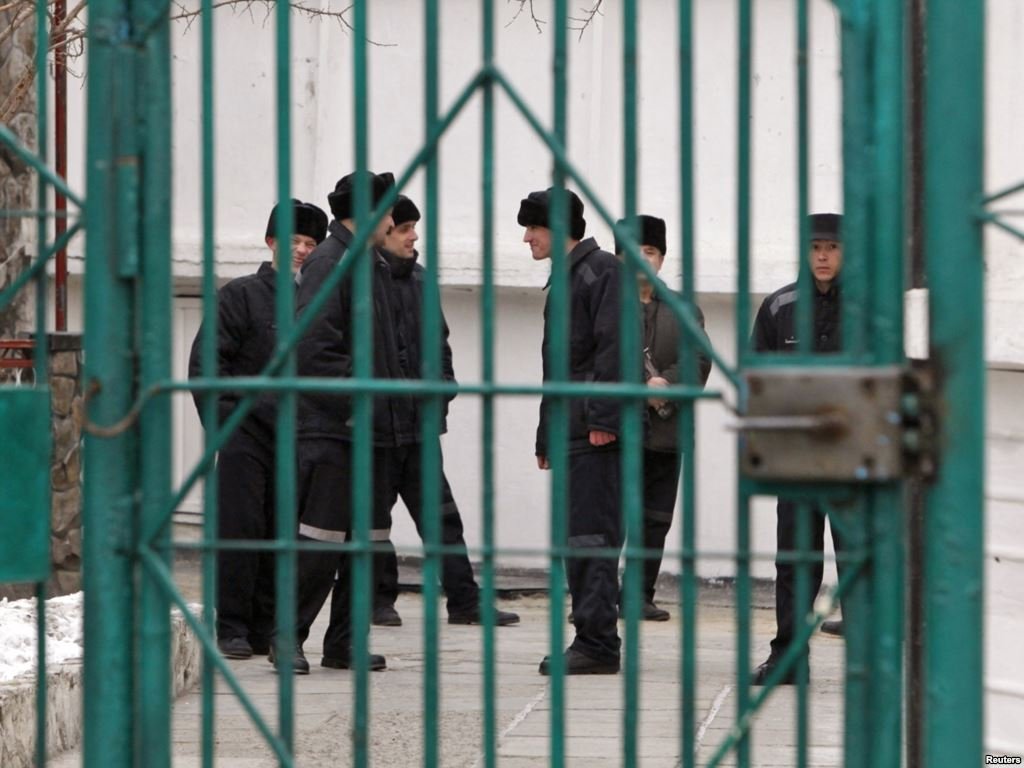
    In Moldova, about 150 thousand lei are spent annually on the maintenance of one prisoner, while only every fifth one works

    The Analyst by The Analyst
    May 1, 2026
    in Moldova
    In Moldova, about 150 thousand lei are spent annually on the maintenance of one prisoner, while only every fifth one works


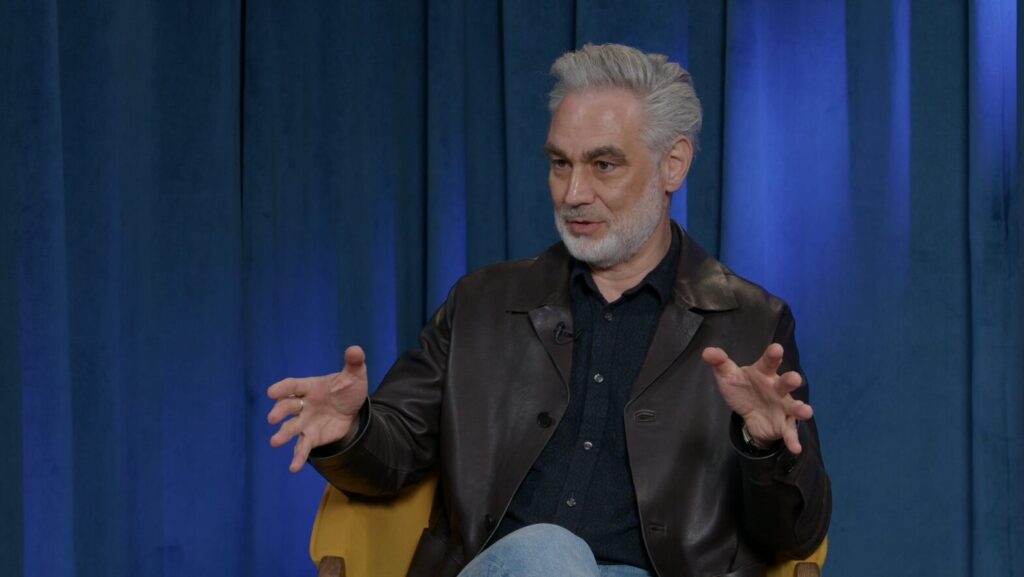
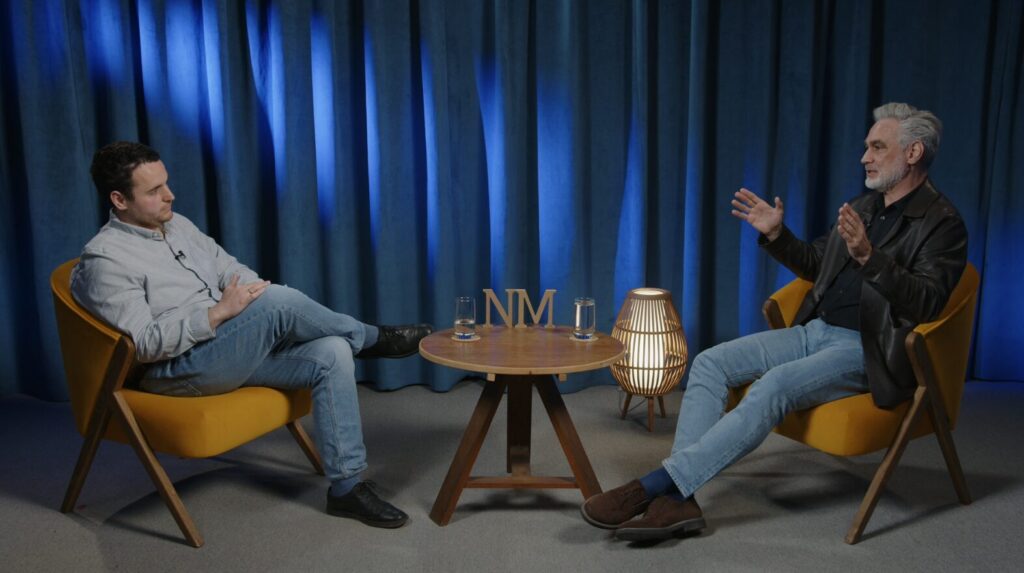
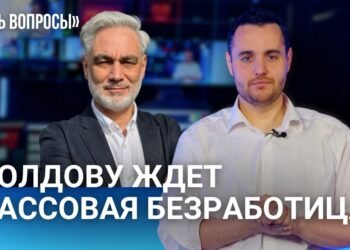
    Artificial intelligence (AI) is developing at a rapid pace. How does business in Moldova use AI in its work? Why is the IT sector experiencing massive layoffs? And why does the higher education system need to be rebuilt? We talked about this with IT entrepreneur Vyacheslav Kunev in the new issue of the project “There are questions” with Nikolai Pakholnitsky.

    READ ALSO

    “Home & Renovation” by iute: a comprehensive solution for one of the most important projects – home renovation

    More than 40 European leaders gathered at the summit in Yerevan. Sandu: “Europe must become stronger”

    “In 1850, 40% of the world’s population was engaged in agriculture, and now it is 2.5%.”

    Today there are apocalyptic predictions that AI will soon replace people, including in the field of physical labor, and we will face 99% unemployment. How realistic are these forecasts?

    I propose to roll back 200 years, even a little more. The fact is that AI is a key technology of the fifth industrial revolution. That is, before that there were four of them. What is the industrial revolution? It occurs when a technology appears that fundamentally changes all socio-economic relations. The first industrial revolution took place in England more than 200 years ago, when the steam engine appeared. Then, within two years, 10 million people lost their jobs in England, and 500 million around the world. That is a rather serious story. So, any new technology provokes unemployment, but then it necessarily creates new jobs, because on the basis of this technology new services arise, new needs that simply did not exist.

    Let me give you a simple example of how the market is changing: in 1850, 40% of the world’s population was employed in agriculture, and now it is 2.5%. But a colossal number of people began to work in production and in the service sector. Artificial intelligence differs in this regard in only one way – changes happen much faster.

    But we have a state. And if suddenly mass unemployment awaits us, then literally the next day the state must somehow stop it.
    “There are more challenges in Moldova, and we just need to spin”

    How would you rate the level of adoption of AI tools by our business?

    You know, there are great examples where people use literally everything (that is possible from AI), but 99%, unfortunately, use it with low efficiency. I think that in Moldova, only dozens of companies use AI very well, most have not yet really started implementing it. There are also some individuals who use it very well, but for now this is more the exception than the rule.

    But I can say that in Moldova, on average, AI is used significantly better than, say, in Europe. It’s worse there than here.

    How can this be explained?

    We need to move and move more. We have more challenges, so we need to spin. I just take my hat off to Moldovan entrepreneurs, looking at what schemes they come up with, how they are launched in different countries, and what requests they come to me with. One of my last requests was from a guy who makes windows throughout Europe in Moldova.

    How does this work?

    He says that he has customers in Switzerland, the Czech Republic… He has teams in different countries, they measure and install, and produce windows here and then send them there. It turns out that this is beneficial. First it went to Romania, then to the whole of Europe.

    Are there any other examples?

    Understand, this is the question. If we take some business not related to IT, what does AI do? It always does only one thing: it improves the efficiency of existing business processes, it does not create anything fundamentally new, it simply increases efficiency. One bank, after I taught a course on artificial intelligence in marketing, terminated a contract with some company that had previously outsourced everything there.

    There are manufacturing companies that make wood and metal products, and they have started using artificial intelligence to develop better designs. But mostly, of course, businesses use AI for marketing, sales and analytics.

    Is the IT sector the leader in the implementation of AI?

    It often happens like this: if an enterprise wants to implement something, it turns to an IT company and asks: “Do it for us.” But now I increasingly see other examples.

    Here’s a recent case. The owner of a business related to cars or tires decided to create a portal for transportation. He turned to his son, a programmer, who estimated the project at €50–60 thousand and said that it would be long and difficult. But my father heard that now with the help of AI you can do a lot yourself. As a result, he sat down and assembled an almost finished product within a week. Yes, with nuances, but the logic, forms, interfaces – everything was there. Despite the fact that he is not a programmer at all. True, he worked almost around the clock, but the result was impressive: all that remained was to finalize the details.

    You have a company that develops websites and applications. How does it affect you when, instead of ordering a product from you or your competitors, people start ordering it themselves? Does this affect your business?

    This has a very interesting effect. First, our IT business must change. If it doesn’t change, a significant part of it will simply disappear. Let’s take the same example I was talking about. What the entrepreneur did works great as a prototype. But in order for the product to work stably for a large number of users, it needs to be improved, and this requires professionals. The difference is that previously it was impossible to do anything at all without specialists: neither test the business logic, nor assemble a prototype. What was needed was knowledge and a team. Now a person can do a huge part of the work himself.

    Accordingly, IT companies must also transform. Previously, consulting looked like this: you come, ask a lot of questions, study something, then offer solutions. Now everything is different: we come to the client, ask what he needs, and start collecting something right on the spot. We show you – this is what suits you, and it’s already starting to work.

    Therefore, many IT companies must turn into service companies that come and do everything right on the spot. And it is clear that all this should be faster and cheaper than we did before.

    Look what’s happening. Google literally two weeks ago announced that 75% of its code is written by AI, they fired 40 thousand programmers. Microsoft, in my opinion, fired 8 thousand, giving severance pay. Now I would not recommend IT to any young person as a cloudless option for life.

    “I know quite a lot of such tragedies”

    Are there such mass layoffs in Moldova?

    Yes, judging by how many people now come to me looking for work, this is already noticeable. Moreover, first of all, we are talking about international companies that had offices here. And sometimes it comes to personal dramas.

    The last 10–15 years have been very comfortable for IT specialists, especially those who worked for foreign companies. For example, I know a person who worked remotely in support: he actually spent 2-3 hours a day, received a very good salary by Moldovan standards and managed to simultaneously attend to personal affairs – family, children, and so on.

    And then the company says: sorry, we are reducing the team due to the introduction of AI. And he finds himself in a new reality: he cannot find the same salary, everywhere they demand full-time for 8 hours, and his life was already built differently – with a flexible schedule and other habits. And he is not ready for new realities. And I know quite a lot of such tragedies. That is, the Moldovan IT business needs to change.

    Unfortunately, Moldova has not yet transitioned to a full-fledged product model: we have few companies that create their own products and sell them on the market. Outsourcing remains the basis, and it is this that today turns out to be the most vulnerable.

    Have your company laid off people?

    No, I just don’t hire new ones. Previously, I had to constantly take on new, young people and train them. Now I want to do more volume with the current number of people.

    Has the number of orders changed?

    We have several large clients that we manage. And, for example, the speed with which we are asked to do something changes. Or this – I used to not take on something because I assumed that I didn’t have enough employees for it; and now I’m taking it, because most likely we can do it. For example, at the peak (of the company), before the advent of AI, I had four designers on my staff, now I have one, or rather one and a half: one plus AI services.

    You know, now the situation in IT is like 2010 and Bitcoin. Now we need to invest in knowledge in artificial intelligence. That is, your investments in AI over the next six months or a year will be as significant as investments in Bitcoin in 2010.
    “Moldova has too many universities for such a country”

    You still teach at the Technical University of Moldova, right? How do you assess the level of Moldovan higher education: how does it correspond to modern market demands?

    The problem here is global, systemic and concerns not only Moldova, but education in general. The system was initially configured for a different economy: a different scale, different needs. Now these conditions have changed, but the system is not completely complete.

    In Moldova, another factor is added: there are few students. Many people don’t want to study here and go abroad. As a result, universities are forced to fight for every applicant in order to simply survive. If a student pays tuition, they try to keep him at any cost.

    For comparison: in some foreign universities they immediately say that about 70% of students will graduate, the rest will drop out. And no one cares: the university has funding, the system works differently. In our country, teachers often try to “reach out” to students, understanding the general situation. Students feel this, and the requirements end up being eroded. This is the first problem.

    The second is the lack of strong practicing teachers. If a person is successful in business and earns good money, he simply has no motivation to go teach for relatively little money. But there are exceptions. For example, in my case, the business generates income, and I may not be involved in operational management. Therefore, I can afford to teach, also because I like it. But there are few such people.

    Of course, we have too many universities for such a country. And I will agree with so many universities only in one case: if we start teaching foreign students en masse. An excellent example is a medical university: it was able to become a large regional university, where people come from almost all over the world. And the rest of our universities should become the same. Then they have a future. As it is, there are fewer and fewer students, and we are losing.

    In Romania, by the way, there is a minimum quota of university students, in my opinion, 5 thousand people from Moldova annually. On the one hand, I really want the education system to develop, but, on the other hand, the system has found itself in very difficult times.

    By the way, what can you say about students of the zoomer generation?

    None. It’s probably bad to say this, but I’ll give you an example of the last group where I taught. I told them about systems thinking and strategy issues. To revive the audience, I asked: where do you see yourself in five years? That is, the question was what? About what country you want to live in, what you want to do, how much you want to earn in five years, and so on. We are talking about a master’s degree, where the average age is 25 years. The answer to my question was silence. The entire group was completely silent. I’m asking if anyone has any ideas. Well, are you planning the basic things? For example, stay in Moldova or leave.

    The answer is nothing. I just pulled them out. Well, okay, let’s think about this topic. How would you like it? That is, I realized that they did not think ahead at all for some time. They live for today. We somehow lived through today and that’s it.

    This is a shortened version of the video interview. Watch the full version on YouTube NewsMaker.md


    Source link

    Related Posts

    “Home & Renovation” by iute: a comprehensive solution for one of the most important projects – home renovation
    Moldova

    “Home & Renovation” by iute: a comprehensive solution for one of the most important projects – home renovation

    May 4, 2026
    More than 40 European leaders gathered at the summit in Yerevan. Sandu: “Europe must become stronger”
    Moldova

    More than 40 European leaders gathered at the summit in Yerevan. Sandu: “Europe must become stronger”

    May 4, 2026
    (VIDEO) Church games of Sandu, spy exchange with the FSB, “hard” ping-pong with Tiraspol / “Showdown” with Ekaterina Dubasova
    Moldova

    (VIDEO) Church games of Sandu, spy exchange with the FSB, “hard” ping-pong with Tiraspol / “Showdown” with Ekaterina Dubasova

    May 4, 2026
    The court issued an arrest warrant for Ilan Shor in the case of illegal party financing: The request was sent to Russia
    Moldova

    The court issued an arrest warrant for Ilan Shor in the case of illegal party financing: The request was sent to Russia

    May 3, 2026
    (VIDEO) Will AI replace us? How will it affect Moldova? / “Have questions” to Vyacheslav Kunev
    Moldova

    (VIDEO) Will AI replace us? How will it affect Moldova? / “Have questions” to Vyacheslav Kunev

    May 3, 2026
    In Moldova, more than 110 million lei will be allocated to compensate excise taxes on diesel fuel for farmers
    Moldova

    In Moldova, more than 110 million lei will be allocated to compensate excise taxes on diesel fuel for farmers

    May 3, 2026
    Next Post
    Folk legends: “Khan-Salyk” cave, where diamonds and bai gold are hidden (video)

    Folk legends: “Khan-Salyk” cave, where diamonds and bai gold are hidden (video)

    POPULAR NEWS

    Justin Bieber fans flood Coachella festival for headlining show – Entertainment

    Justin Bieber fans flood Coachella festival for headlining show – Entertainment

    April 20, 2026

    Over 600 flee homes as Army, NPA clash in Negros Occidental

    April 21, 2026

    Ex-DPWH exec recalls P800-M ‘delivery’ to Zaldy Co 

    April 20, 2026

    Former PM Paluckas suspends party membership, to waive immunity over criminal probe

    April 24, 2026
    Pres. Ali challenges CARICOM to transform into health research powerhouse

    Pres. Ali challenges CARICOM to transform into health research powerhouse

    April 23, 2026

    EDITOR'S PICK

    The keys to the Court’s decision that orders President Petro to refrain from questioning the 2026 elections without evidence

    The keys to the Court’s decision that orders President Petro to refrain from questioning the 2026 elections without evidence

    April 13, 2026
    Marcelo Balcedo’s El Gran Chaparral is auctioned off to cover labor debts of more than US$ 2 million

    Marcelo Balcedo’s El Gran Chaparral is auctioned off to cover labor debts of more than US$ 2 million

    April 17, 2026
    ‘Altan Bers 2026’ Champions Awarded

    ‘Altan Bers 2026’ Champions Awarded

    April 25, 2026
    University student arbitrarily detained during workers’ protest in Caracas

    University student arbitrarily detained during workers’ protest in Caracas

    April 10, 2026

    Recent Posts

    • Drunk-driving crash at east-coast beach town kills teen passenger
    • China denounces Japan, EU over South China Sea
    • Rising number of young people engaged in gang violence reflects systemic failures, says expert
    • More than just PR problem – Editorial

      © 2026 Agentially - Navigating shifting sovereignties and global risk .

      Welcome Back!

      Login to your account below

      Forgotten Password?

      Retrieve your password

      Please enter your username or email address to reset your password.

      Log In
      No Result
      View All Result

        © 2026 Agentially - Navigating shifting sovereignties and global risk .

        This website uses cookies. By continuing to use this website you are giving consent to cookies being used. Visit our Privacy and Cookie Policy.