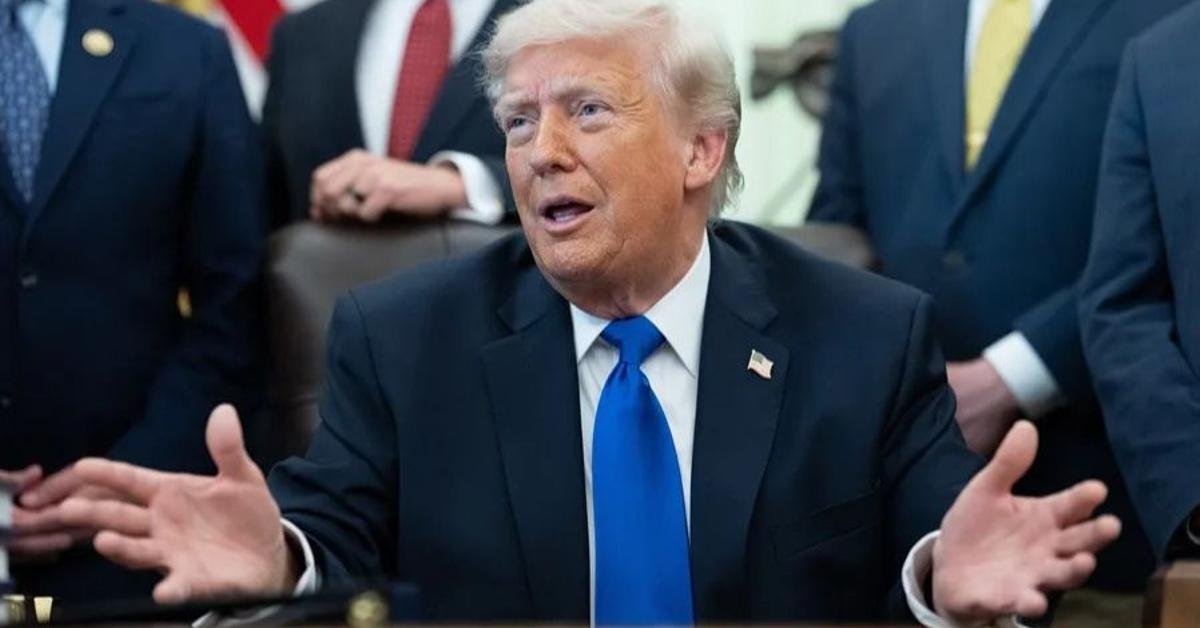
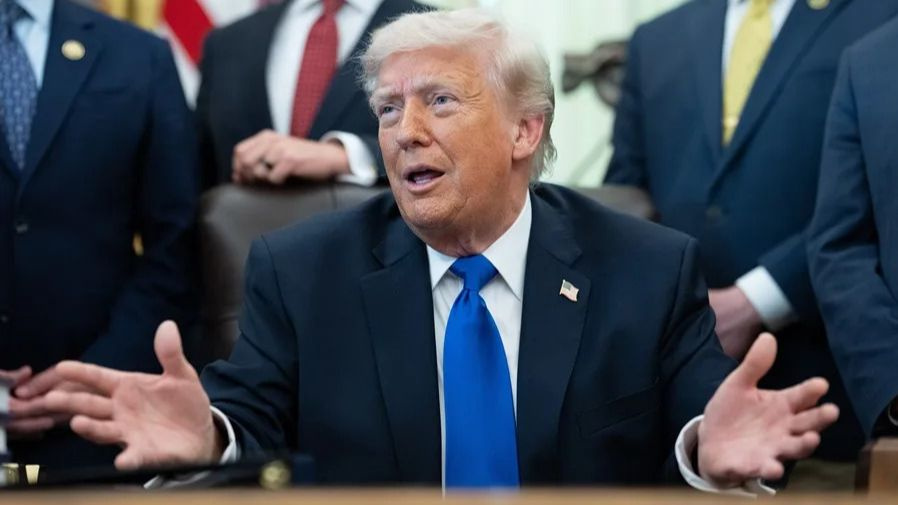
Havana/The President of the United States, Donald Trump, signed this Friday an executive order that expands sanctions against the Cuban Government and authorizes the blocking of assets of officials, state companies, financial entities and people linked to repression, corruption or strategic sectors of the Island’s economy.
The measure, dated May 1, 2026, is based on the national emergency declared by Washington in January of this year, when the White House stated that the actions of the Cuban Government represented a threat to the national security and foreign policy of the United States. With the new order, the US Administration reinforces this legal framework and opens the door to new designations against people and entities related to Havana.
The text establishes that all assets and interests in assets that are in the United States, enter that country or are under the control of American citizens, residents or companies will be blocked. In practice, those sanctioned will not be able to move funds, receive payments, sell assets or carry out transactions within the financial system of that country.
The order directly targets those who operate or have operated in the energy, defense, metals and mining, financial services and security sectors of the Cuban economy. It also allows the Treasury Department, in consultation with the State Department, to add other sectors if it deems necessary.
Among those possibly affected are senior government officials, company directors, members of administrative boards, state agencies and entities controlled by Havana.
The scope of the measure is not limited to visible officials of the regime. Persons or entities that are owned by, controlled by, or act on its behalf, directly or indirectly, may also be sanctioned. The order also includes those who provide financial, material or technological support, or provide goods and services to the Cuban State or to persons already sanctioned.
Among those possibly affected are senior government officials, company directors, members of administrative boards, state agencies and entities controlled by Havana. The document also names people responsible or complicit in serious human rights abuses in Cuba, as well as those involved in acts of corruption, including the misappropriation of public property, the expropriation of private property for personal or political benefit, and bribery.
One of the broadest provisions allows adult family members of people on the list to be sanctioned. The order specifies that it will not be necessary to notify those affected in advance before blocking their assets, to prevent them from transferring assets or withdrawing funds before the measure comes into force.
Entry into the United States is also suspended for those who meet the sanction criteria. The ban will apply to both immigrants and non-immigrants, although the Secretary of State may authorize exceptions when he considers that the admission of a person is in the American national interest.
One of the broadest provisions allows sanctioning adult relatives of people included on the list
The order also contains a message for banks and financial entities outside the United States. The Treasury Department may impose sanctions on foreign institutions that facilitate significant transactions for sanctioned individuals or entities. Measures can range from restrictions on maintaining correspondent accounts in US banks to the total blocking of assets under US jurisdiction.
That point may have an impact beyond American borders. Many international operations go through correspondent banks or use the dollar, so entities from third countries could avoid links with Cuban companies or officials to avoid exposing themselves to sanctions.
The document maintains in force the activities authorized under US regulations on Cuba, including part 515 of the Code of Federal Regulations. This means that certain operations permitted by general or specific licenses will be able to continue, as long as they do not conflict with the new restrictions.
The application of the order will be in the hands of the departments of State – headed by Cuban-American Marco Rubio – and the Treasury, which may issue regulations, guidelines and licenses to put it into practice. The Secretary of the Treasury will also be required to submit periodic reports to Congress on the national emergency related to Cuba.
The White House maintains that the policies and actions of the Cuban Government are “repugnant” to the values of free and democratic societies. The text accuses Havana of maintaining practices that harm the United States and of representing a threat of external origin to the national security and foreign policy of the country.