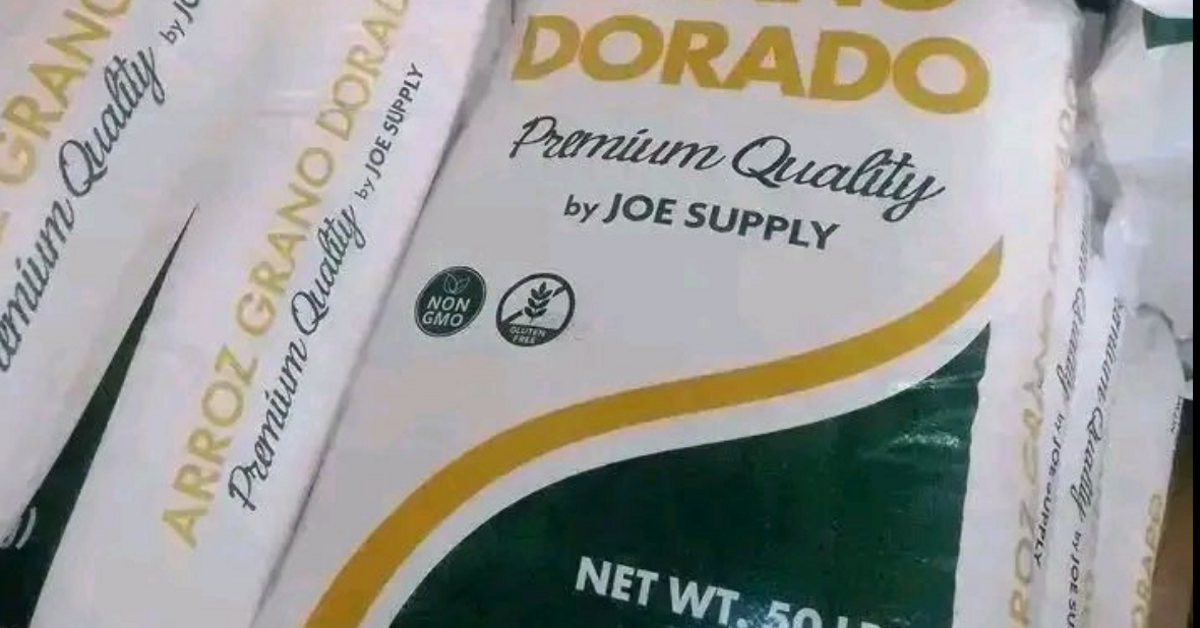
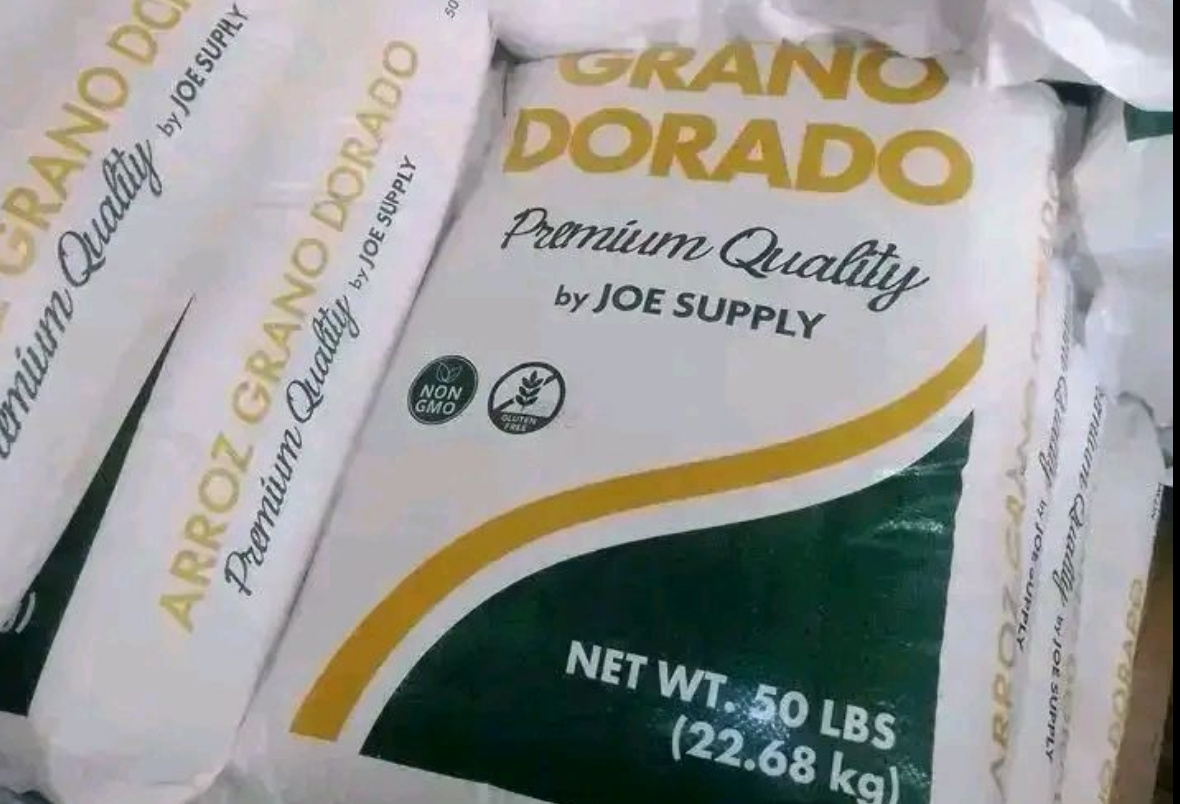
Madrid/The United States has become a significant exporter of rice to Cuba so far this year. According to Peter Bachmann, president of USA Rice, in the first two months of 2026, exports to the Island have quintupled compared to previous stages. The manager has not provided figures, but according to data from US-Cuba Trade, the value is close to five million dollars.
In January, sales amounted to $2,068,529, 5.8% of the total and making rice the fifth best-selling product after chicken in all its forms – which occupies the first three positions – and pork. It also surpassed that barrier in February, when it overtook pork and became the fourth most exported food to the Island – only behind chicken – with a value of 1,926,996 dollars, 6.3% of the total.
To date, the most frequent rice imports into Cuba came from Vietnam, Brazil, Guyana or Colombia. Although it also receives frequent donations of grain from China and Vietnam, and in smaller quantities from other countries, importing is a necessity for the Island. In 2024, the last year for which there is complete data, the regime invested more than 300 million dollars to import 407,000 tons of rice, the amount necessary to compensate for its deficit.
But until now American imports had not been known to be significant. The information has transcended from a event at the Cuban Embassy in Washington, where Paul Johnson, president of the United States Agricultural Coalition for Cuba, was present, demanding that obstacles be released so that trade between both nations increases. Lianys Torres Rivera, chargé d’affaires of the diplomatic headquarters, confirmed the Cuban grain crisis, whose production has fallen by 40% according to the official, creating a high demand for imports.
“Cuban importers generally must pay in cash and in advance, because access to short-term credit is restricted”
Bachmann said that the same market that has opened with rice can expand to other products such as dairy, vegetables and other grains. However, financing continues to be, he warned, an obstacle to this. “Cuban importers generally must pay in cash and in advance, because access to short-term credit is restricted,” he lamented. In his opinion, as long as current conditions remain, exports will continue to be hindered, despite the fact that demand is very high, due to the inability of the island’s countryside and industry to produce.
The managers of the American agricultural industry were very satisfied with the expansion of the private sector on the Island and how this has become the way to sell their products. This idea links with the insistence of US policy to strengthen MSMEs to the detriment of the State. In addition, the sale of fuel to private parties, authorized by the State Department at the beginning of this year, favors bilateral trade, they considered, while continuing to maintain political pressure.
In any case, US exporters urged legal changes to modify the exemptions to bilateral food trade. The embargo laws provide for a series of exceptions for food, medical supplies and automobiles – a license that remains in force although it is not part of humanitarian relief.
The Coalition estimates that there are measures that could be implemented without changing the legislation, through general licenses that allow US investment in private agricultural operations or the use of export programs to support the development of a market in Cuba. “Opening formal lines of credit for Cuban buyers would require authorization from Congress and a clear political signal from the Administration,” Johnson warned.
Dalton Henry, director of Wheat Associates, pointed out the obstacles that remain on the Cuban side, among them the control of wheat milling, which prevents this cereal from being exported to the Island. This, he lamented, has forced Cuban buyers to turn to Europe and Canada, even though they are much further away. Henry argued that if US exporters achieved parity with Caribbean market shares, they could access a wheat market of approximately half a million tons on the Island.