At the turn of the millennium, when a red-green government in Germany decided to withdraw from the Nuclear power the spirit of the times was different, even in Belgium. In 2003 it was also decided there to abandon nuclear energy in the medium term. In Germany, of all people, a bourgeois government (Merkel/Westerwelle), which had initially extended the use of the remaining nuclear reactors, accelerated the phase-out under the influence of the Japanese nuclear disaster in Fukushima.
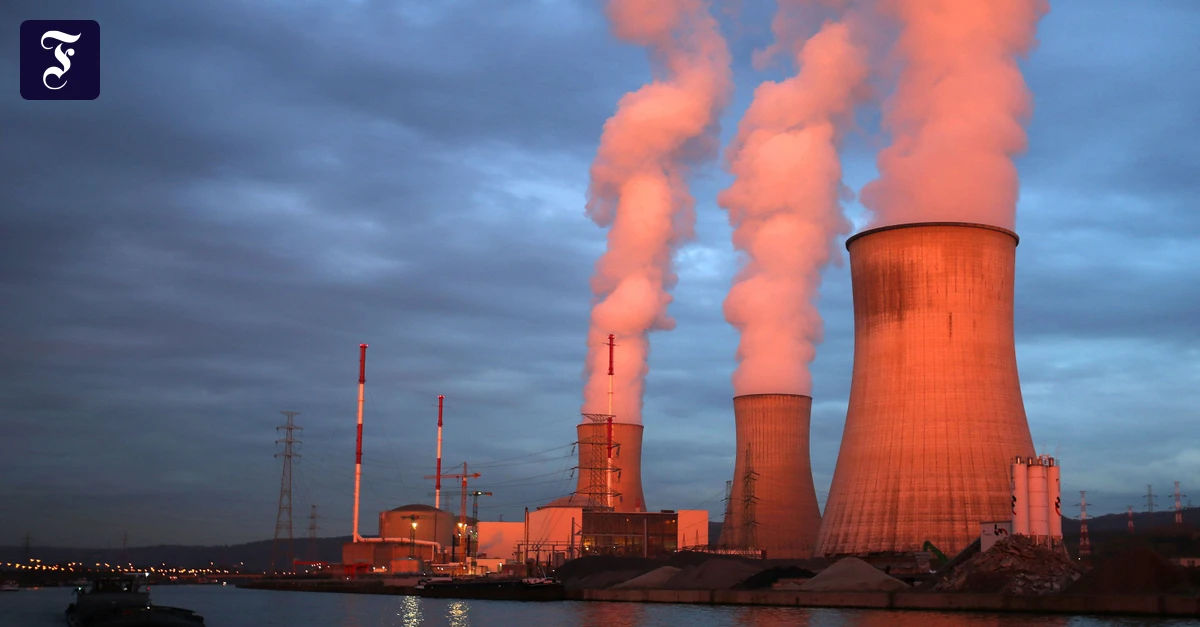
Things were different in Belgium. It went back and forth constantly, with the result that reactors are still working today and several decommissioned ones have at least not yet been completely dismantled.
Spahn made a similar suggestion
This means that not only the last two reactors should be kept online, whose service life had already been significantly extended in 2022 as a result of the energy crisis following Russia’s attack on Ukraine. But at least the option should also be kept open to get the decommissioned reactors ready to be started up again. The Union parliamentary group leader Jens Spahn suggested something like this, thereby stinging the hornet’s nest of the almost dormant fundamental anti-nuclear power plant movement.
Perhaps even more important than the preservation of the facilities in the Belgian approach is that skilled workers and scientists are retained. One of the collateral damages of the nuclear phase-out is that not only is there a lack of low-CO₂-emission energy, but also that this field in which Germany was once a world leader is lying fallow.
Getting there again could be even more difficult and time-consuming than building new power plants if a political majority in favor of the use of nuclear energy emerges here again. And only that would make sense and be responsible in the long term: not an exit from the exit, but a new entry.