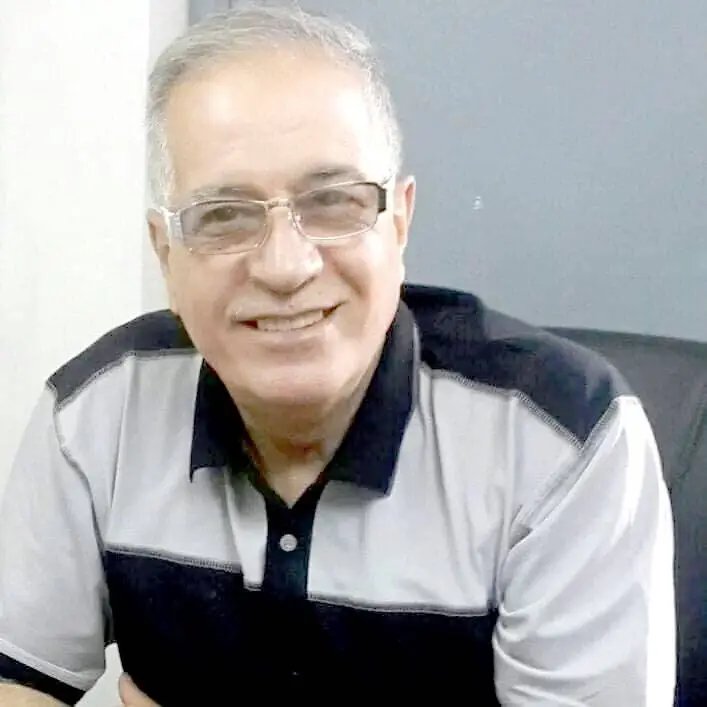

Reviving the legacy of Iraqi singing art – Abdul Karim Ahmed Al-Zaidi
Talking about Iraqi art is a shocking responsibility and it deserves to be considered and made known because it is the result of efforts in which the glow of pain is mixed with the longing of emotion and psychological turmoil in the reality of a complex life environment that touches the conscience of emotion and sadness charged with need and the longing for liberation from the slavery of the soul that burns with a longing to rise to the limits of the meanings of life and attachment to the hope of survival and the presence of humanity in all aspects of luxury..
Perhaps Iraqi art entertains the soul and refreshes the soul, and for this reason songs were a promoter of entertainment and liberation from the misery of oppression and oppression, and the other arts, despite their presence in the Iraqi cultural milieu, would not have had something like the Iraqi song, which now occupies spaces of taste and diversity and targets the broad popular segment for listening, entertainment, calling to prayer, and experiencing the sights of traveling to the infinite.
We cannot put a fixed date for its birth, nor even a specific place, as it occupied the conscience of the character, customs, and traditions of each stage in itself, and thus it became the titles of times and periods. Some of them called it the period of the twenties, the forties, and so on, and others called it songs of the countryside, the city, the mountain, and the marshes. What concerns us here is promoting the features, meanings, and forms of writing, melody, and performance, even if they are uneven and difficult to classify and correct, because its leadership was characterized by creativity, diversification, and longevity. Its sources are the sweetness of the text, the harmony of the word and content, the sophistication and sweetness of the melody, and the interconnectedness of its components to emerge as an integrated event and effect..
Because this presentation is about a topic that requires elaboration and detail, we found it useful to focus on an aspect that saves the recipient from the circles of distraction and arrangement, and to appreciate the meaning of this topic and interpret the song’s journey in a way that befits its history, which has become a heritage that many chose to treat in the sense of the beautiful time..
But what is shameful for many of those interested in and committed to such a heritage is forgetting or neglecting its leaders and pioneers and their entitlement to remembering and making known the genius, struggle and sacrifices of what they made and their right to communicate their humanitarian and artistic message, except for some symbols and titles whose mention rarely stumbles upon some programs and events. This is a shortcoming and a denial of their merit in reviving the heritage and conveying their journey and their entitlement..
Through this proposal, we wanted to alert and recognize the importance of preserving our artistic culture and Iraqi song in particular, allocating daily programs and performances, and employing the available capabilities to remind of it and broadcast it continuously in all media and ways, and prepare a special singing section for it to introduce its pioneers from the makers and authors of its words, melodies, and performers. Perhaps serious thought is given to creating advanced artistic studio halls to redistribute and create it in a way that suits the modernity of machines and technological works in industry and the art of documentation. Let us be fair to such an inherited heritage in preparation and development, and let the journey continue between what it was and what it has become, without allowing time to interrupt and waste the steps of the advancement of such giving.