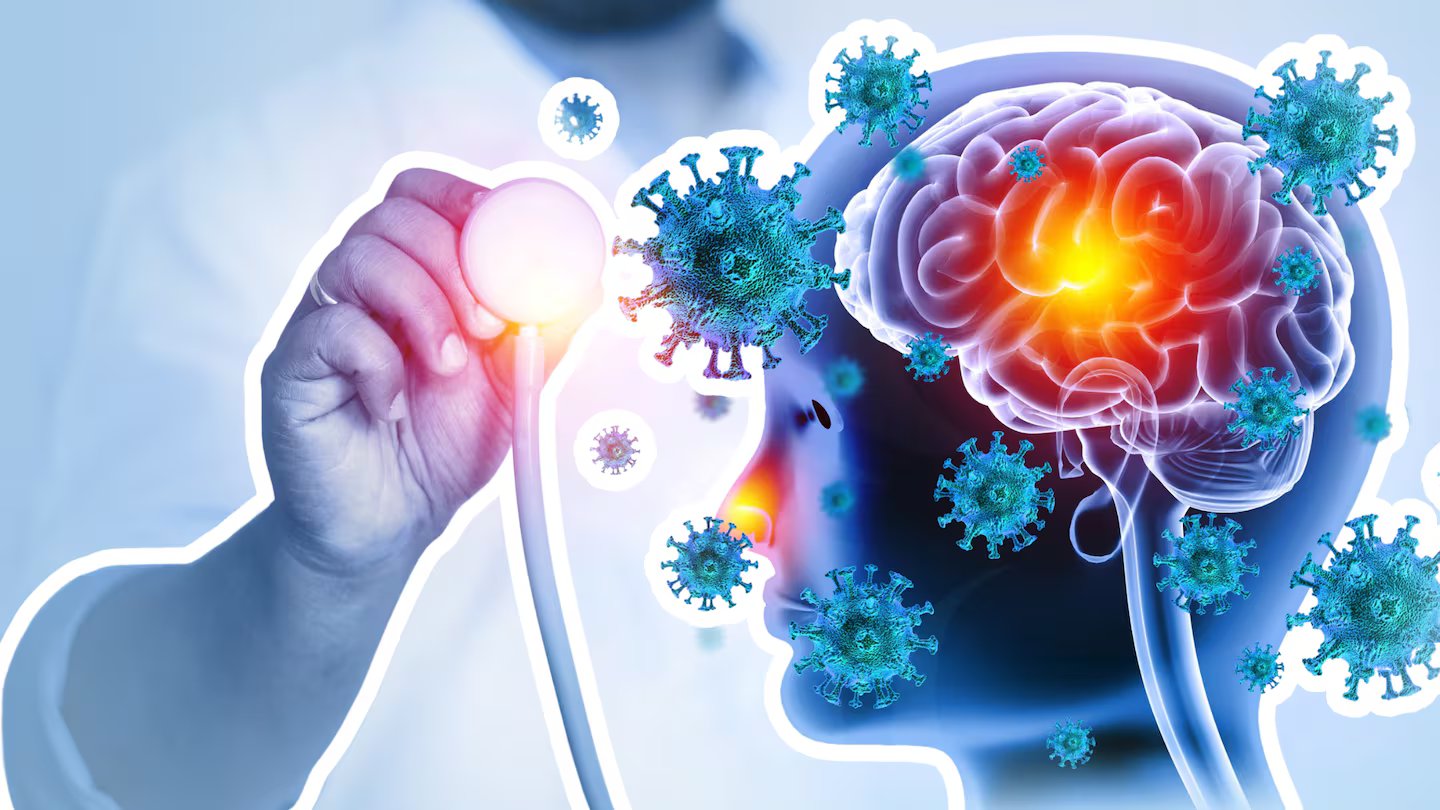
Although it often begins with symptoms that can be confused with a common viral illness, meningitis It is a disease that can escalate in a matter of hours and be life-threatening.
José Moya, general practitioner at the Hikma clinic and who is part of the MediSmart medical network, explains What is it and why is it still a disease that requires diagnosis? and immediate medical intervention.
What you should know:
- It is an inflammation of the membranes that surround the brain and spinal cord.
- It may or may not be infectious.
- Requires immediate medical attention.
The World Health Organization (WHO) calls meningitis inflammation of the tissues that surround the brain and spinal cord. Its origin can be diverse, including infectious and non-infectious causes, and due to its possible severe consequences, it is a medical emergency.
“Meningitis is an inflammation of the meninges. The meninges are the layers that cover and protect the central nervous system.specifically the brain and spinal cord,” Moya explained.
The specialist details that the evolution of inflammation depends largely on the cause that originates it and the speed with which it is acted upon, as well as the patient’s state of health.
“This inflammation can be caused by infections or trauma, most commonly it is due to bacterial, fungal or viral infections and this can greatly affect a person’s life, causing acute symptoms, chronic complications or even losing one’s life due to meningitis,” the doctor explained.
For Moya, viral meningitis is the most common form and generally the least serious.
“The Viral or aseptic meningitis is the most common, caused by viruses and has milder symptoms and self-limited, generally related to herpes simplex, chickenpox or enterovirus infections and usually resolves in days or weeks.
In contrast, the Bacterial meningitis is considered a medical emergency due to its rapid progression.since patients can go from an apparently stable state to a critical one in a few hours.
“This is caused by bacteria. It is the most serious, it usually causes more acute and serious symptoms, which begin or worsen in a few hours. It can cause high fever, intense headache, stiff neck, alterations in mental status. It requires treatment with antibiotics and is a medical emergency, since it can cause permanent neurological consequences.”
For its part, the Fungal meningitis mainly affects people with weakened immune systemsbecause its evolution is slow.
“It generally affects immunocompromised patients, vulnerable to rare infections. It is very difficult to diagnose because it evolves very slowlythe symptoms can be confused and require treatment with antifungals.”
According to Moya, in Costa Rica pneumococcus was one of the historical causes of its spread, but its incidence has decreased considerably with the application of vaccination schedules.
Signs that should not be underestimated
“The most frequent symptoms are high fever, severe headache that does not go away easily with medication with which their headaches usually improve, neck stiffness, nausea and vomiting, altered mental status, or hypersensitivity to light; especially if more than 3 of the mentioned symptoms occur,” the doctor explained.
The simultaneous presence of several of these symptoms is reason for urgent consultation. Additionally, in more severe cases, seizures, extreme drowsiness, confusion, or skin lesions may occur.
Meanwhile, in minors, the disease can develop differently, with irritability, constant crying or refusal to feed, which requires special attention from caregivers.
“What seems like a simple flu can become a deadly medical emergency in a matter of hours because meningitis remains one of the most dangerous infections of the central nervous system,” explained the specialist.
How is it transmitted and what tests can diagnose it?
Transmission of infectious meningitis occurs mainly through respiratory droplets that are released when coughing or sneezing. This mechanism facilitates its spread, especially in closed spaces or with a high concentration of people.
“The diagnosis requires a medical evaluation, generally a lumbar puncture is performed to study the fluid contained within the meninges and studies are complemented with a blood count, blood cultures, and inflammatory markers,” Moya explained.
Pregnant women face particular risks, as the infection can affect both mother and fetus, causing premature birth, neonatal infections or, in extreme cases, pregnancy loss.
Therefore, blood tests and other complementary tests are performed to identify the causative agent.
Can meningitis occur on more than one occasion?
“Yes, especially in unvaccinated, immunosuppressed people or with high exposure to causative microorganisms. People must understand that emergency treatment is required, mainly if the cause is bacterial, since every hour, every day without treatment the risk of complications or sequelae increases.”
What vaccines help prevent it?
The main vaccines that help us prevent infection with the causative agents are three: The pneumococcus vaccine. The flu vaccine. The vaccine against meningococcus.
Costa Rica uses a comprehensive approach to prevent meningitis, based on four main measures. This is the vaccination against pneumococcus since 2009, this is the most important. Added to this are epidemiological surveillance, control of contacts with patients and the application of preventive treatments to limit transmission.
The Ministry of Health, in its latest epidemiological bulletin, indicated that during 2026 they have been preliminarily identified 35 cases of meningitis in the country.
Regarding the highest rates of meningitis, the canton of Monteverdein the province of Puntarenas, tops the list with a 20.6. In second place are the cantons of Orotina and Bagaces, both with a rate of 3.9.
Regarding suspected cases of meningitis by sex and age, the authorities indicate that:
- He 54.2% occur in men from 19 to 35 years old.
- He 45.7% in women from 16 to 35 years old.
Likewise, 28.5% correspond to children under one year old, evidencing a greater concentration in this age group.
Finally, health education plays a key role by promoting knowledge about the disease and early seeking medical attention when symptoms appear.