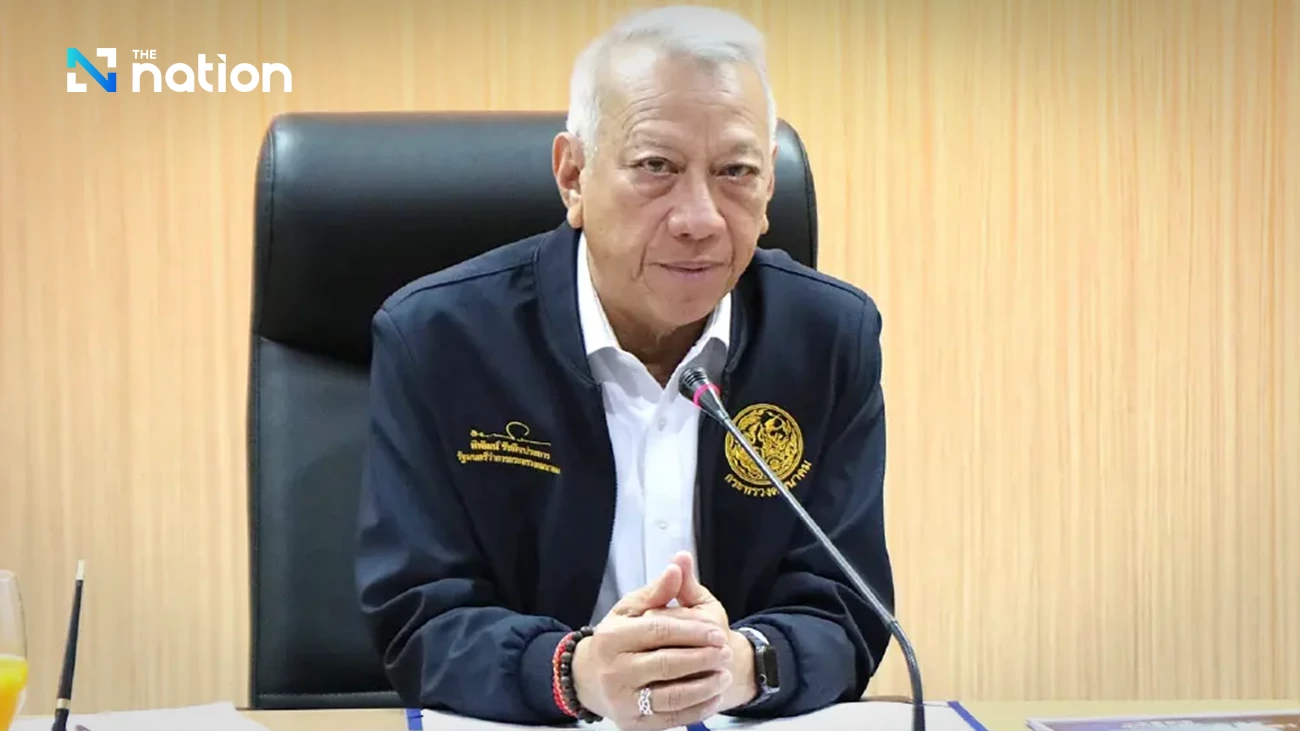
“I will explain the advantages, disadvantages and study findings, including what occupations could emerge when more ports are developed, and what jobs could be created when ships anchor in the area,” Phiphat said.
He added that new opportunities would not have to be limited to large companies, as local firms could also take part. He said further study was needed to determine which occupations should be reserved for local people so that communities in Ranong and Chumphon could benefit directly.
Regarding opposition to the project, Phiphat said he was not concerned, describing resistance as normal for any large-scale development. He called on all sides to consider the national interest, rather than the interests of any particular group.
Responding to comments that the National Economic and Social Development Council had not studied the project, Phiphat said this was a separate issue. He said previous studies had focused on the Thai Canal, which had been examined over many years in four versions, from the Kra Isthmus proposal to the Thai Canal concept.
He stressed that the government would proceed with the Land Bridge project, which he said would not divide Thailand into two parts or create a separation between the North and the South. He said concerns about splitting the country had previously been raised from a security perspective.