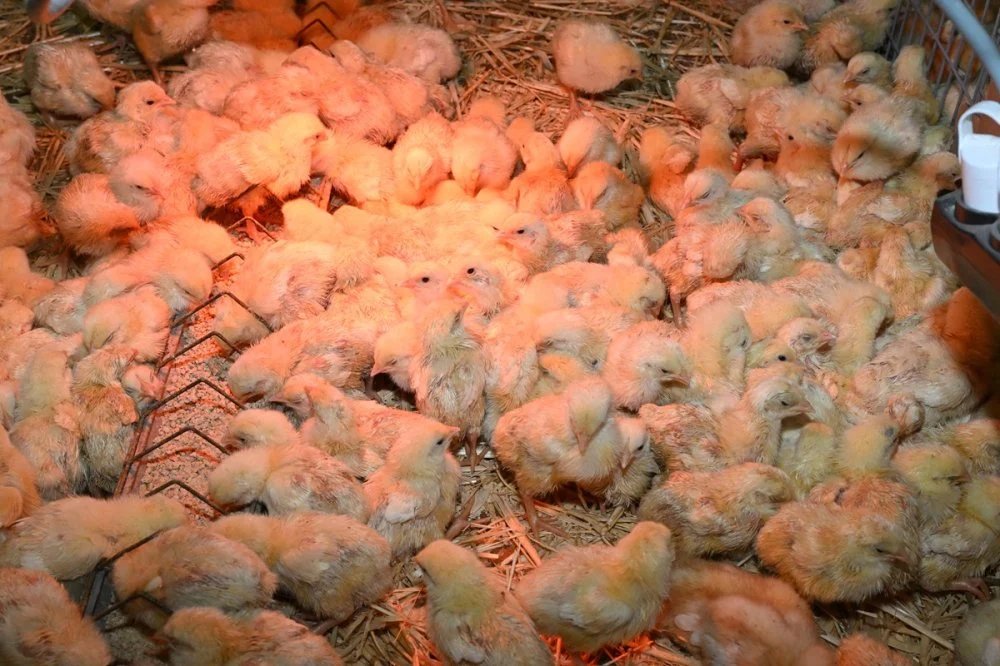
THE poultry sector Moroccan crosses a new zone of turbulence. While the sector plays a central role in supplying the national market with animal proteinsmany small breeders today say they are facing an equation that has become untenable: production costs rising sharply, against sales prices trending downward.
In the field, professionals speak of a critical situation which is gradually transforming a once profitable activity into a source of daily losses. The most vulnerable now fear having to stop their activity.
Mohamed Abboudpresident of the National Association of Broiler Breeders, contacted by Assahra Al Maghribiaexplains that the sector is experiencing an unprecedented imbalance. The prices of compound feeds, chicks of a day, of fuel and several inputs have increased sharply in recent months, while chicken marketing prices have fallen on the national market. The manager cites a particularly telling indicator: the chick would now reach almost 10 dirhams per unit, while the selling price of chicken would not exceed 13 dirhams per kilogram in certain circuits. A situation considered untenable for small farms. At the Casablanca wholesale market, turkey prices would be between 13.50 and 14 dirhams, while “mothers” would move between 7 and 7.50 dirhams, with dozens of trucks offered daily, accentuating the pressure on prices.

Another cause for concern: the continued rise in the cost ofanimal feed. Farmers report an increase of around 15 cents per kilogram for poultry feed from February 2026, followed by a further increase of around 10 cents in April. For professionals, these successive adjustments weigh heavily on margins, already weakened by low sales prices.
Representatives of small breeders affirm that the effects of this crisis are already visible, with the exit of several operators from the market and gradual cessations of activity. Beyond individual losses, they fear increased concentration of the sector in the hands of a limited number of players capable of absorbing financial shocks. A development which, according to them, could ultimately weaken national food sovereignty.
Faced with this situation, professionals are calling on public authorities to intervene quickly to restore economic balance in the sector. Among the measures called for are better control of input prices, regulation of the role of intermediaries and targeted support mechanisms for small breeders. For them, the issue goes beyond the mere survival of farms: it also concerns the stability of a strategic sector for the consumption of Moroccan households.