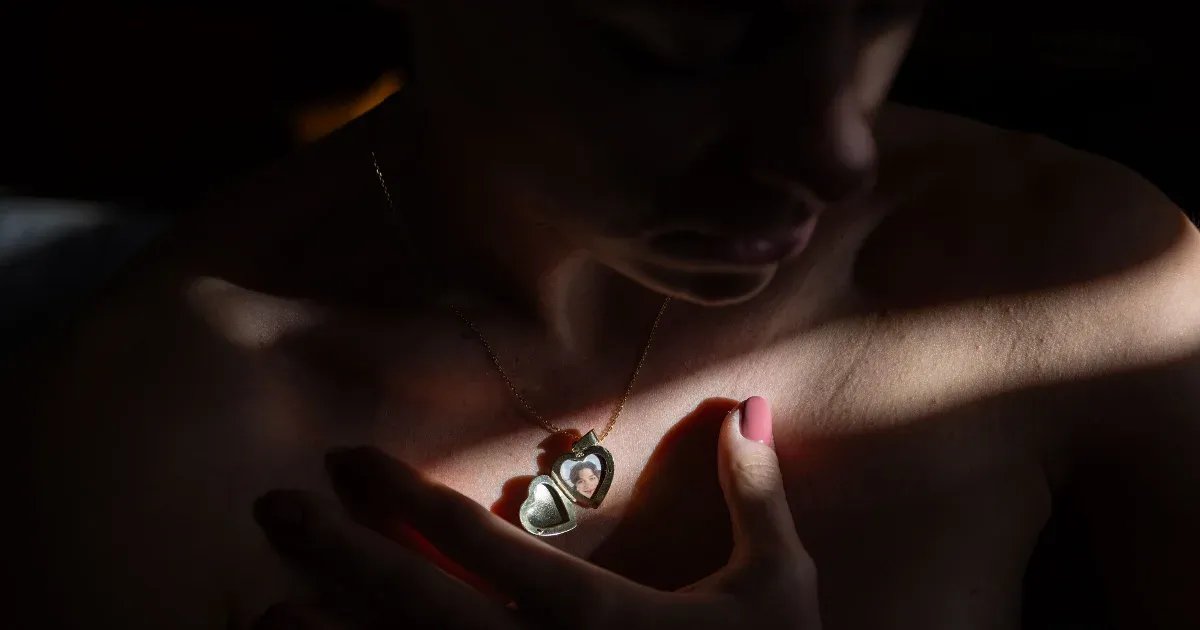
In the spring of 2024, I lost my eighteen-year-old brother, Bálint, as a result of an accident. His death tore not only the family’s life apart, but also that of an entire community of young people: his classmates and friends, who were on the threshold of a stage of life to which the promise of the future should belong, not the experience of loss. This is their story, our story.
Almost exactly two years to the day since I last saw him. I hugged him last. It’s strange how precisely we can recall the moment when we see someone for the last time, how fatally imprinted every little gesture and movement is. Perhaps because when a tragedy occurs, we search our memories to find that moment. The last one.
I went over to my parent’s house for a shirt. My brother greeted me with a huge hug, the kind only he could give. I took him to the gym and asked him about school and further education. Compared to boyish, one-word answers, the teenager was surprisingly talkative: he told stories about friends I’d never met, and I shared with him the idea I’d had for a while to capture his senior year, one of the most defining periods of our lives. He responded positively: before he got out of the car, we agreed that he would introduce me to a couple of friends the following week and we would start work. That’s how we parted.
Three days later came the call that changed everything.
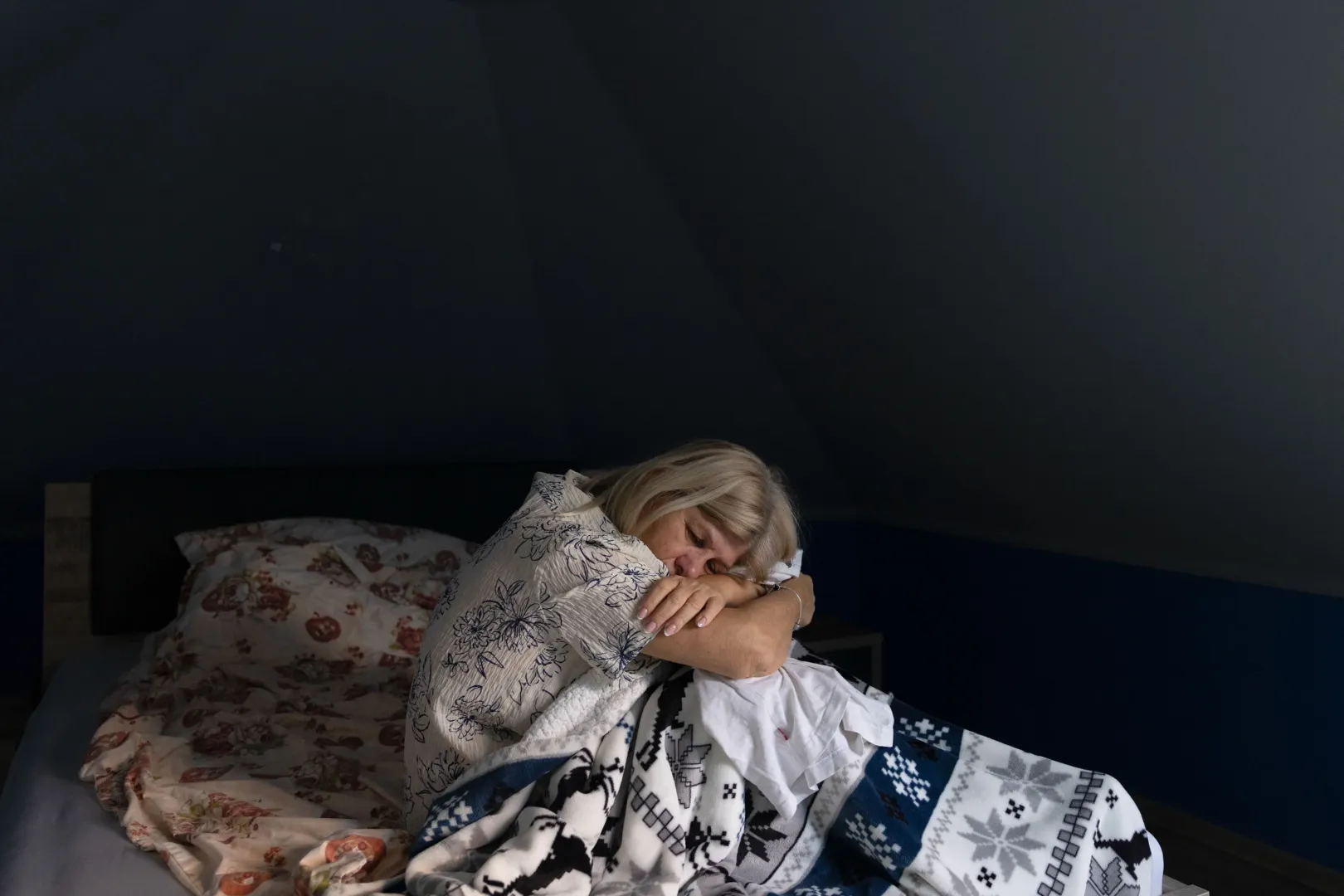
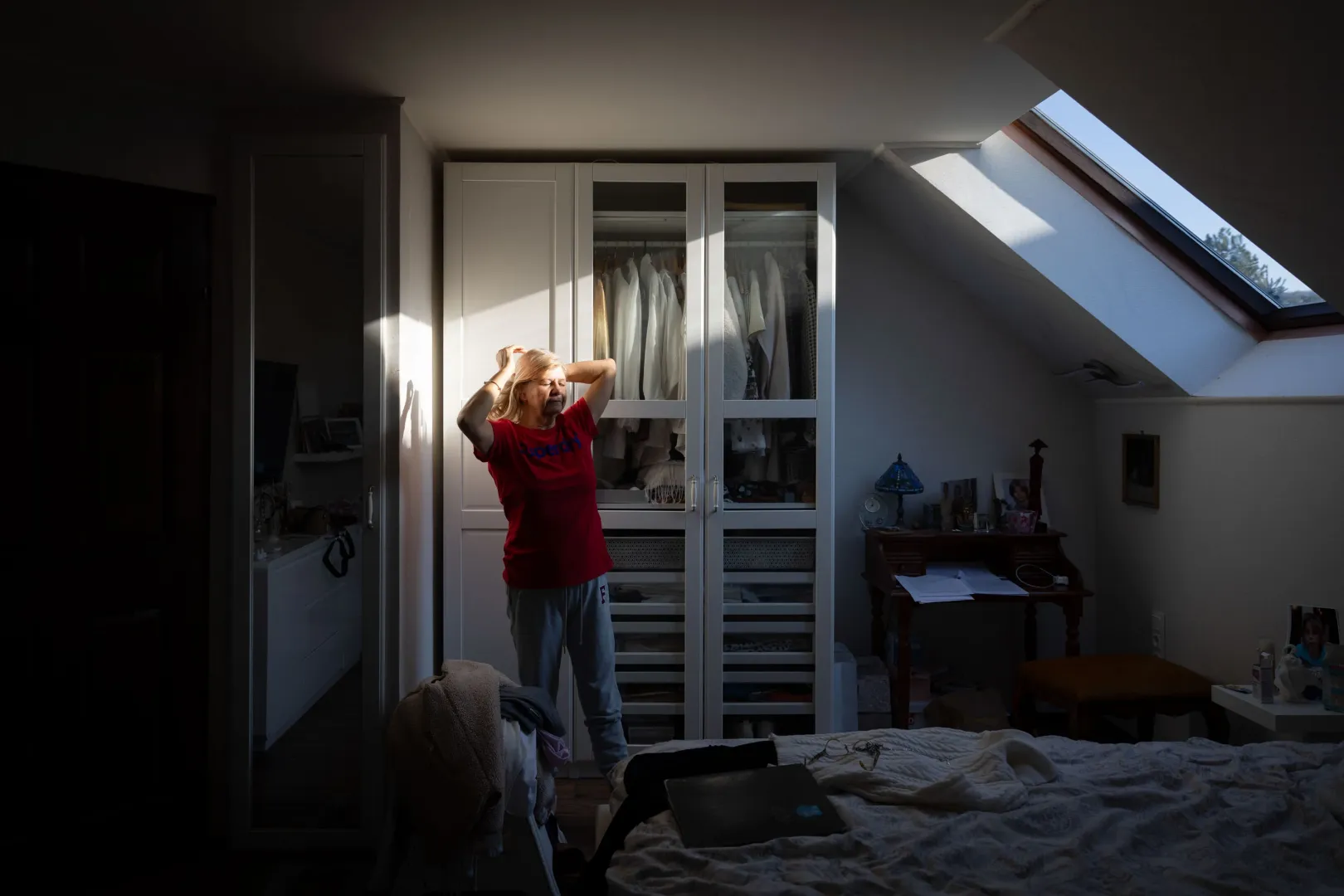
My mother, Hilda, in one of Bálint’s favorite shirts. He entered his room for the first time nine months after the tragedy
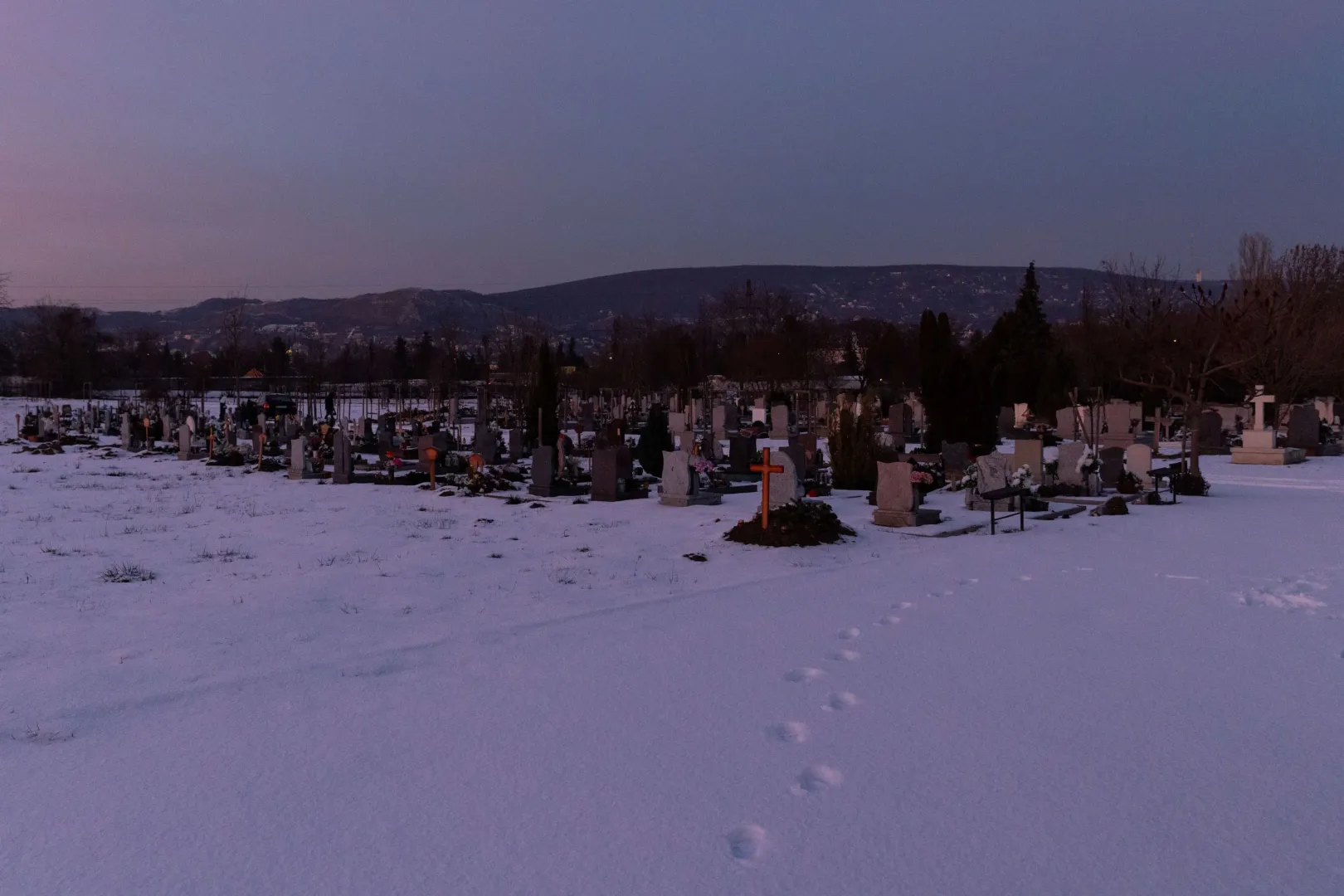
As far as I can accurately recall the last minutes we spent together, the period after the accident flows together. Floating in nothingness, in which entire days are lost and a series of mechanical actions follow each other. Weeks pass as I watch our family’s daily life as an outside observer, as if someone else were controlling my body. Shopping. To eat. To choose a coffin. Pay the bills. To fight the grave next to the almond tree.
A sudden tragedy uproots you from the life you knew until then. We don’t just have to mourn our loved ones, but also ourselves, our lives – at least as we imagined them until then. Every morning we have to make ourselves aware again and again that what happened is not a nightmare from which we will wake up.
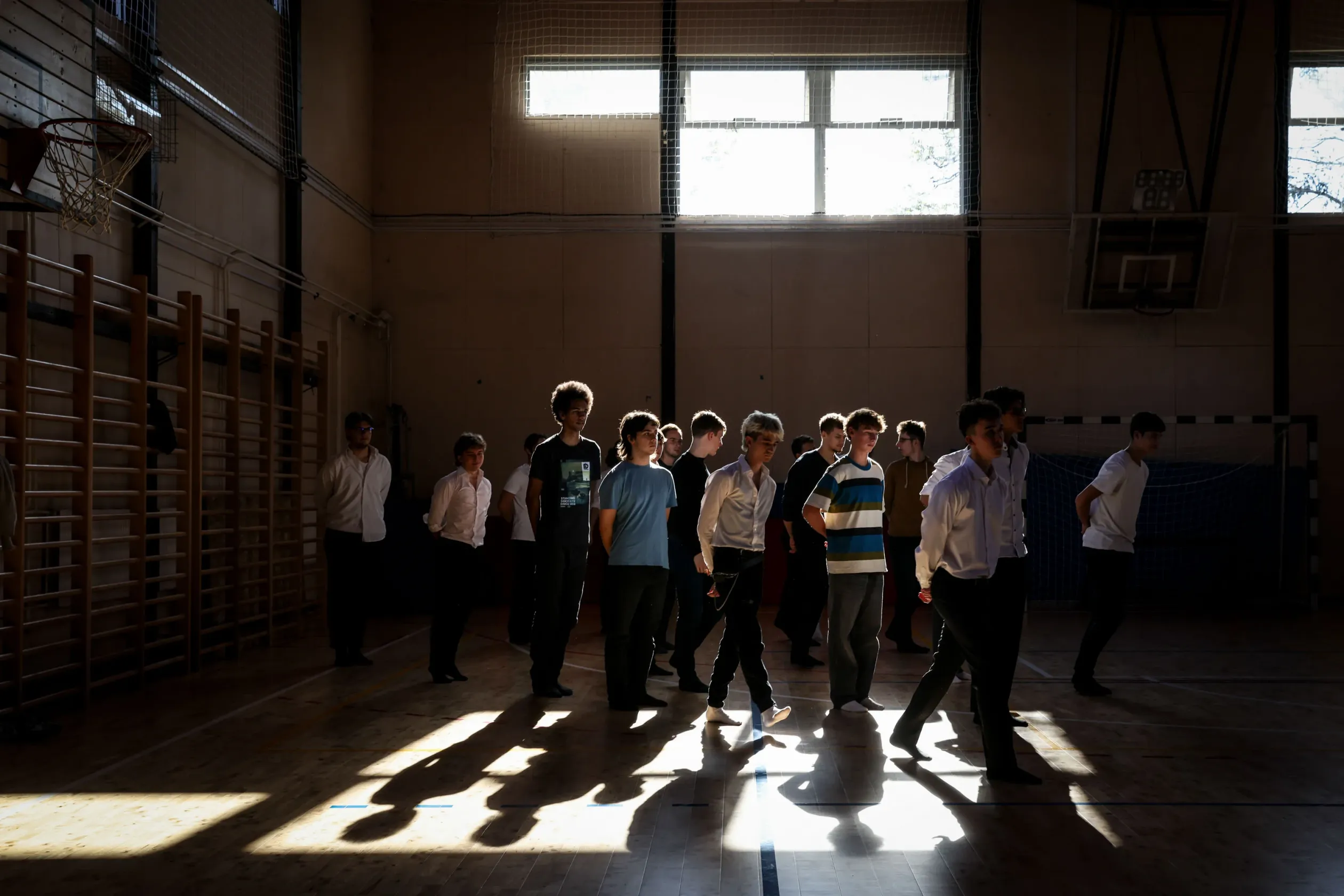
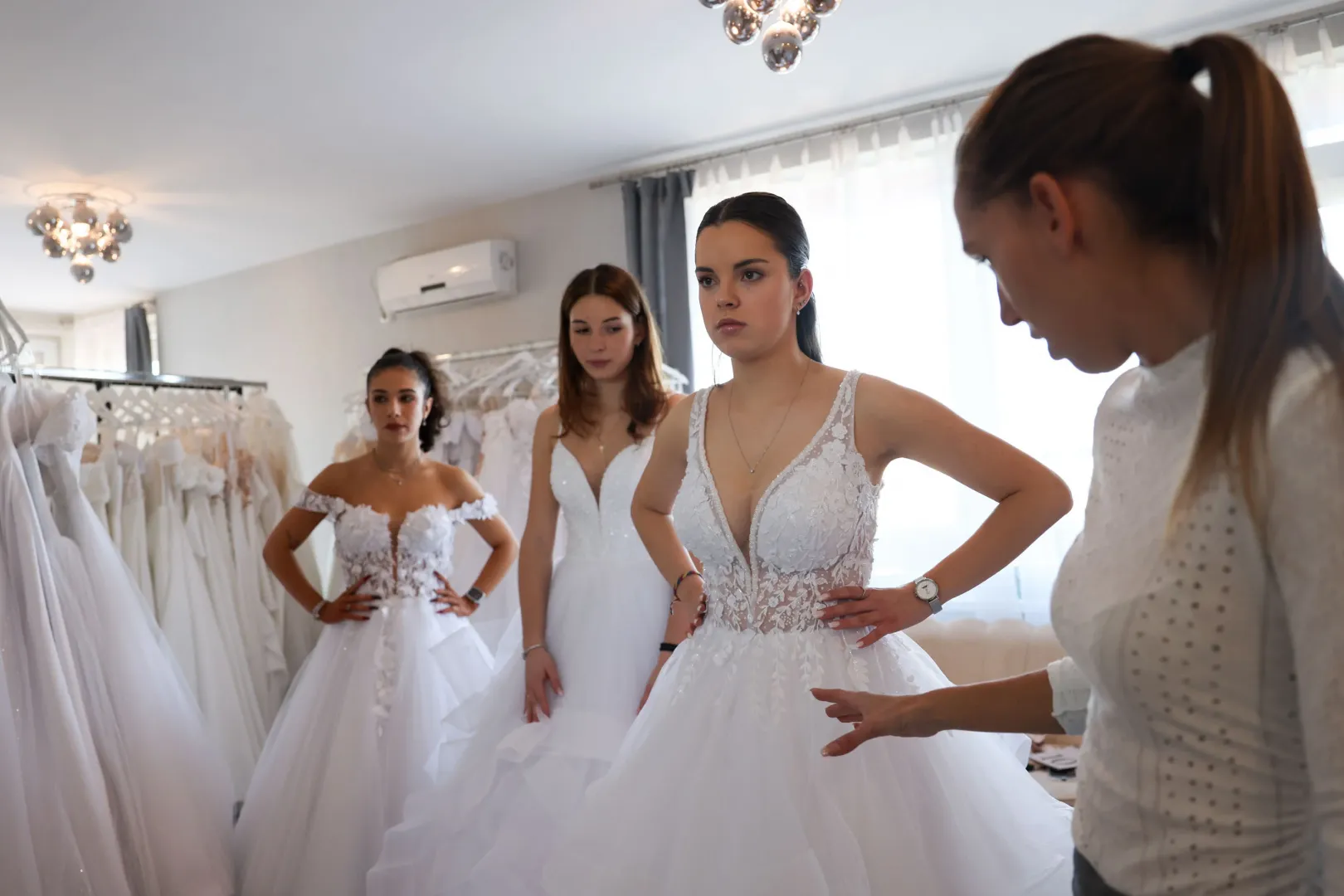
The class practices waltz steps in preparation for prom
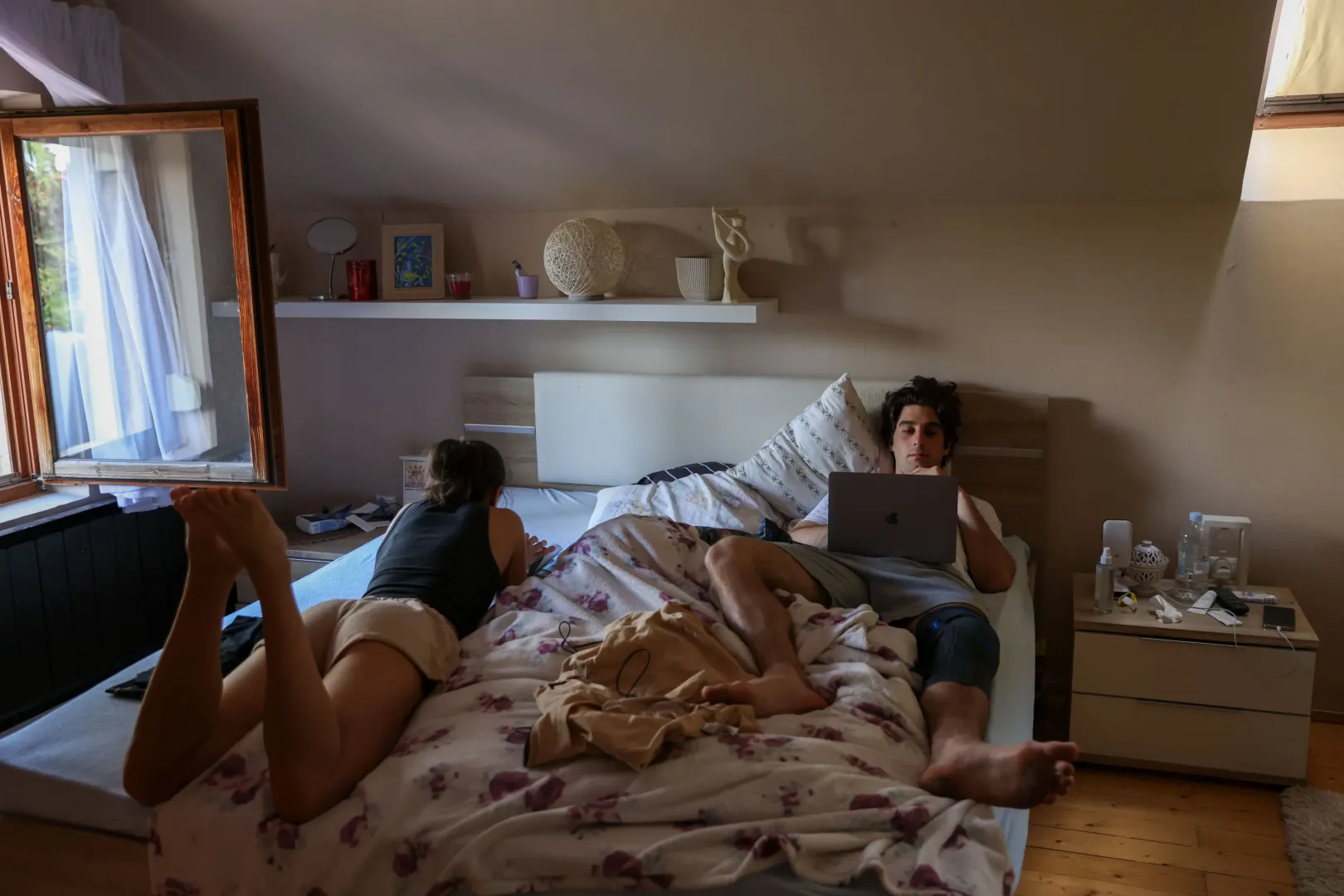
My sister, Laura, and my older brother, Csongor, in their parents’ house a few weeks after what happened
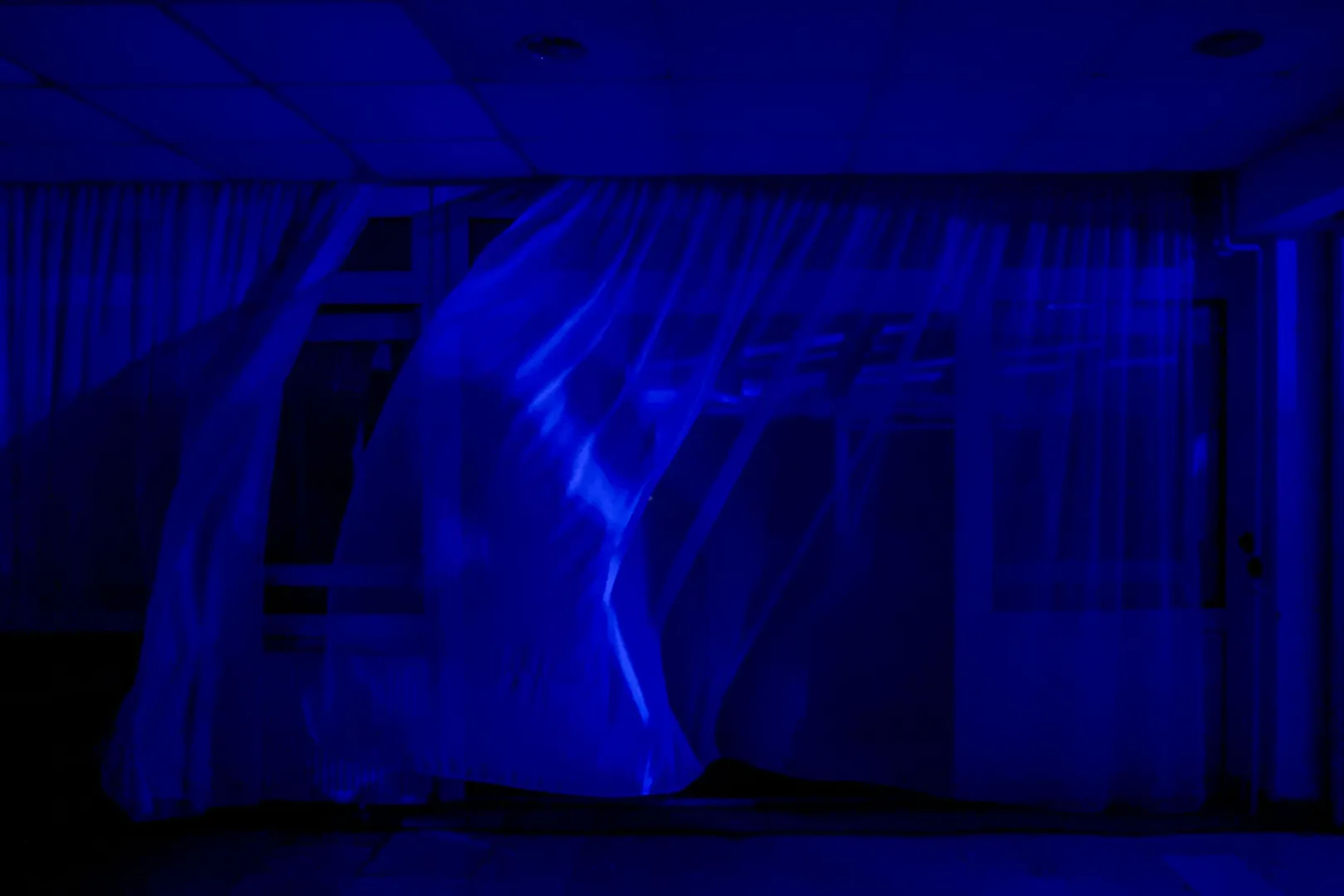
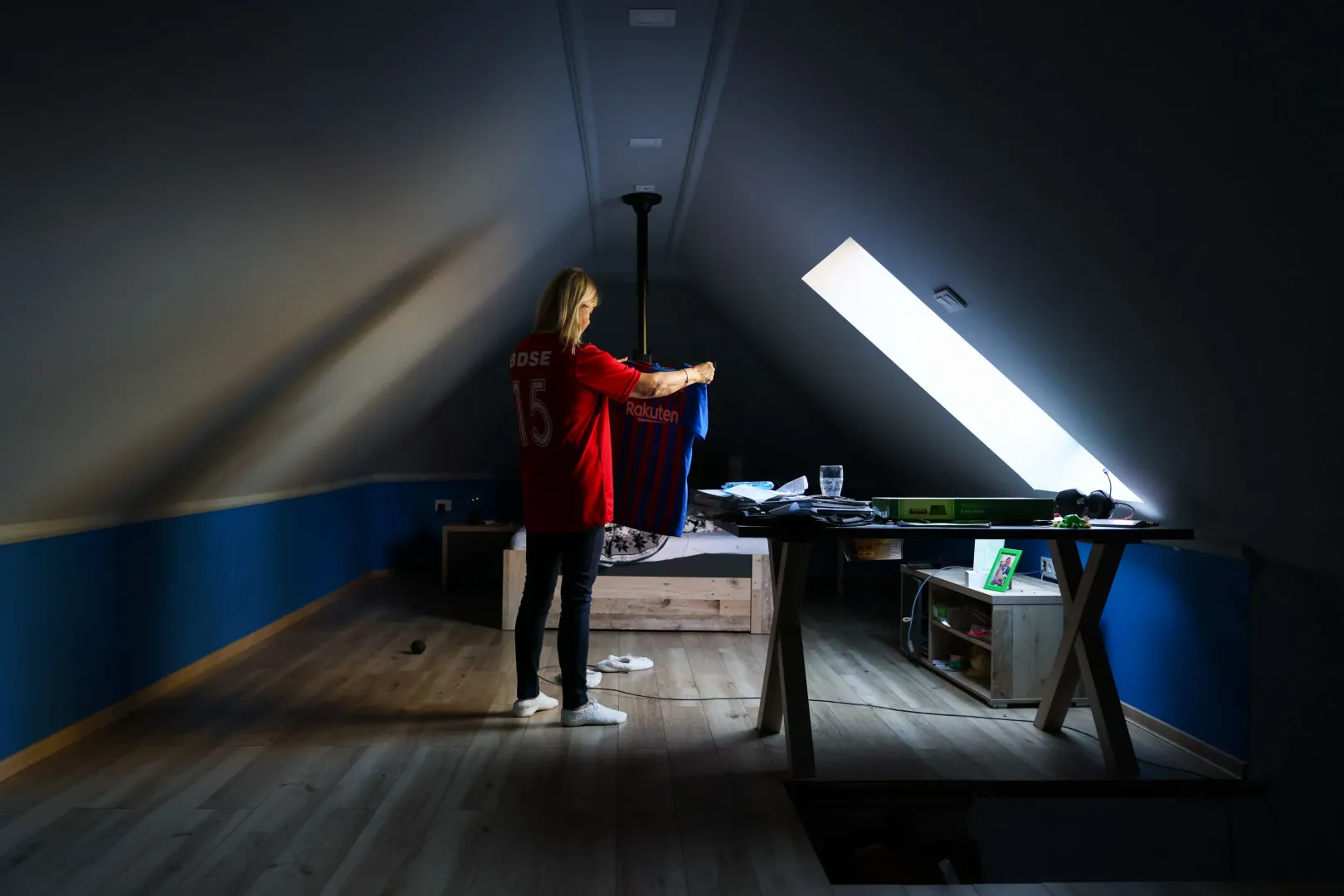
In my mother Bálint’s room
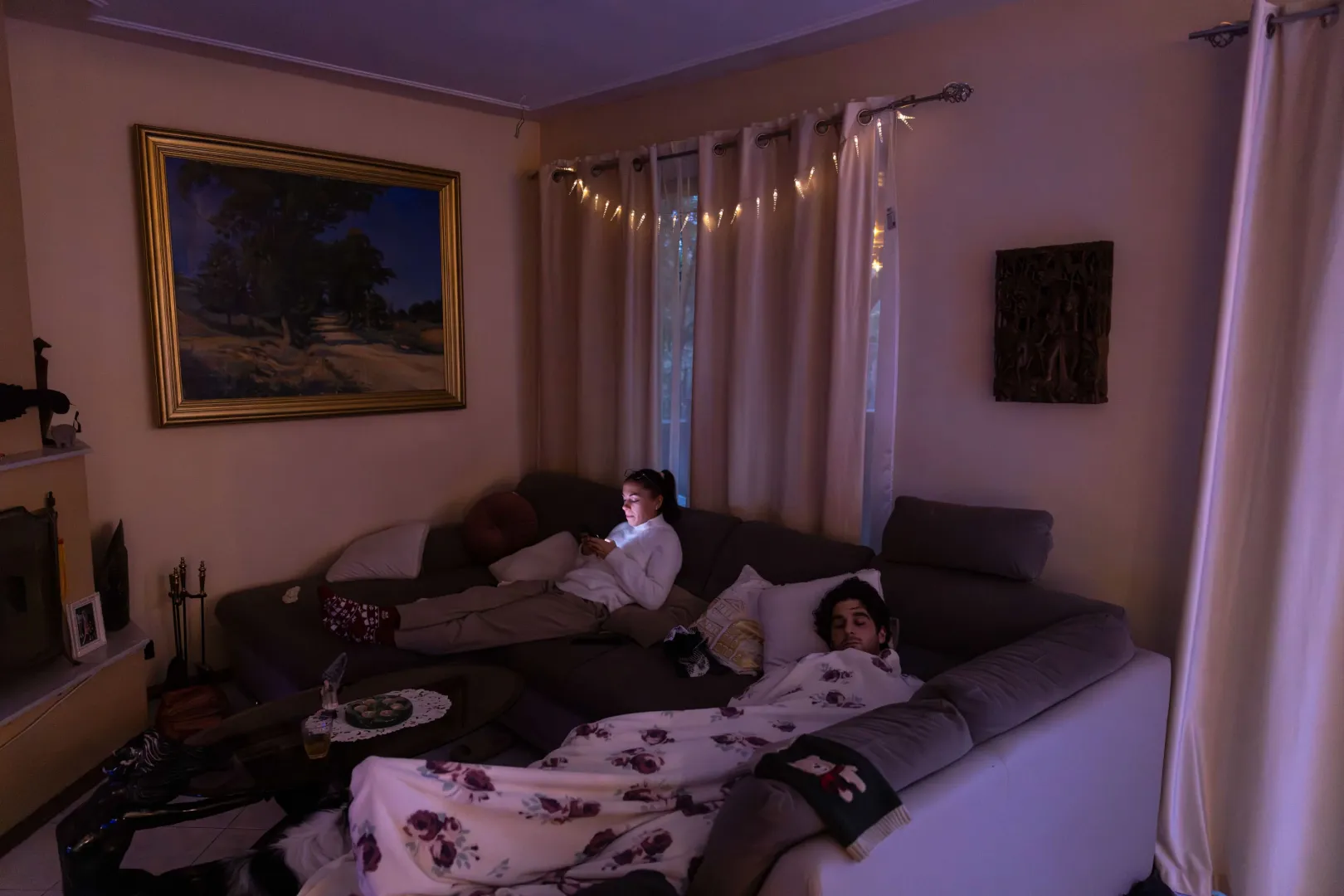
Two years have passed since then. When I’m at home, I often imagine him stomping downstairs with loud footsteps and ruffling my hair as a thank you. I see my older brother and I sprawled on the sofa watching a Barça match, mother brings the third batch of popcorn, and I hear Bálint’s delicious laughter filling the living room. In front of me is how he educates my sister and me about current politics or just playing devil’s advocate during a family conversation. I fill the void with these images, but the house is unrelentingly quiet. Only photographs of him look back at me from here and there, and the chessboard given to me by my father has been untouched ever since.
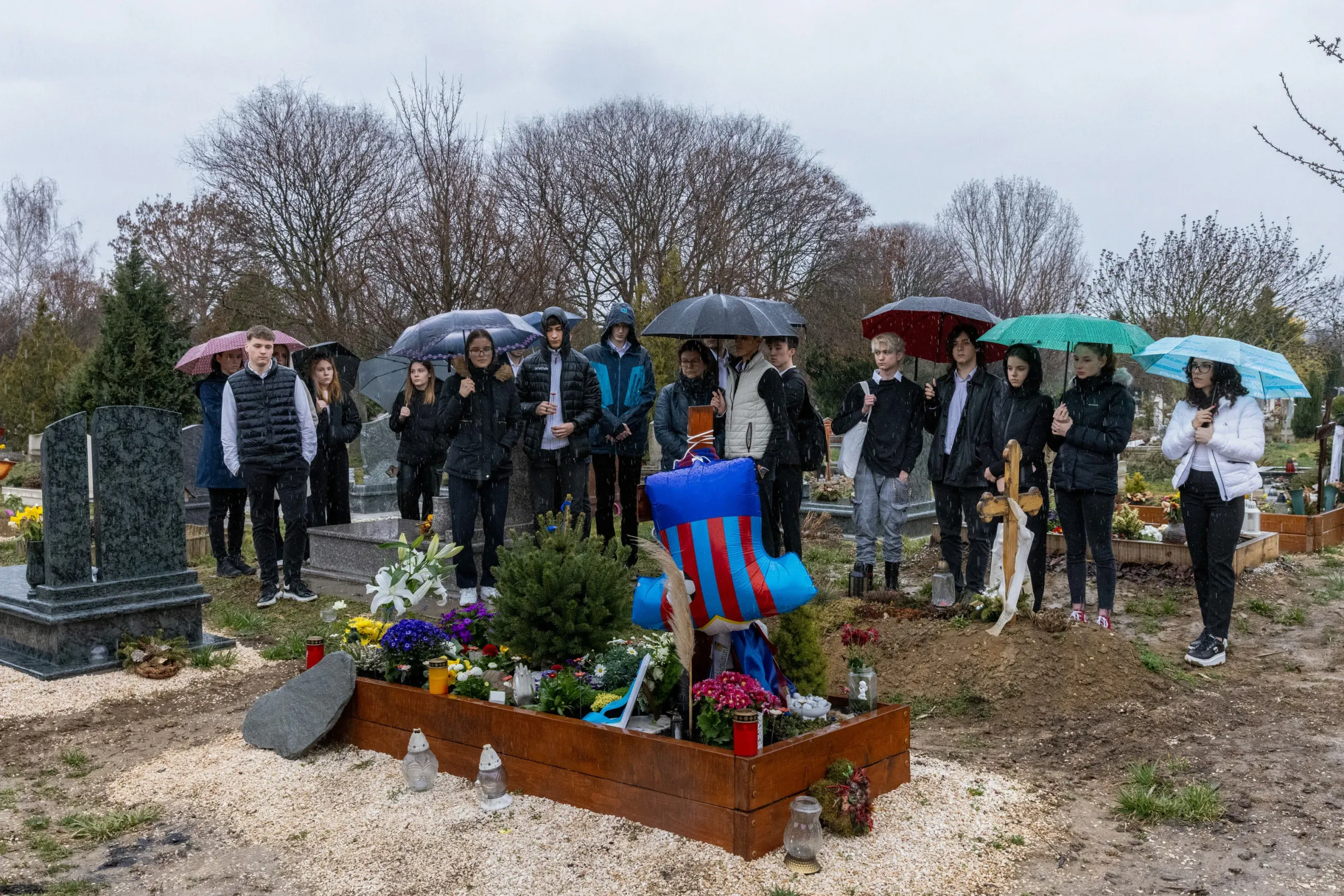
The class commemorates Bálint at his grave on the one-year anniversary of the accident
Losing a close friend is difficult at any stage of life, but perhaps this is especially true at the threshold of adulthood, when we are full of excited anticipation, the feeling of “life ahead of me”. What happens to those young people, whose daily routine would be determined by further education and planning the beginning of an independent life, but in this unclouded happy period, the passing experienced up close bursts unbidden?
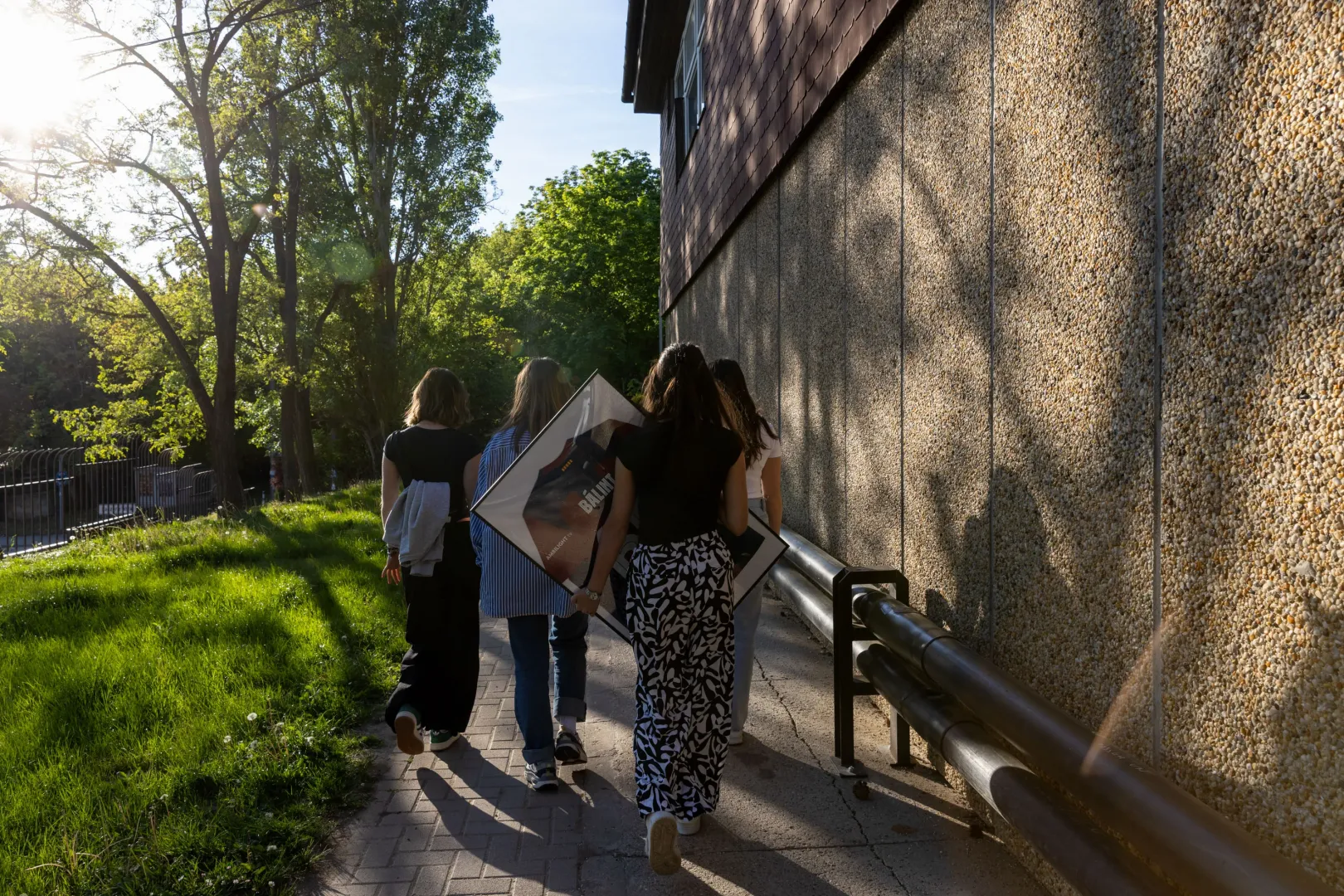
Bálint and I were fifteen years apart. When I started photographing the life and grief processing of the class, I didn’t know their friends. But as I spent more and more time with them, I not only got closer to them, but also got to know my younger brother better through them. I learned how central a figure he was in the life of the school community, how he stood up for himself and others, how sensitive he was to the emotions of his peers, and how he made a deep impression not only on his friends, but also on his wider environment.
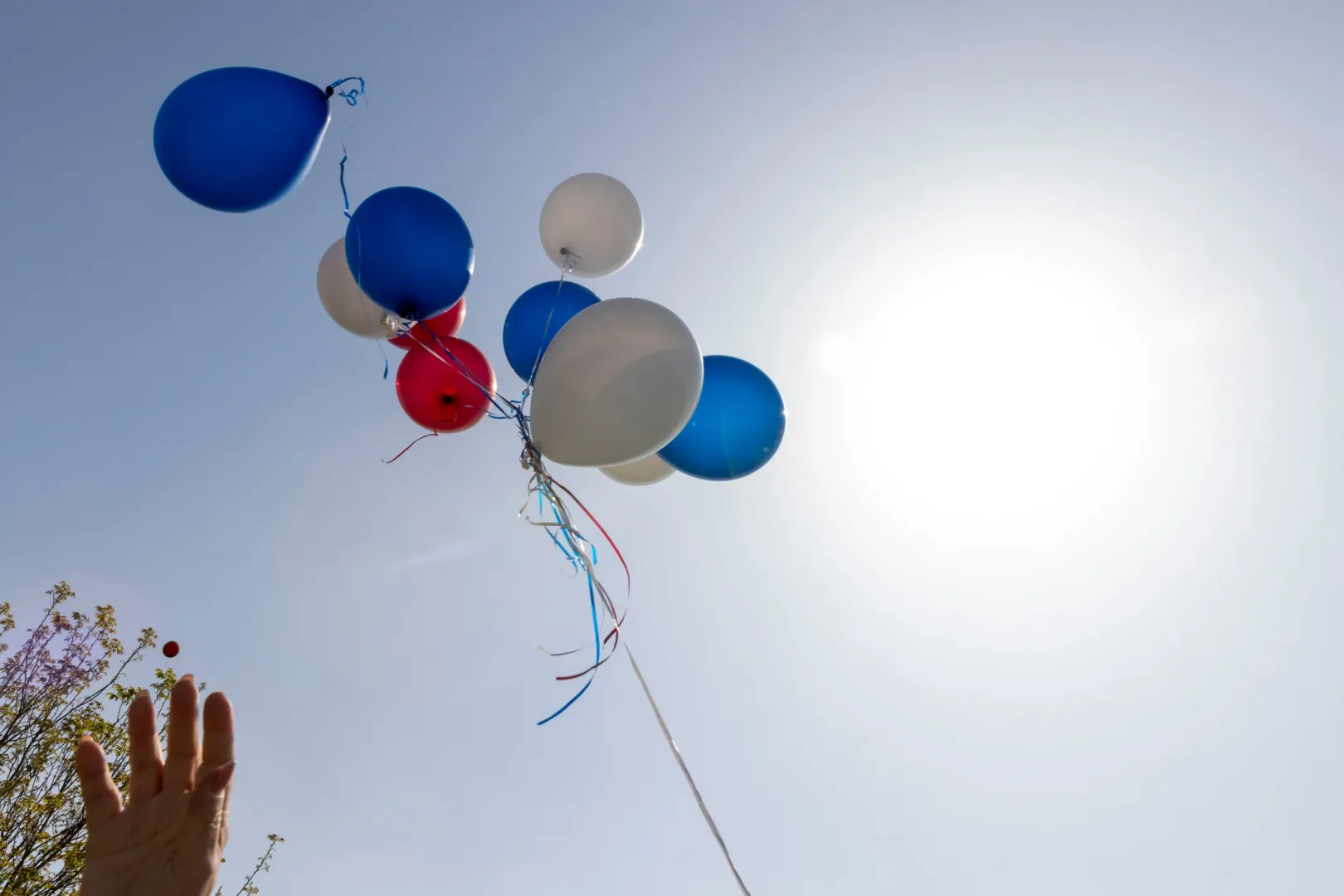
It is an uplifting feeling to experience how bravely a group of young people entering adulthood are able to live and accept grief, how they try to turn around the irreversible. In various ways – through objects, gestures and joint commitments – they carried on Bálint’s memory and tried to keep alive the desires and plans that he could no longer realize.
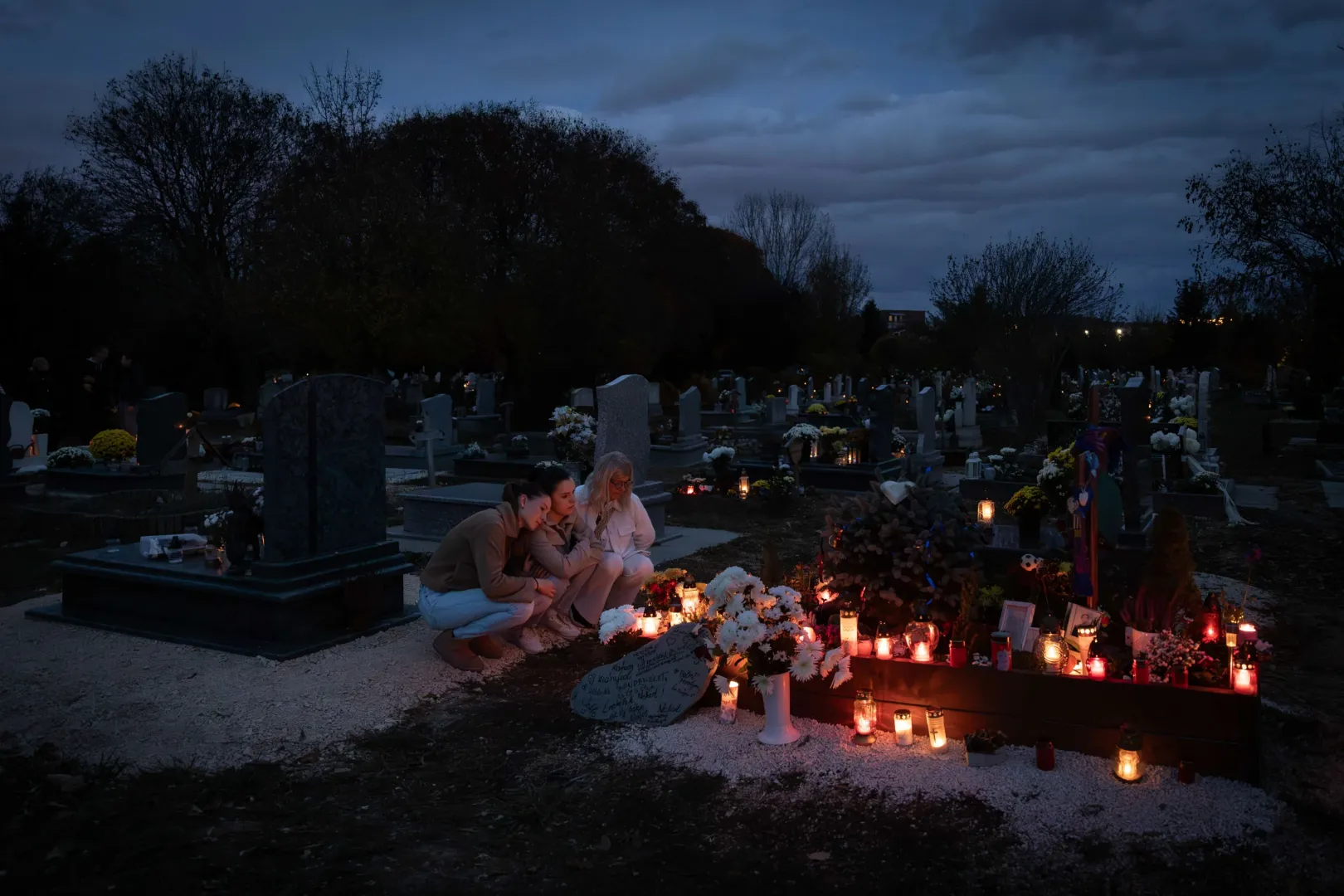
Bálint’s love, Janka (in the middle), a friend, Jana, and my mother on All Saints’ Day
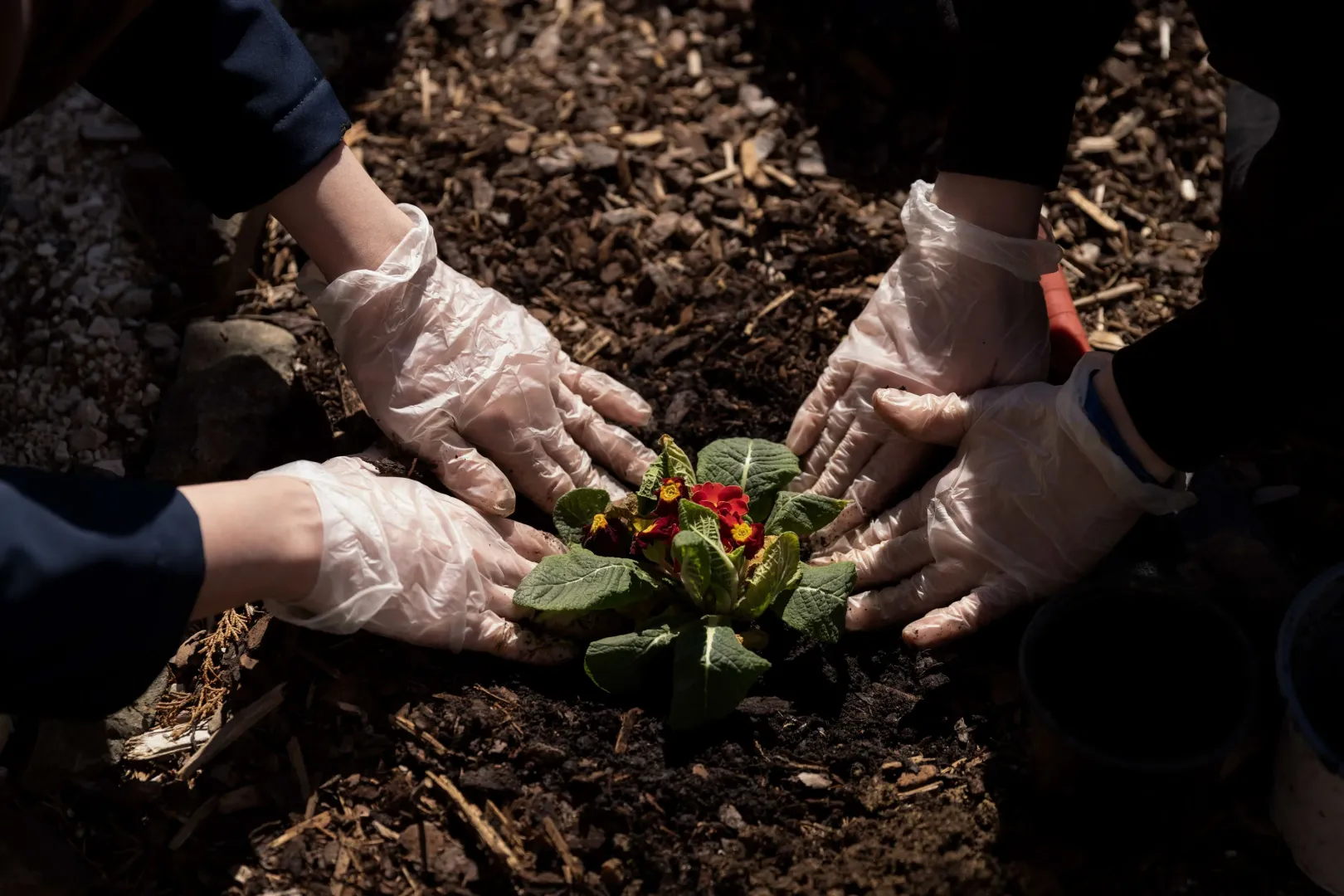
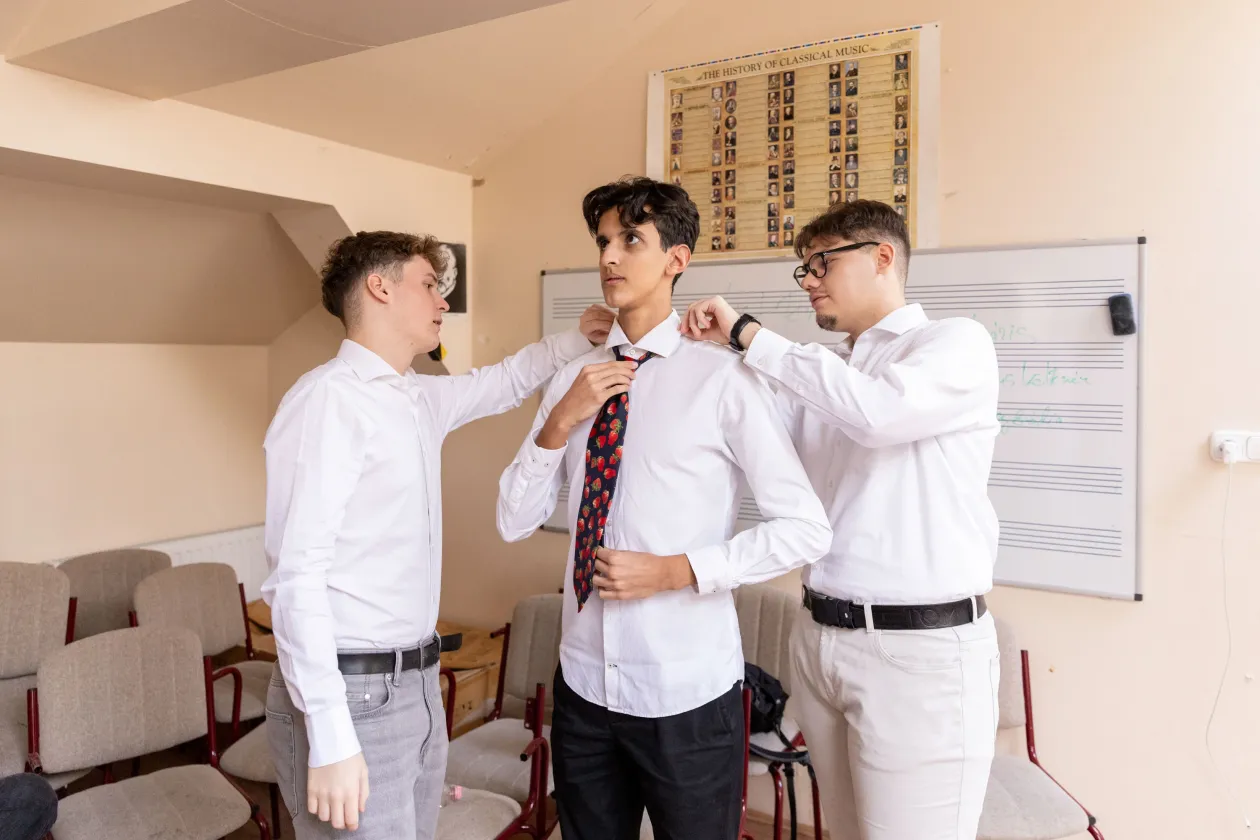
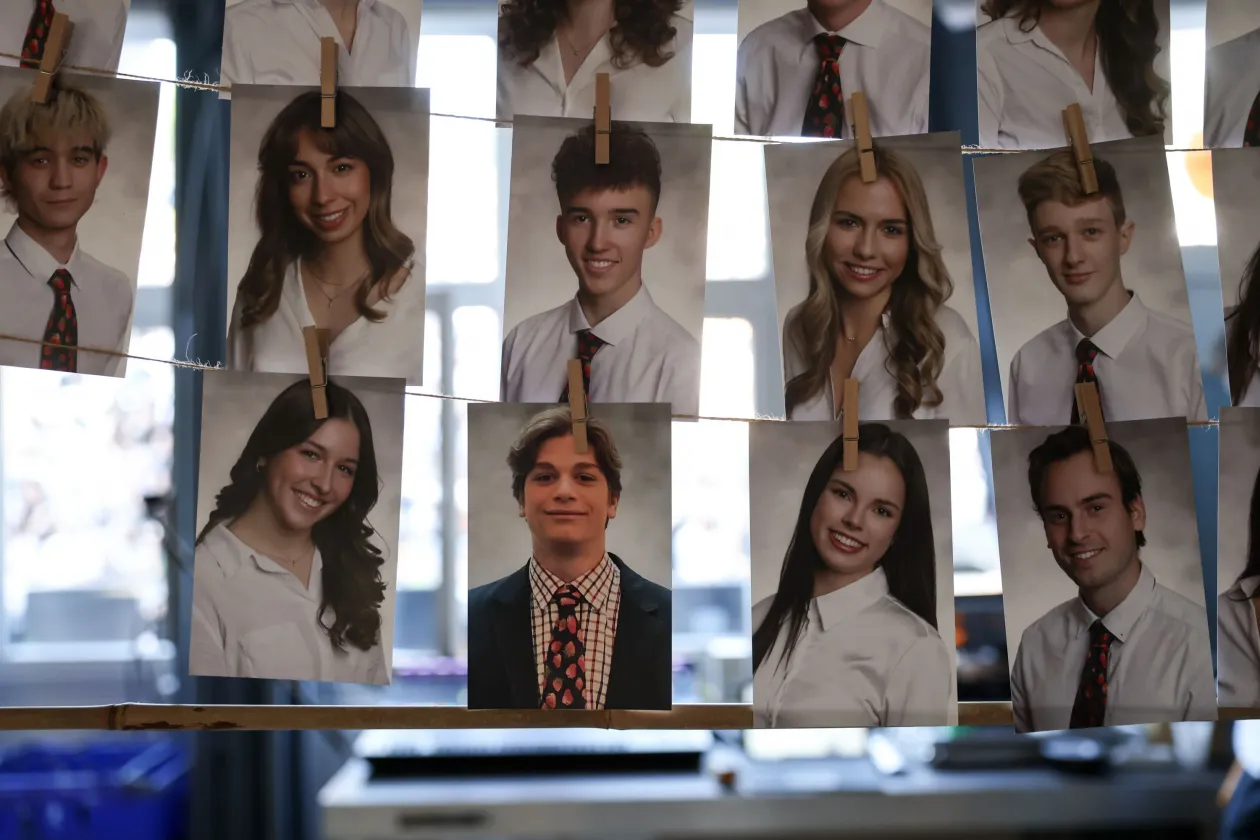
A bench was built in the school’s garden, personal messages were burned into its wood, and a flower garden was planted around it. The central element of the tableau photography was that each boy wore his strawberry tie. In recognition of his work as student president, the award for school renewal activity was named after him. One of his friends started hiking and by the end of his second year had climbed five thousand peaks. Flags bearing his image have already reached the most diverse parts of the world, and images are constantly arriving from new and new places. Relationships are formed that would never have been, and the almond tree planted in the school yard will one day provide shade for the students of a new generation.
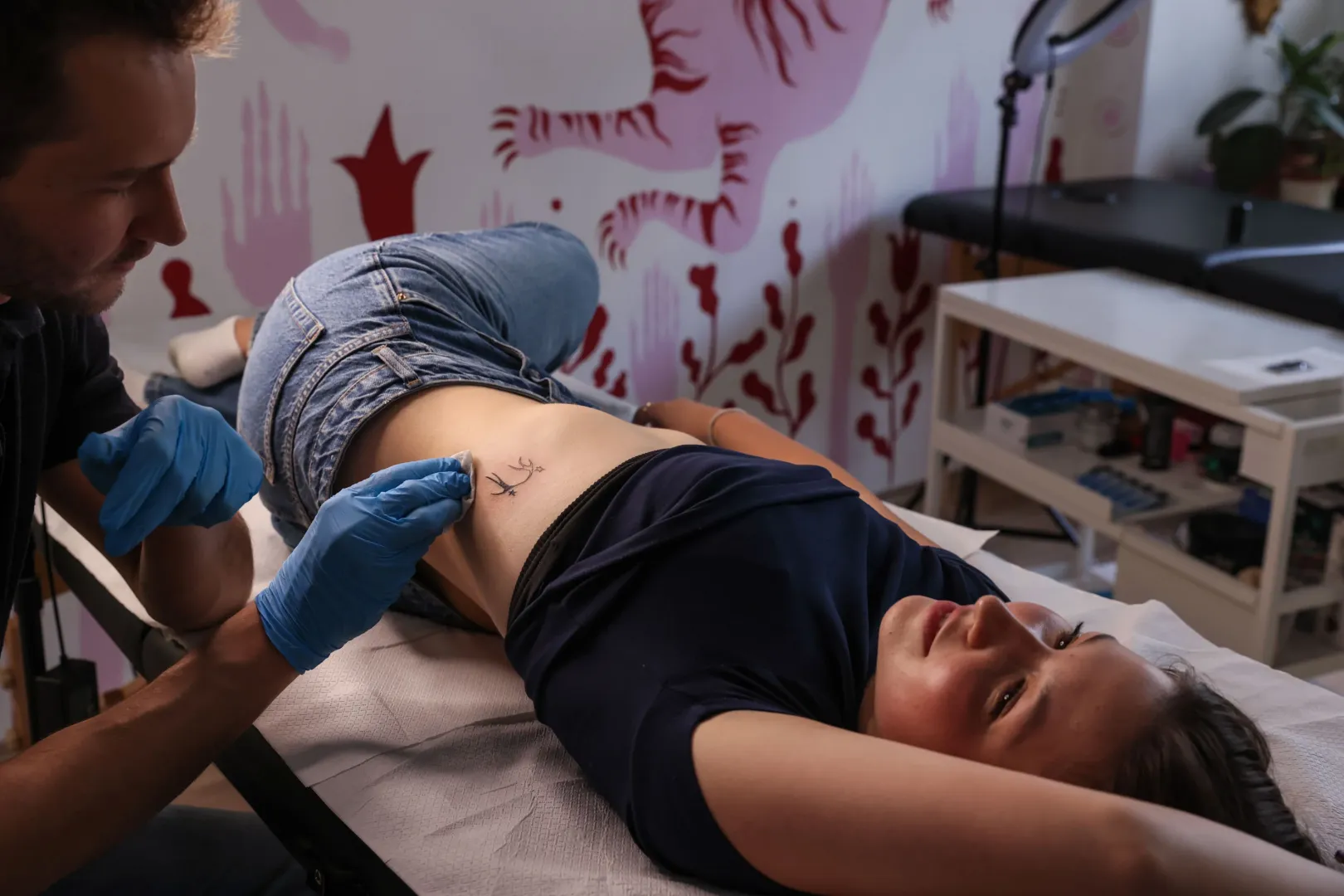
One of Bálint’s closest friends, Liza, had a tattoo made for herself, symbolizing the two of them and symbolizing the eternal connection between body and soul
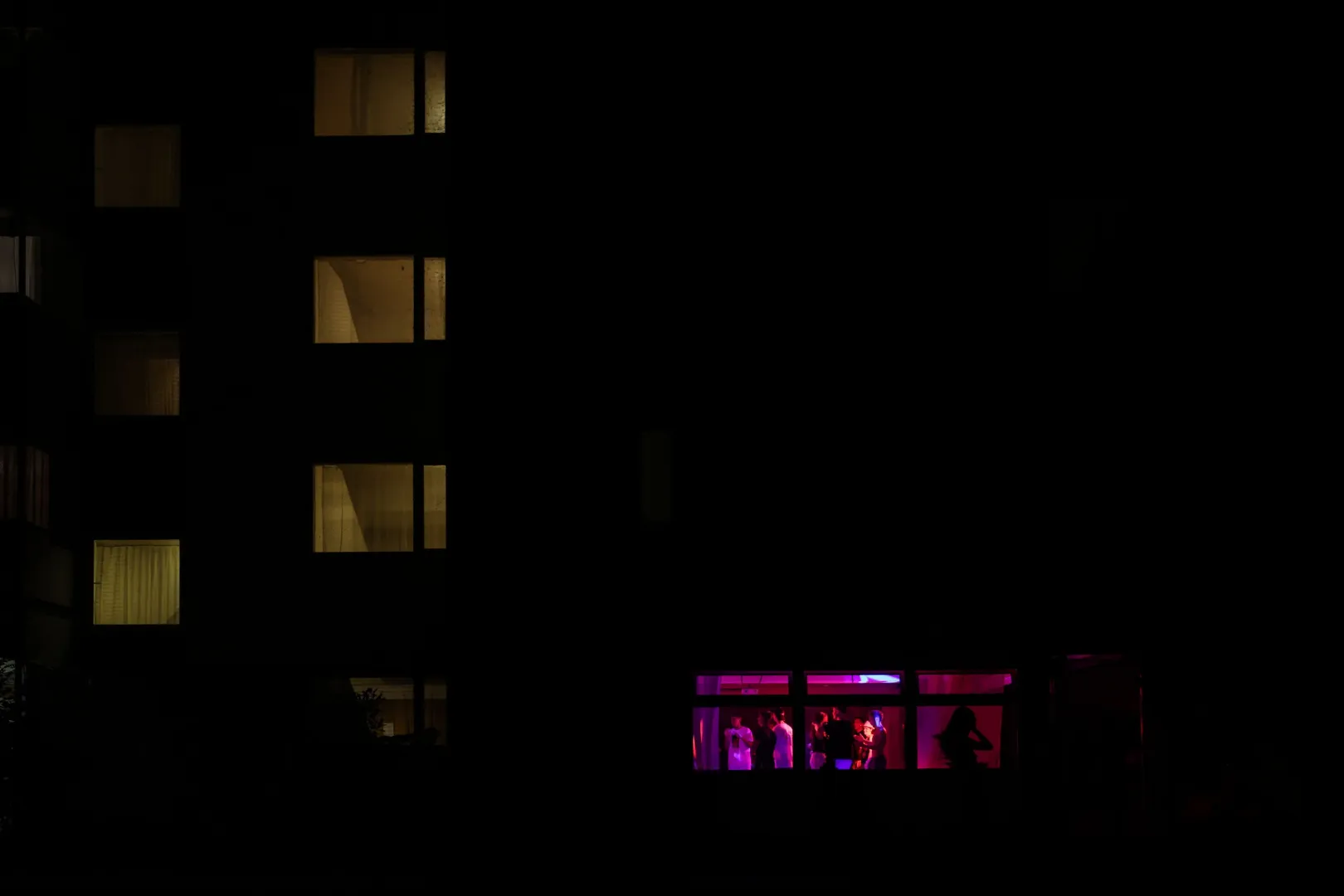
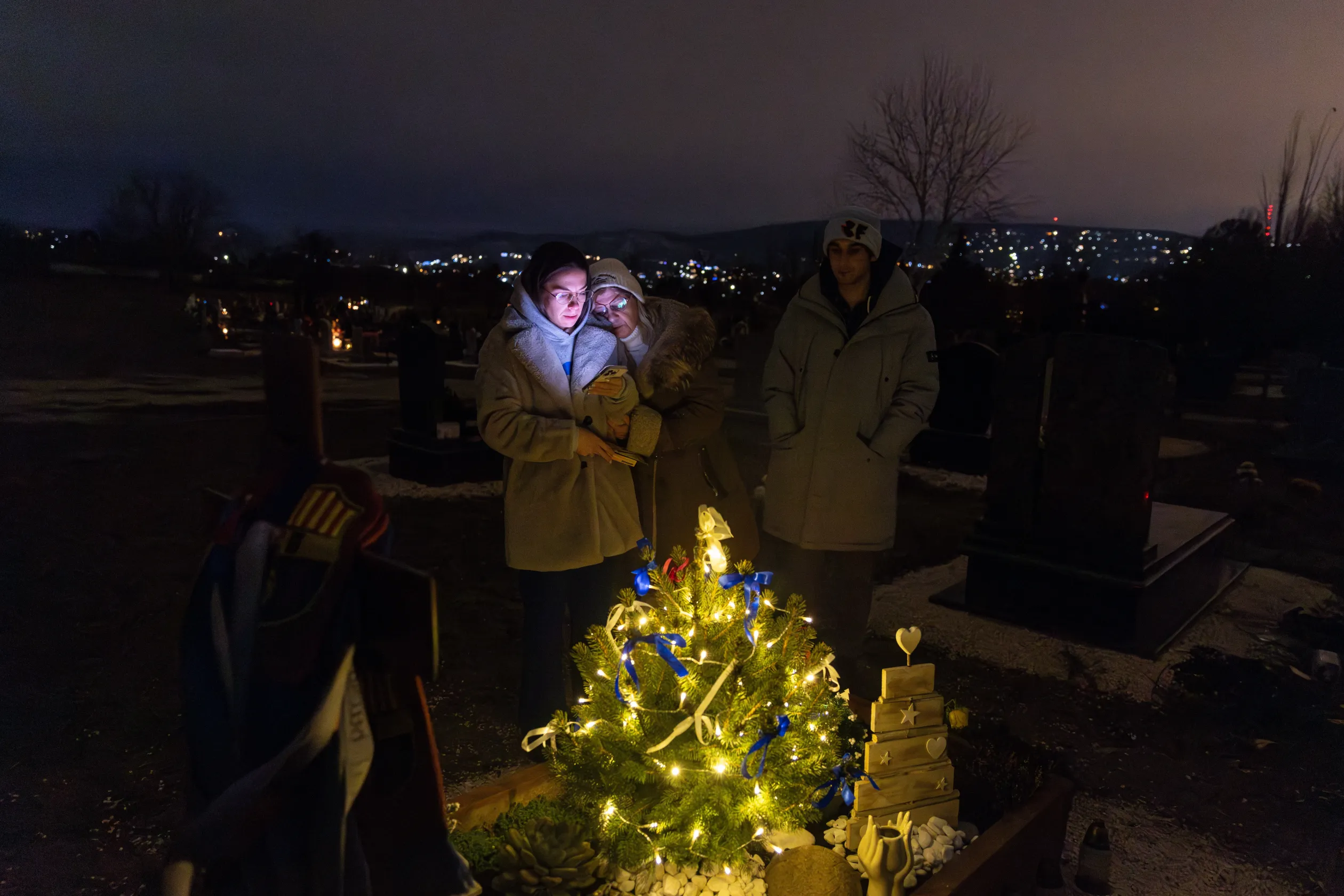
First Christmas Eve without Bálint
Two months had passed since his death when his friends sat in a circle and talked to the school psychologist about how he was feeling. At that point, one of the boys burst into tears: he said that he saw that many people outside of his immediate environment had already gotten over this tragedy, and because of this, he was thinking that if he died, would he be forgotten so quickly?
Sometimes we imagine losing someone and think that we would definitely not survive. And when it does, the sun rises again and air flows into our lungs. We live. A very human, elementary fear that many of us have: to whom and how are we important? When we are gone, how long will people remember us?
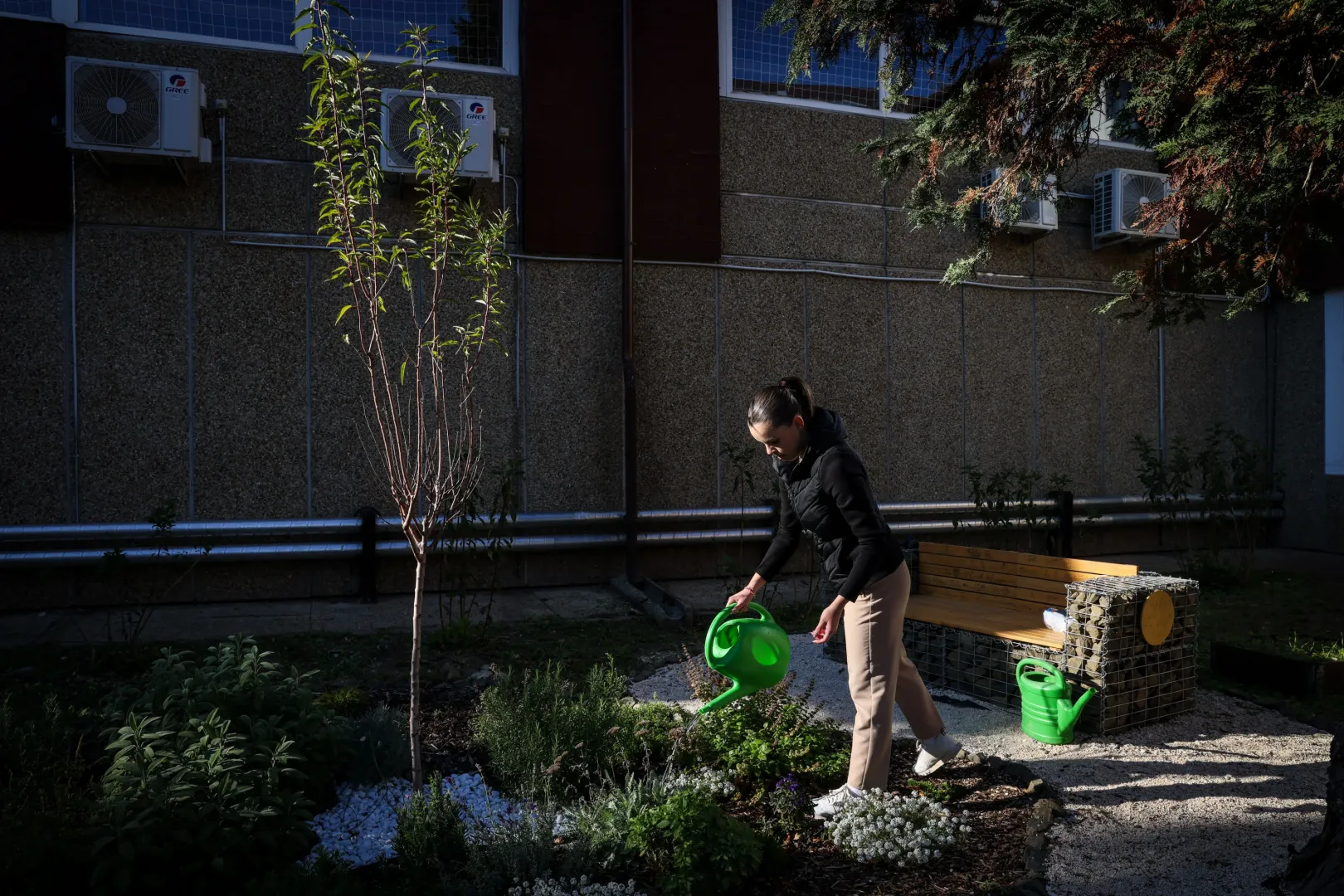
Janka in the flower garden made in memory of my younger brother
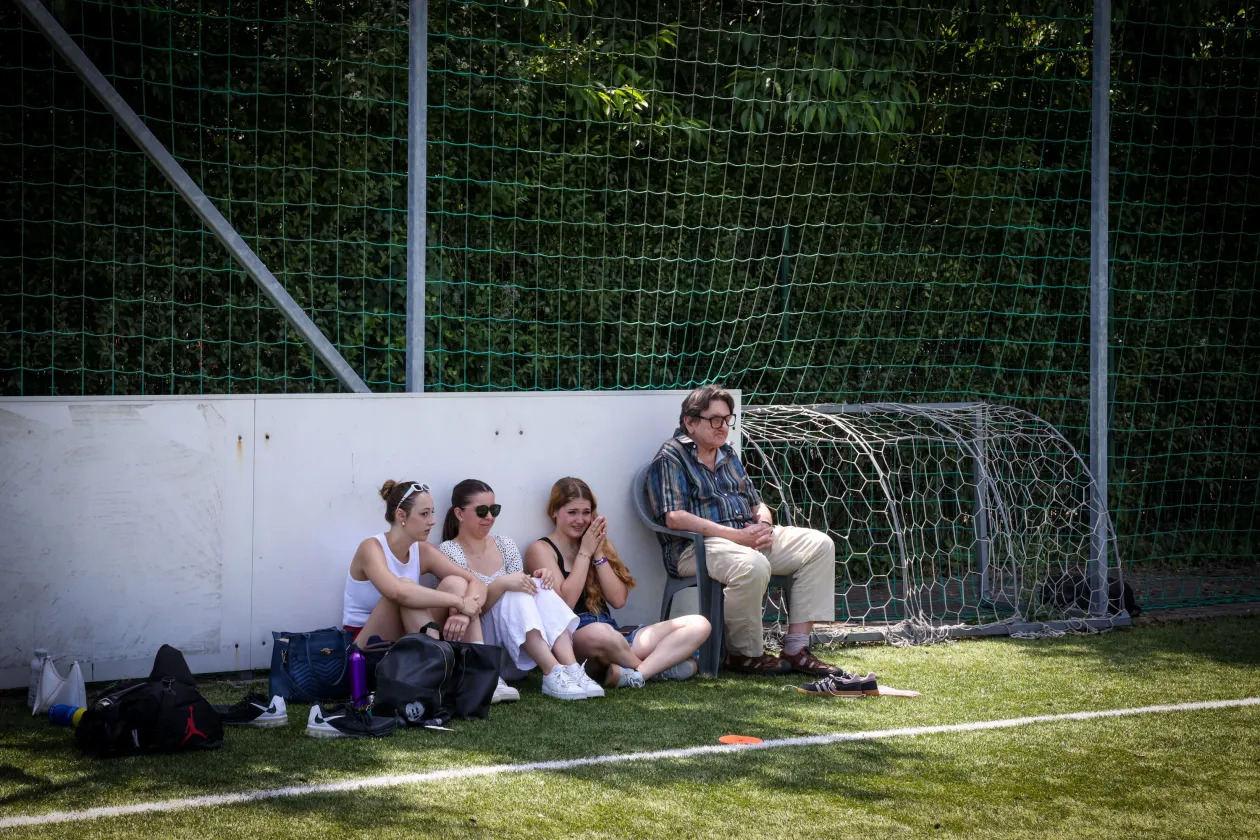
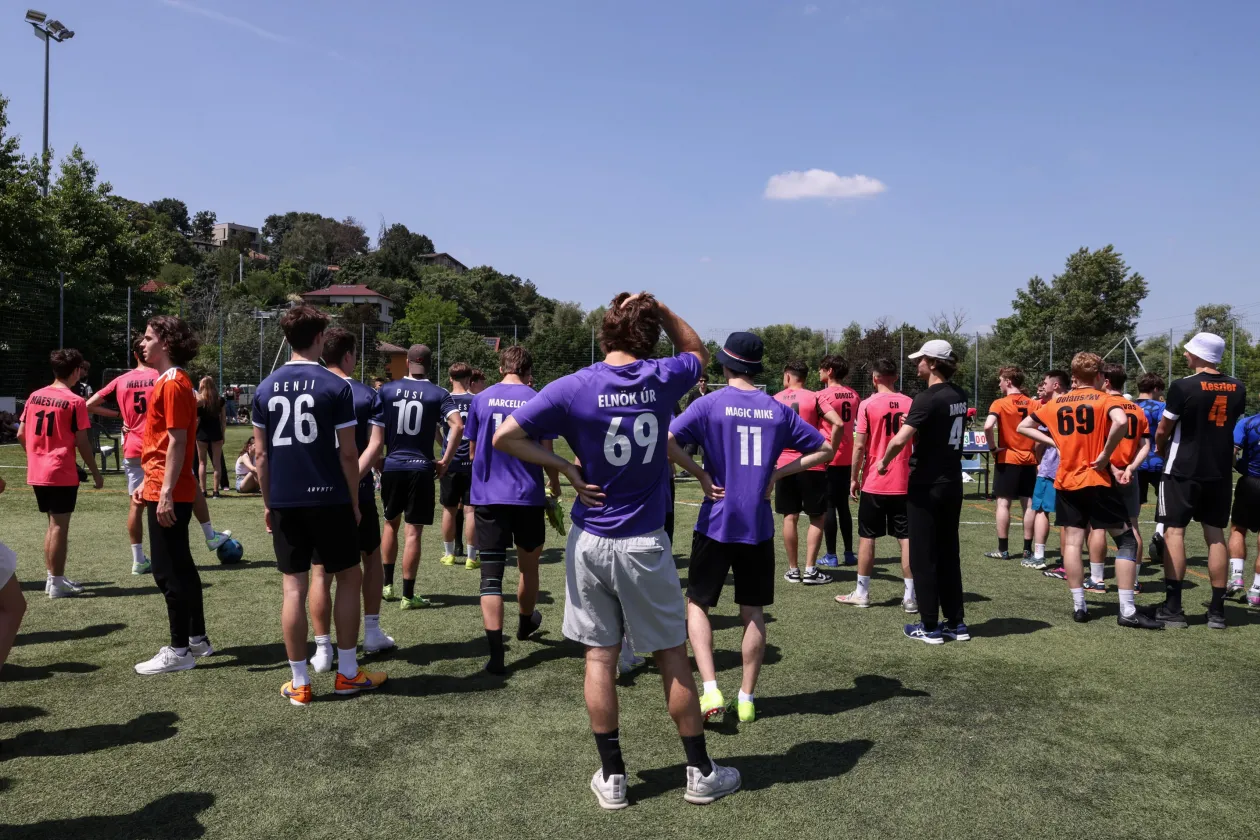
My father at the soccer cup organized in memory of Bálint and Csongor, my older brother, in a shirt with the inscription Mr. President Bálint
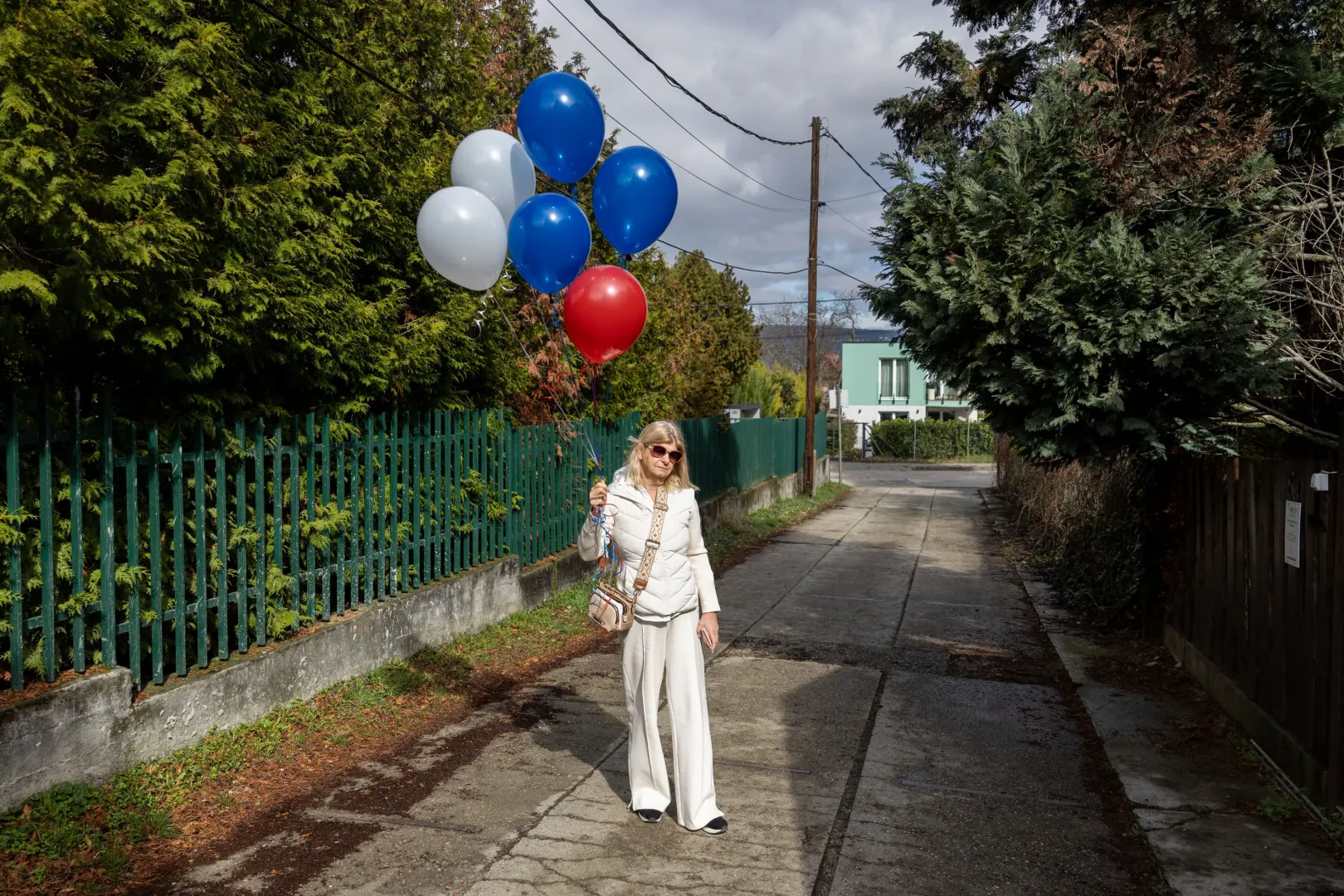
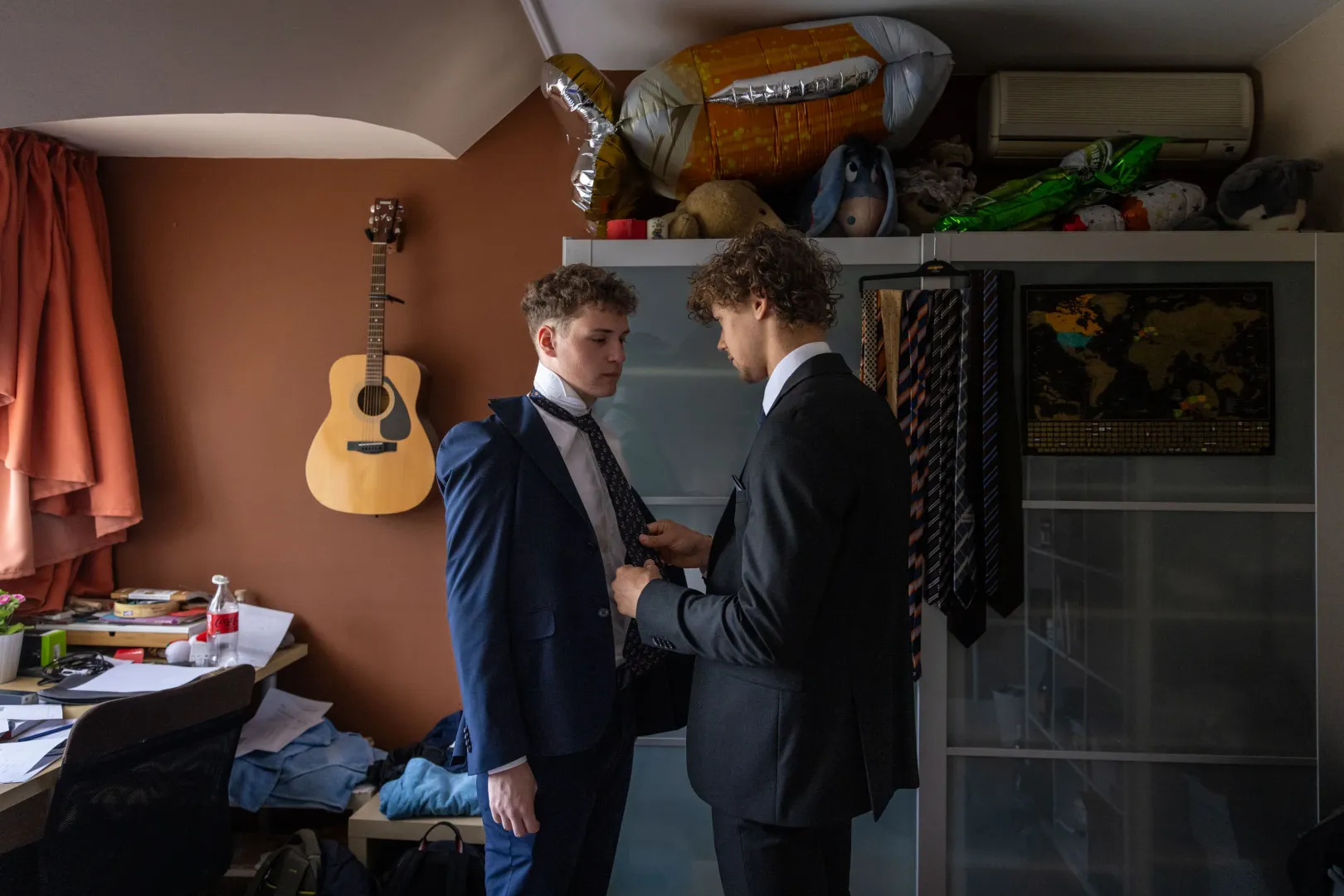
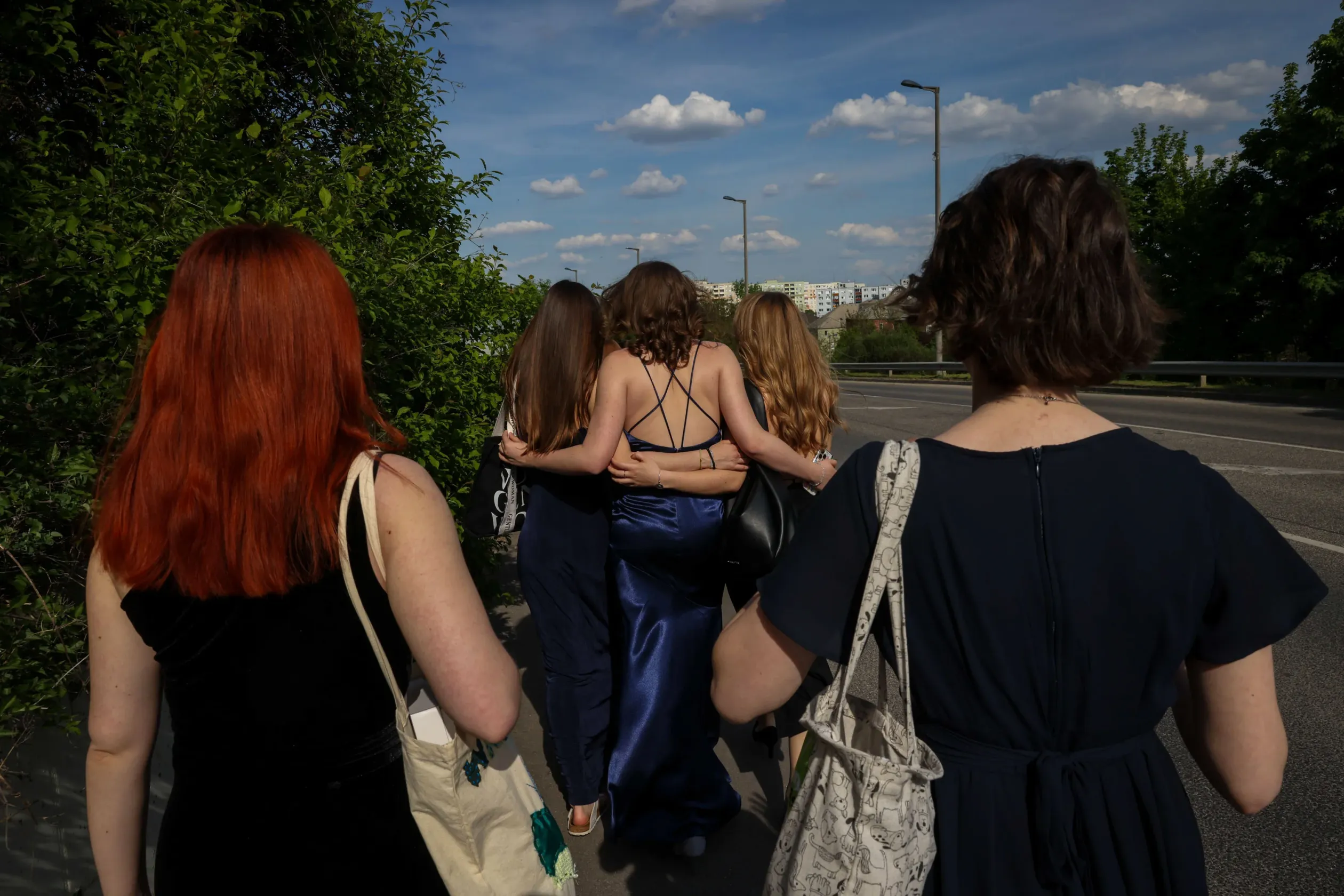
Andris and Bazsa, Bálint’s closest friends, are preparing for the graduation ceremony
It wasn’t easy going through senior year without him, in the same high school I attended, and even though our last conversation felt fateful, the “empowerment” wasn’t self-evident. It was a contradiction to live the moments that should have been his. I am grateful to the young community whose members cherish and carry their memory to this day, that while I questioned my role among them every time, they never did.
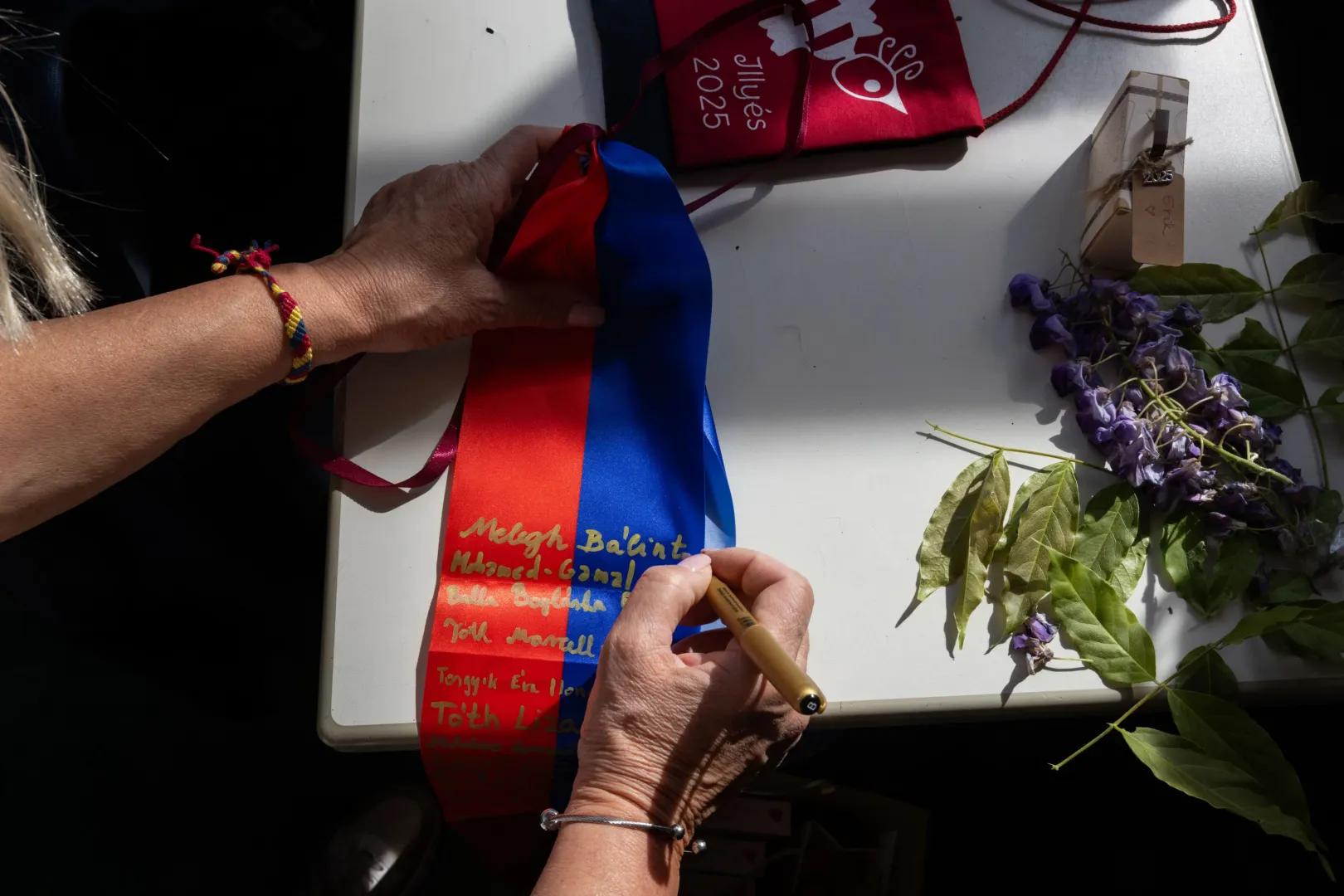
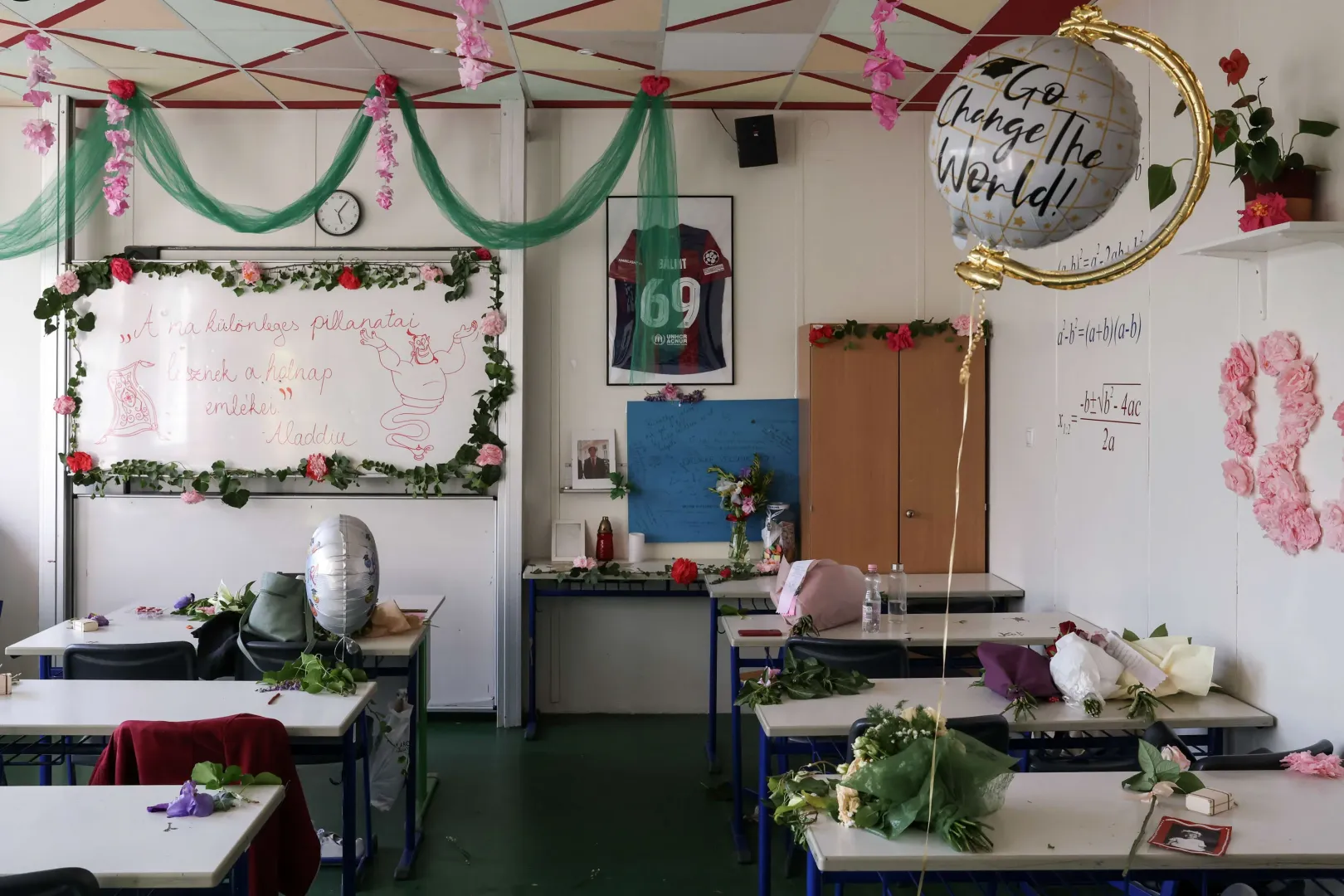
At the beginning of the school year, Bálint’s friends hung his soccer jersey on the classroom wall and placed handwritten messages in a bottle
It is often said that tragedies build us and pain strengthens us. I believe that trauma in itself does not strengthen you, it does exactly what it promises: it traumatizes, breaks you apart, cripples you. Time and hard work will decide whether there will be more of it. Can we accept the unacceptable, can we slowly come to terms with life and love it, will we be able to experience the good things with a lessening sense of guilt?
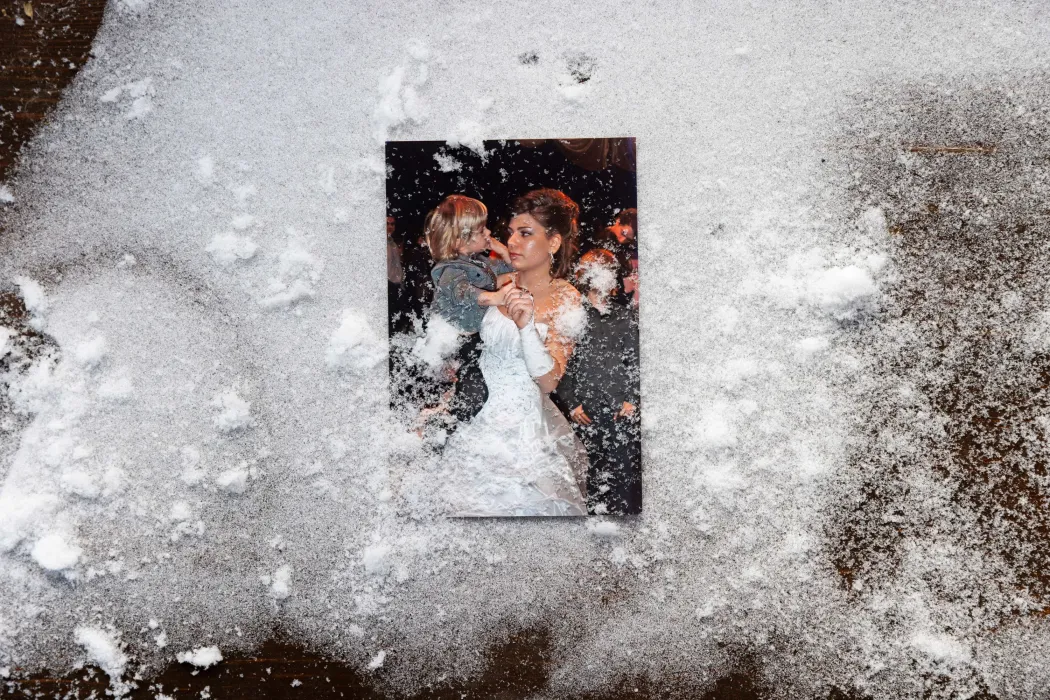
We stood in the gallery at Bálint’s ribbon-cutting ceremony, the grade a Now it depends exactlyhe sang t. I looked down at the same dance floor where he sat on my arm at my own prom in 2009 and we danced like that. I remember thinking that maybe one day he will come here too, and one day I will dance with him here again. At 18, it seemed impossibly far away.
During the production of the series, my strongest motivation was to show that Bálint’s legacy is us: everyone whose life he influenced. The amount of love surrounding him is the most accurate description of the special impact he had on those around him during his painfully short life. My life is defined as much by my brother’s absence as by his presence. Many times, the action born out of lack is the strongest shaper of who we can still be.
The series is in the Hungarian Press Photo Competition André Kertész won the Grand Prix. The material Remains of Us at previously received first prize in the highly prestigious Pictures of the Year International Daily Life (Picture Story) category.