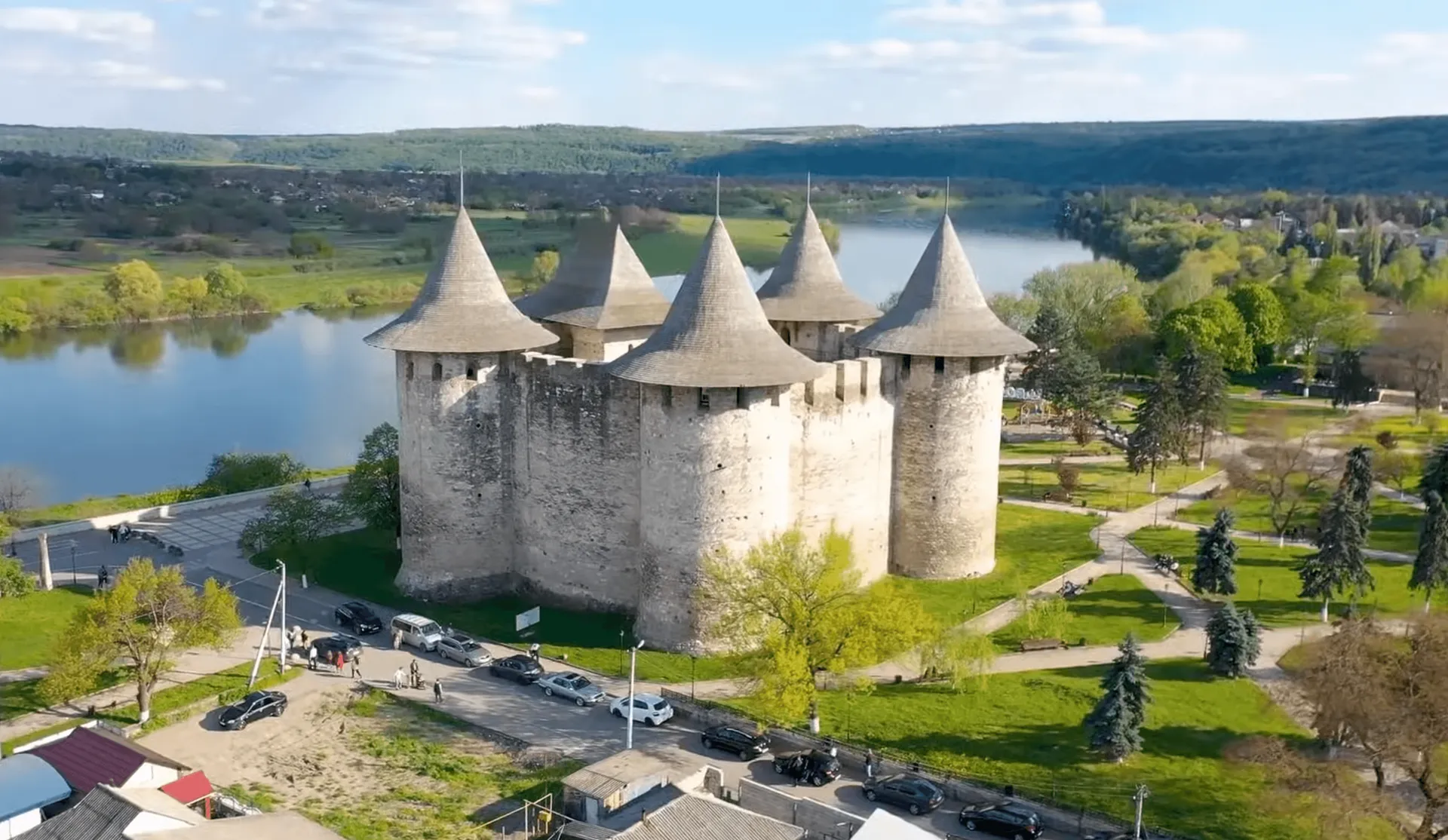
Travel is not cheap these days. Fuel prices and everyday expenses add up quickly, and many popular beach vacation destinations and city breaks are getting more expensive. However, even in Europe there are still more affordable destinations, and one of the cheapest is also one of the least visited. Although not high on many travelers’ wish lists, Moldova offers a charming and slightly different vacation for those with an adventurous spirit.
The British Foreign Office advises against traveling near the border with Ukraine and recommends that travelers regularly check official travel advisories for Moldova as the situation may change.
Only slightly more than 67,000 tourists visit Moldova annually, and most of them come to the capital Chisinau. The city has historical and Soviet architecture, and its compact center, interspersed with large green areas, is ideal for walking.
As a cultural center, Chisinau offers many contents. Visitors can tour the richly decorated Cathedral of the Nativity with magnificent frescoes or visit the National History Museum of Moldova and get an interesting insight into the past of this little-known country.
Moldova’s hilly green landscape is covered with vineyards, and not far from the city is Milestii Mici, the largest wine cellar in the world. An estimated 1.5 million bottles of wine are stored in more than 50 kilometers of limestone tunnels in use. It is possible to visit the tunnels, the “streets” of which are named after different varieties of wine, and at the end of the tour, visitors receive a bottle to take home.
A number of local restaurants also serve Moldovan wines, and you can often get a bottle in a restaurant for four to four to five euros. A pint of beer at a bar can easily be found for €2.30, making Moldova an extremely affordable destination compared to many European destinations.
South of the capital, you can visit Orheiul Vechi, a 13th-century cave monastery. It is carved into the cliffs and consists of a series of stone pillars and tunnels and offers an incredible view of this traditional Moldavian region.
Maybe you will meet some of the monks there who still live within its walls. Nearby are also the archaeological remains of Old Orhej, the findings of which date back to the 6th century BC.
If you’re looking for an escape from the city, Romania’s Bicaz Gorge and Red Lake (Lacul Rosu) offer a glimpse of the region’s natural beauty.
The Red Lake is known for its reddish color and the remains of tree stumps sticking out of the water, making it a popular destination among hikers.