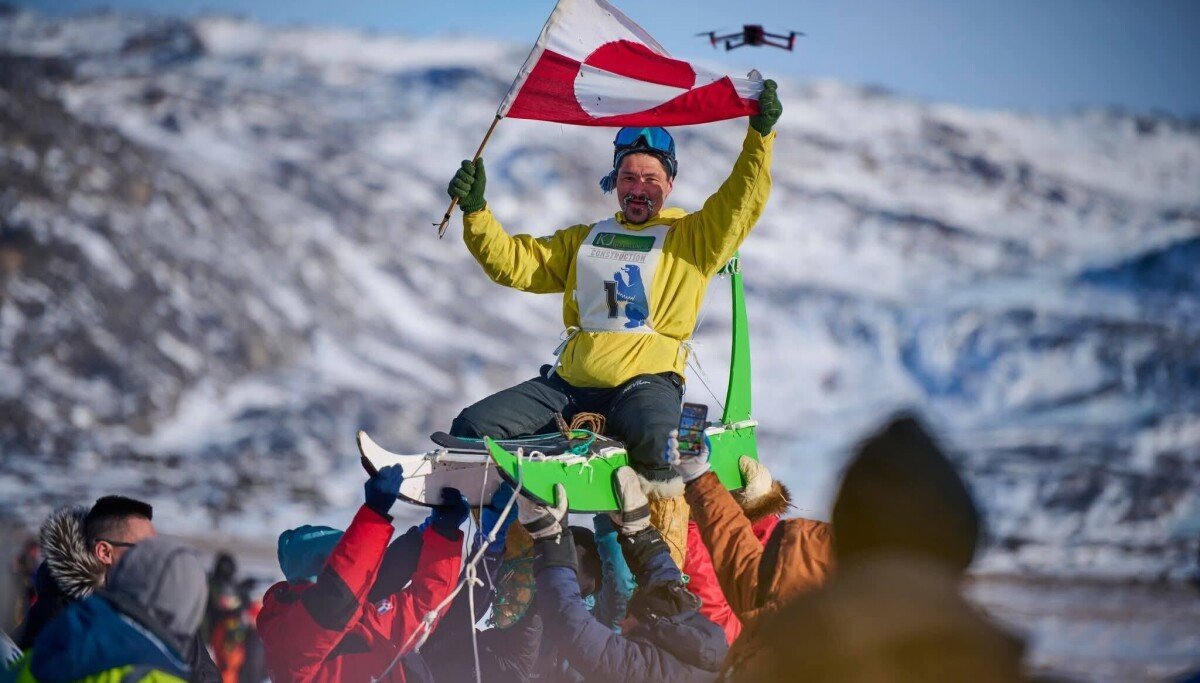
For him the sea is not just a place, where he works. This is where he belongs.
He has chosen a life where the weather, nature and the catch determine the course of the day. A life that he already knew as a young man that he wanted to live.
He left elementary school early. Not because he lacked something to focus on, but because he had found something he would rather spend his life on; to become a fisherman and trapper.
Jonas Kristensen is 45 years old and born in Innaarsuit, approximately 40 kilometers north of Upernavik. It was here that he remembers his first memories.
He grew up in a time when the settlement was gradually moving away from the traditional hunting life towards fishing. He himself witnessed the change and saw, among other things, his father, who lived as a fisherman and prisoner.
– My father had a wood cutter. The village was buzzing with life and most were fishermen and trappers, says Jonas Kristensen, who grew up in a group of five siblings. While his father earned a living as a fisherman, his mother stayed at home and took care of the family.
In that way, life as a trapper was no stranger to him. Still, it was the move to Kullorsuaq that really changed his view of the culture he was part of.
– When I was 20 years old, I moved to Kullorsuaq, where I encountered a way of life where the old fishing traditions still filled a lot of everyday life, he says.
Halibut fishing only took place in the winter. Narwhals were caught from qajaq, and in winter dogsleds were used rather than snowmobiles.
– Here I became aware of how much knowledge still existed among the local prisoners, but also how quickly it could disappear.
With the camera as a weapon
Jonas Kristensen started taking pictures and recording videos when he was out fishing. Not to become a photographer, but to document the life he lived and the culture he was getting to know better.
– I photographed the nature around me, the routes I sailed in and the catches I got, he says.
Jonas Kristensen also immortalized the encounters with polar bears, which he had put down, and took pictures when he was rowing a qajaq and driving a dog sled. He took pictures of how he kills different animals such as narwhals, walruses and polar bears.
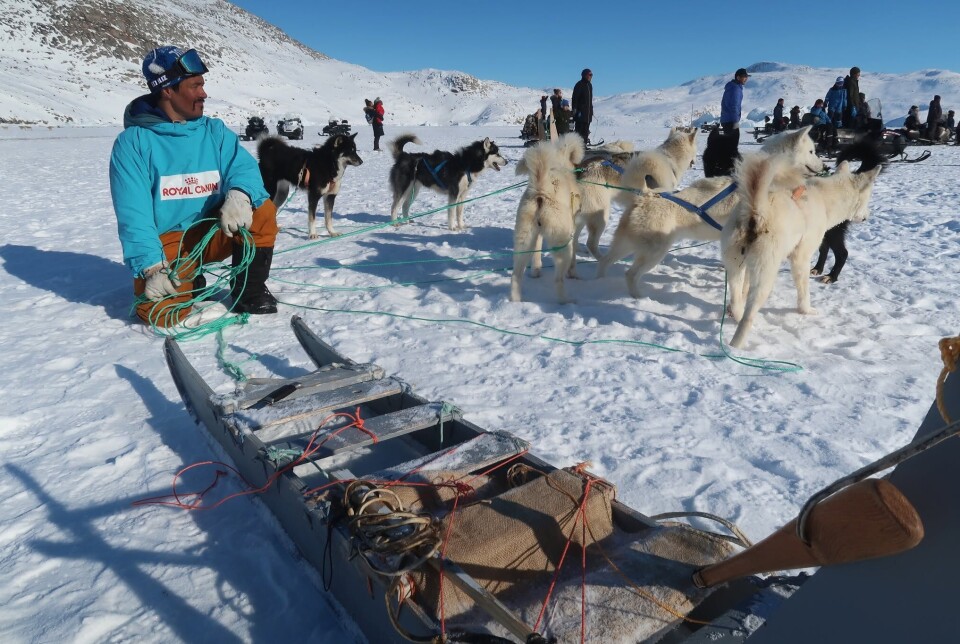
These were moments from everyday life that he wanted to save and that he could later share with others.
– In the beginning, I took the pictures because I wanted to show my father how life and catching went on up here, he says.
He wanted to show him how the trapping life was practiced in Kullorsuaq, and what old methods and traditions he himself had begun to learn.
What began as a personal documentation for the family gradually developed into something bigger. He wanted to ensure that the knowledge he himself had gained access to did not disappear with the generation that had carried it on.
Will be greeted with gratitude
Today, the camera has become more than a tool for saving memories. It has also become his way of communicating.
He visits towns and villages to talk about the fishing life, the old methods and the knowledge he has gathered over the years. For him, it is not just about telling how you caught in the past, but about showing why this knowledge is still important today.
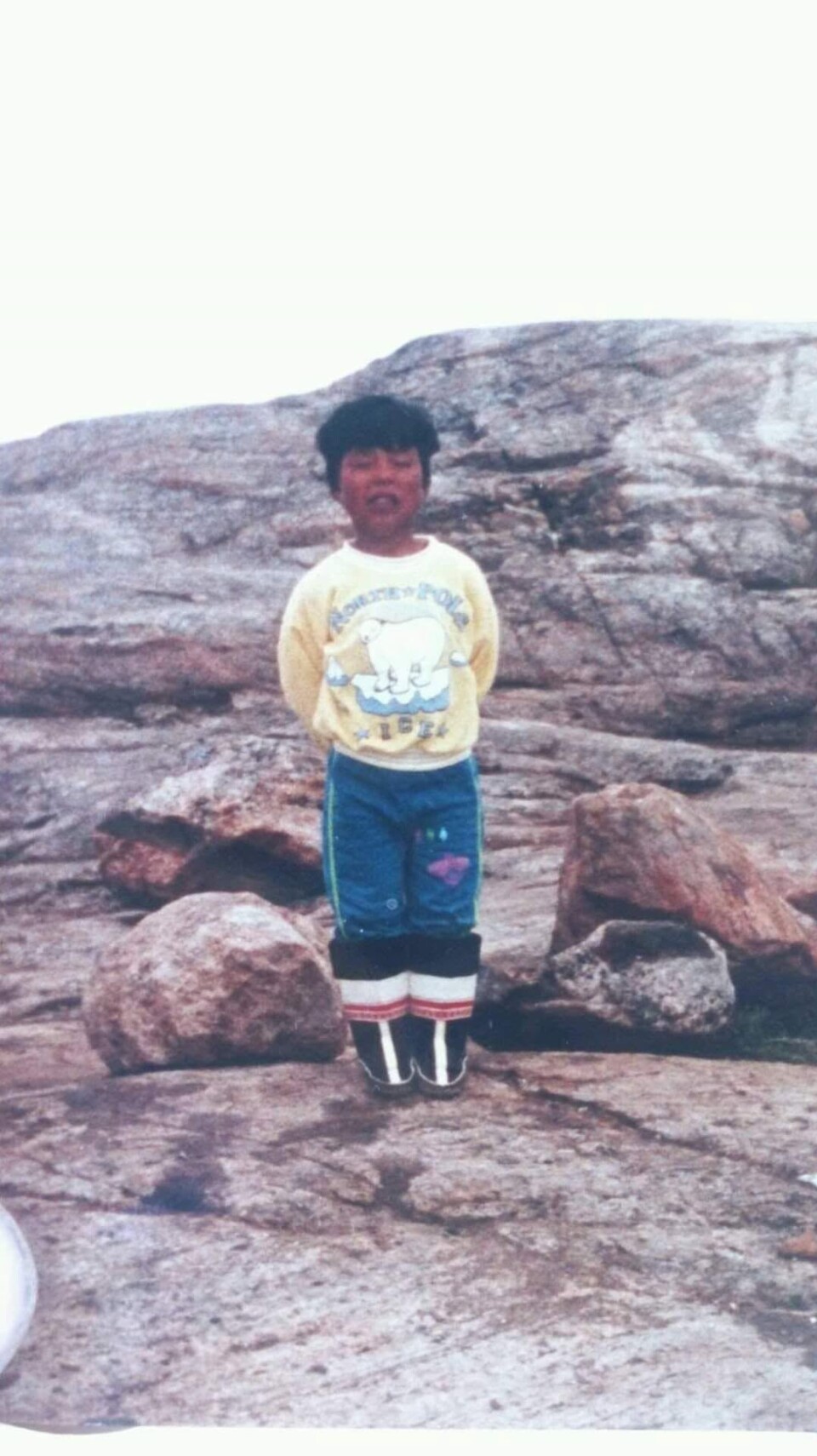
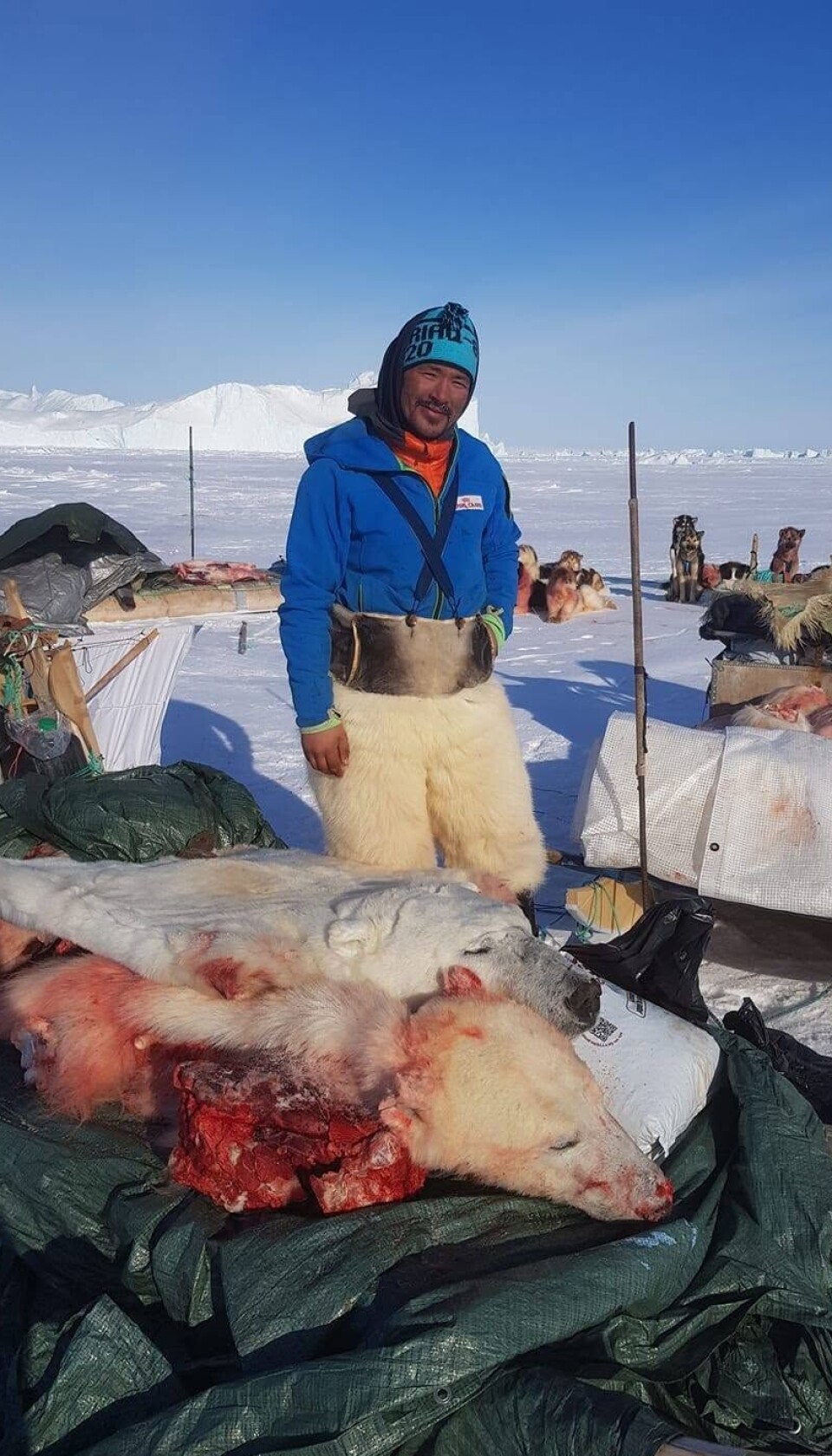
When he visits towns and villages to talk about the old fishing methods and show his photos and videos, it is both the young and the elderly who are interested and he is met with a gratitude that he does not take for granted.
– Some of the older people are clearly touched and come up to me to say thank you. They thought that the old catching methods had long been forgotten, says Jonas Kristensen.
The prisoners’ knowledge is overlooked
Jonas Kristensen is not the type to just accept things as they are. He asks questions and often thinks about how society’s rules relate to the reality he himself knows from life as a prisoner.
This is expressed, among other things, in his view of the Greenlandic sled dog. For him, it is not just an animal, but an important part of the hunting culture and everyday life in the North Greenland settlements.
– That is why I believe, for example, that the sled dog should have separate legislation that takes into account its special importance, says Jonas Kristensen.
He has tried several times to convey his thoughts to those who make the decisions. When he has been in Nuuk, he has, among other things, visited the politicians to enter into a dialogue with them in the area.
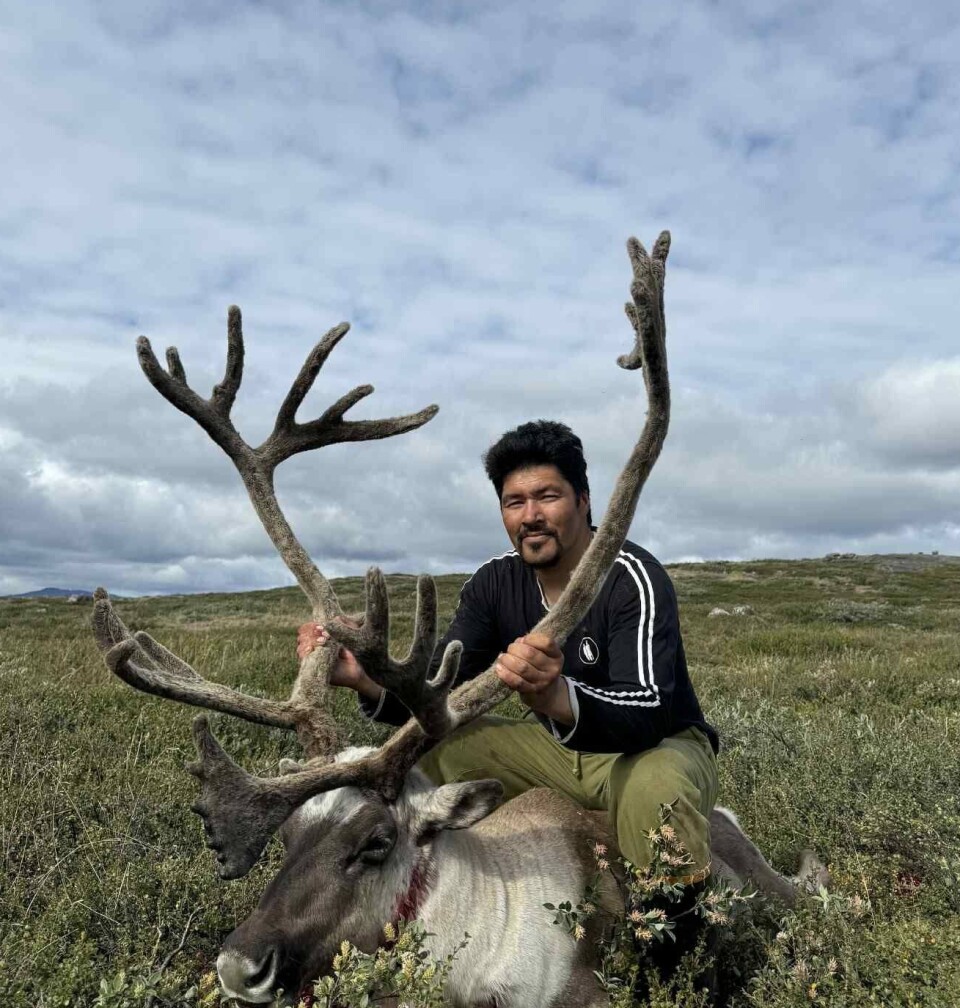
But when the interest does not materialize, he withdraws.
Because even though Jonas has a lot on his mind, he is also not the type to keep talking if he feels no one is listening.
However, this does not mean that he has given up his views.
– I continue to experience that the prisoners’ knowledge is overlooked when decisions are made about their living conditions, he says.
The people who have spent their whole lives at sea, on the ice and in nature have experiences that cannot necessarily be read in a legal text, he tends to think.
For Jonas, it is therefore also about being heard. Not only as prisoners, but as people who have a knowledge society risks losing if no one asks them for advice.
Diapers and catching in the same boat
For him, life as a trapper has never been something that had to be put on hold when family life began. When his daughter was little, he took her in the boat when he went hunting. Diapers also had to be changed and milk given along the way. Hunting life and family life simply had to find a place side by side.
It may also say something about Jonas’ way of seeing the world. For him, life, nature and culture are inextricably linked. He often thinks back several generations when he talks about life as a trapper. It is not only his own experiences that he bases his views on, but also the knowledge that has been passed down through the generations.
He believes that you cannot understand Greenland’s nature through books and biological studies alone. One must also listen to those who have lived with nature, followed its changes and learned its rhythms throughout a lifetime.
According to him, that knowledge is just as important for the understanding of Greenland.
For him, it’s about preserving something that the generations before him have helped to create. Without that culture and the people who have carried it forward, we would not be here today.
It should not only be told through pictures and videos. It must be lived.