Seigonie Mohammed
Women from some of the world’s most climate-vulnerable communities are sounding the alarm over the devastating impact of extreme heat on their daily lives.
From shrinking incomes and failing crops to water shortages and growing health risks, they say rising temperatures are making it increasingly difficult to survive.
And for Caribbean countries already grappling with extreme heat, drought and the rising cost of living, their concerns strike close to home.
The warnings come as the Global Alliance for Green and Gender Action (GAGGA) launches a new report titled The Sun is Angry: Women on the Frontlines of Extreme Heat, highlighting how climate change is deepening existing inequalities.
The findings are striking.
According to the research, 88 per cent of women surveyed in Namibia reported that heat and drought had affected their ability to earn an income. In Uganda, women reported that their caregiving responsibilities nearly doubled during heatwaves.
The report also found that one in five women surveyed in Namibia and South Africa experienced heat-related conflict or violence.
Women Paying the Price
For women in El Salvador, the crisis is being compounded by water scarcity and environmental degradation.
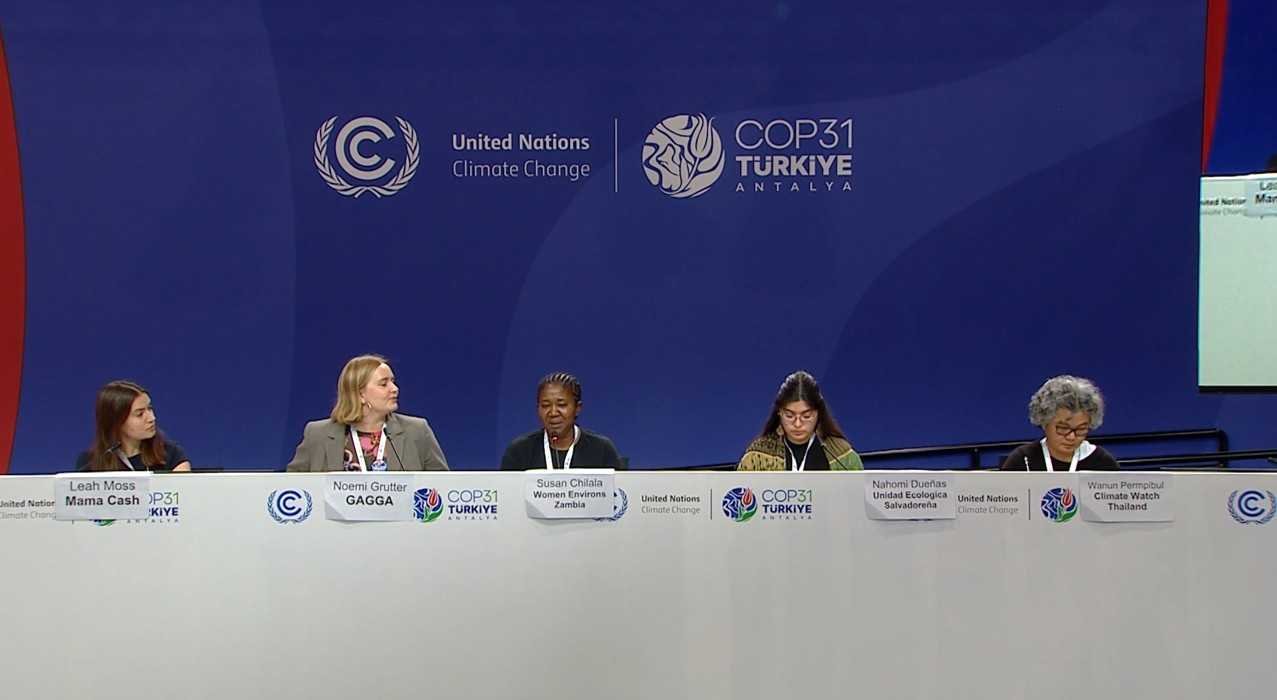
Nahomi Dueñaz, of Unidad Ecológica Salvadoreña, told journalists at COP31 that women are increasingly bearing the burden of securing water for their households.
“So, when heat rises, women walk farther in the hottest hours, with more pain, with more worry, and with less sleep,” she said.
She explained that growing pressure on water resources is not only affecting livelihoods but also creating tensions within communities.
Meanwhile, women farmers in Thailand are reporting significant financial losses as extreme heat damages crops and threatens livestock.
Climate Watch Thailand Executive Director Wanun Permpibul shared accounts of women losing durian trees, which take approximately five years to mature, leaving farmers facing costly replacement and irrigation expenses.
For informal workers, including street vendors, the situation is equally challenging. Staying home means losing income, while continuing to work in dangerous temperatures puts their health at risk.
Where Is the Climate Money Going?
But beyond the impact of extreme heat, women’s organisations are raising serious questions about climate financing.
Susan Chilala of Women Environs Zambia says large amounts of money are being discussed at international climate conferences, but the benefits are not being felt in rural communities.
“We’ve heard of a lot of huge, huge, huge projects where huge, huge amounts of funds have been mentioned, and really when you come to the grassroots, where we are as the rural women, we are not seeing any impact,” she said.
GAGGA argues that women-led organisations are receiving only a fraction of the financing needed to strengthen their communities against climate change.
Despite these challenges, women are already taking matters into their own hands.
Across vulnerable communities, they are conserving water, saving heat-tolerant seeds, protecting crops and developing local solutions to cope with rising temperatures.
But campaigners insist these efforts cannot continue without meaningful financial and institutional support.
“The problem is not that women lack solution, they lack resources and the space and also the opportunity to make the decision … we really need to make a transition and that transition is shifting the power from those who have already holding the power to the women on the ground,” Permpibul said.
A Message That Resonates in the Caribbean
For Caribbean small island developing states, the debate over climate finance remains particularly important.
With communities vulnerable to heatwaves, drought and other climate-related disasters, ensuring that adaptation funding reaches those most affected is a pressing regional concern.
The experiences shared at COP31 underline a broader challenge facing vulnerable countries: translating international climate commitments into practical assistance for communities on the ground.
As negotiations continue in Antalya, women’s organisations are continuing the call for greater access to funding, stronger protection of land and water rights, and a meaningful role in decisions about climate action and they are already helping to develop the solutions.