From CHOGM to COP31: Small islands will not be small talk
11 Nov 2026
This week Prime Minister Gaston Browne leads our delegation at COP31 in Antalya, only days after Commonwealth leaders left St John’s. Hosting CHOGM showed my small country what a summit can achieve when its host refuses to let it drift. The test now is whether COP31 can do the same.
A year ago I argued that small island states should be treated as partners and co-investors in the energy transition, and that Gulf capital and energy expertise could turn our islands into proving grounds for the grids of the future. Some of that has moved. Our government has committed to 100 per cent clean power by 2030. What has not moved fast enough is the money. Most of what reaches us still arrives as loans, stacked on debt we took on to rebuild after storms we did not cause. When Hurricane Irma flattened Barbuda in 2017 and the whole island was evacuated, the Prime Minister put the cost of rebuilding at about US$250 million.
Last week the Commonwealth moved that argument forward. Leaders called for debt frameworks that reflect climate vulnerability, including pause clauses that suspend repayments after a major disaster, and investors were shown a pipeline of more than US$52 billion in projects from 28 developing countries. Prime Minister Browne is now Commonwealth Chair-in-Office for the next two years, and the Hon. Michael Joseph, our Minister of Health, Wellness, Environment and Civil Service Affairs, co-leads CARICOM’s climate finance negotiations here. We intend to carry that mandate into every room.
Here is what Antalya must deliver.
First, hold the line on 1.5°C. Caribbean ministers warned before this summit that the world is now likely to overshoot that limit within a few years. For an island state, that number decides which coastlines we can still defend. Last year the International Court of Justice confirmed that parties to the Paris Agreement are legally obliged to act to meet that goal. COP31 should treat that opinion as a floor, and the largest emitters should arrive with plans that match it.
Second, change the terms of climate finance. The world has promised at least US$300 billion a year by 2035. A credible path to that figure must put grants and concessional money first for small islands, with simpler access, dedicated windows and a guaranteed minimum share. Disaster pause clauses should be standard in every loan to a climate-vulnerable country, and eligibility for cheap finance should be judged by exposure to climate shocks rather than income figures that label us too wealthy for help. A grant that a country of fewer than 100,000 people cannot reach might as well be a press release.
Third, fill the funds that already exist. The Loss and Damage Fund has not kept pace with what islands are losing, and adaptation finance needs a clear route to tripling by 2035. Every year of delay is paid for in sea defences we cannot afford to build.
Beyond Antalya, the work moves from negotiation to delivery, and that is where my work in the Gulf matters. Few regions understand energy markets as well as the Gulf, and its states are building the transition at home: Qatar alone has more than doubled its solar capacity in three years, to about 1,675 megawatts. Gulf partners have also shown what they can do for islands like mine. A hurricane-resistant solar plant on Barbuda, financed through the UAE-Caribbean Renewable Energy Fund, came online in 2024, and His Highness the Amir of Qatar, Sheikh Tamim bin Hamad Al Thani, has pledged US$100 million to help small island states and the least developed countries respond to climate change. The Hon. Melford Nicholas, our Minister of Information, Communication Technologies, Utilities and Energy, puts the cost of producing a unit of electricity in Antigua at about 42 US cents, against less than 10 cents in oil-producing countries. Over the two years of our Commonwealth chairmanship, I want to bring Gulf capital to the projects already in the Commonwealth pipeline and turn that goodwill into financed projects, built grid by grid.
Small islands did not come to Antalya to be pitied. We came with a court ruling on our side, projects ready to fund and the chair of a Commonwealth of 2.7 billion people. The question for COP31 is whether the rest of the world will match our seriousness.
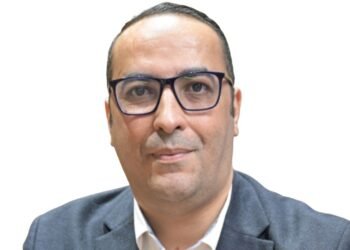
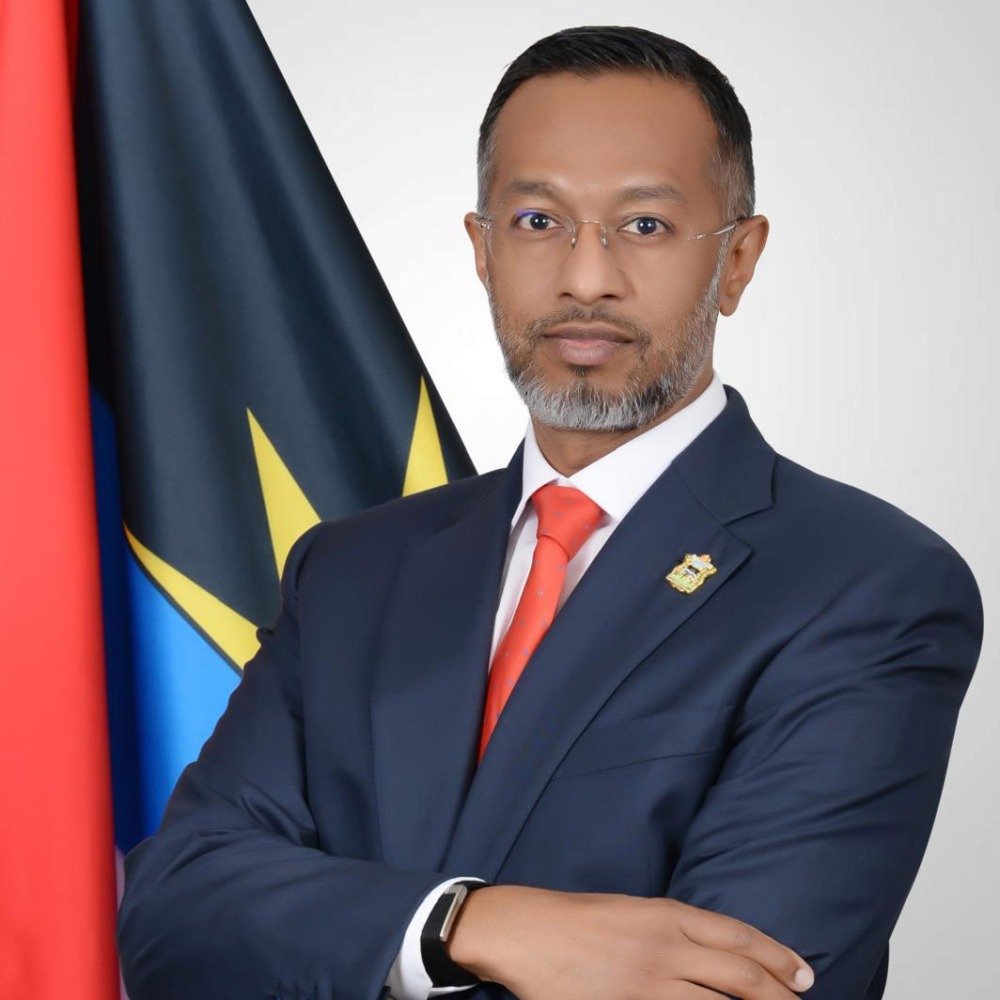
H.E. Theon Ali is Ambassador of Antigua and Barbuda to the State of Qatar and non-resident Ambassador to the Syrian Arab Republic.