Washington/Republican support fell 14 points in 64 Latino-majority counties in the United States during Tuesday’s midterm elections, a shift that contributed to changing the electoral map in territories where Donald Trump had won widely in 2024, and which translated into Democratic victories in districts that Republicans had redrawn to expand their representation.
Among the most pronounced changes is that of Hidalgo County, in the Rio Grande Valley, in Texas, where Republican support fell about 25 percentage points compared to the 2024 presidential election. In neighboring Starr County, the electoral margin shifted about 72 points towards the Democrats, the largest change recorded in the state, according to data from the Houston Chronicle.
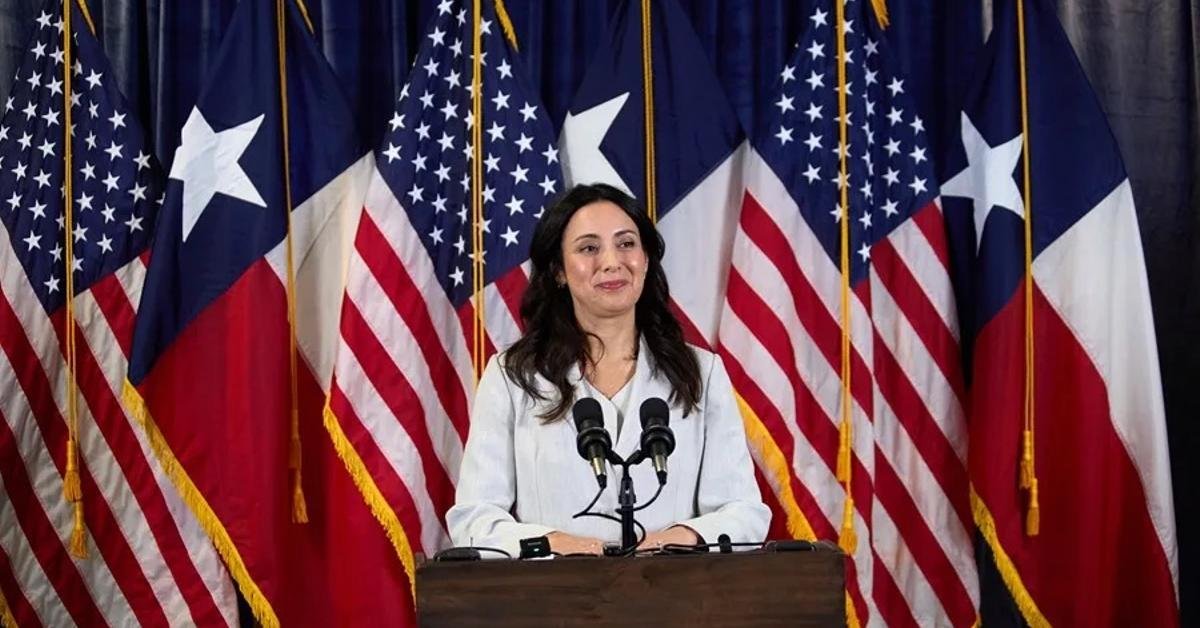
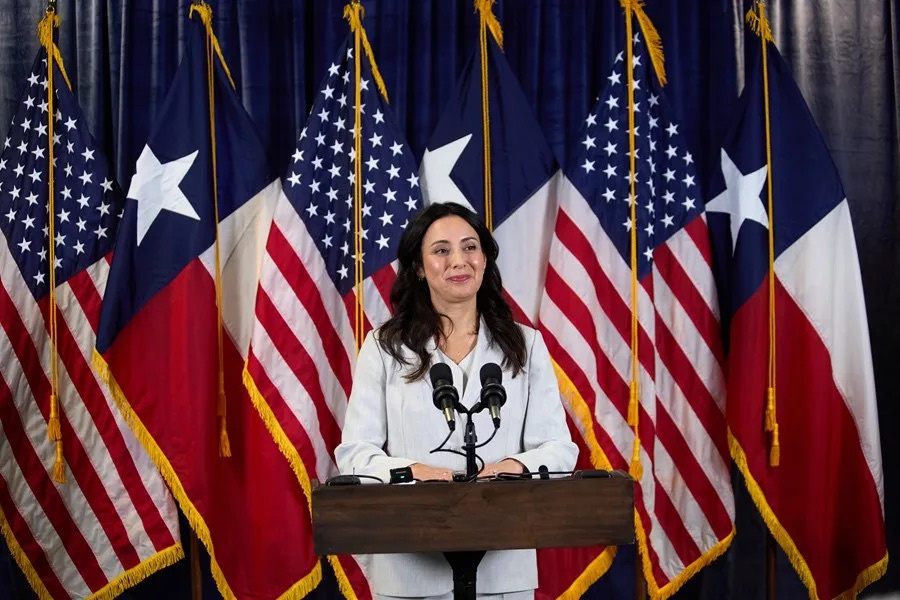
The shift was also reflected in the races for the House of Representatives. In Texas’ 23rd District, which straddles the border with Mexico, Democrat Katy Padilla Stout defeated Republican Brandon Herrera, with 52.1% of the vote to 44%.
His victory was added to that of Bobby Pulido in the 15th district and those of other Democrats who won four of the five seats that the Republicans had redrawn in the state to try to expand their representation in Congress.
The campaign was marked by ICE immigration operations, which included arrests and altered the activity of meat processing plants.
In southwestern Kansas, Ford, Finney and Seward counties, traditionally Republican and with large immigrant ranching communities, leaned Democratic in the Senate race.
The campaign was marked by the immigration operations of the Immigration and Customs Enforcement Service (ICE), which included arrests and altered the activity of meat processing plants.
The AP Voter Poll, compiled by SSRS from more than 100,000 voters, reflects the change on a national scale: about six in ten Hispanic voters supported the Democratic candidate for the House of Representatives, compared to approximately a third who supported the Republican.
In 2024, Trump had won about four in 10 Latino votes, according to AP VoteCast data. For its part, the UnidosUS organization estimates that up to 14.5 million Latinos participated in these elections, a record number.
The shift also reached Florida, and although Republicans maintained control, for example, Miami-Dade and Osceola, two counties with important Hispanic communities where Trump had made gains in 2024, moved 19 points towards the Democrats in the Senate race.
The results do not necessarily point to a permanent realignment of the Latino electorate, according to pre- and post-election analysis
However, that change was not enough for progressives to conquer the state, where Republicans maintained positions in Hispanic-majority districts.
The results do not necessarily point to a permanent realignment of the Latino electorate, according to pre- and post-election analyses.
In an article published on October 30 at the Miller Center at the University of Virginia, researcher Cristina López-Gottardi Chao had warned that the preferences of these voters were increasingly less predictable and that the Democratic advance in the polls should not be confused with a consolidated return to that party.
That reading found support in post-election data published on November 4 by UnidosUS and the Latino Community Foundation, based on a survey conducted by BSP Research of 3,014 Latino voters.
The study concluded that the shift toward Democrats was driven primarily by economic discontent and rejection of the administration’s immigration policies, rather than partisan identification, and noted that voters expect responses from both parties to their concerns.