Bed shortages at the Queen Elizabeth Hospital (QEH) are leaving patients waiting for admission and limiting planned surgery as its Accident and Emergency Department (A&E) faces growing demand, hospital officials have said.
Poorly managed chronic illnesses, an increase in trauma cases, respiratory infections and elderly patients who cannot be discharged are putting mounting pressure on the department.
The challenges have been compounded by the loss of ward beds because of structural damage and mould, contributing to a backlog of patients awaiting admission and limiting the hospital’s capacity to perform elective surgery.
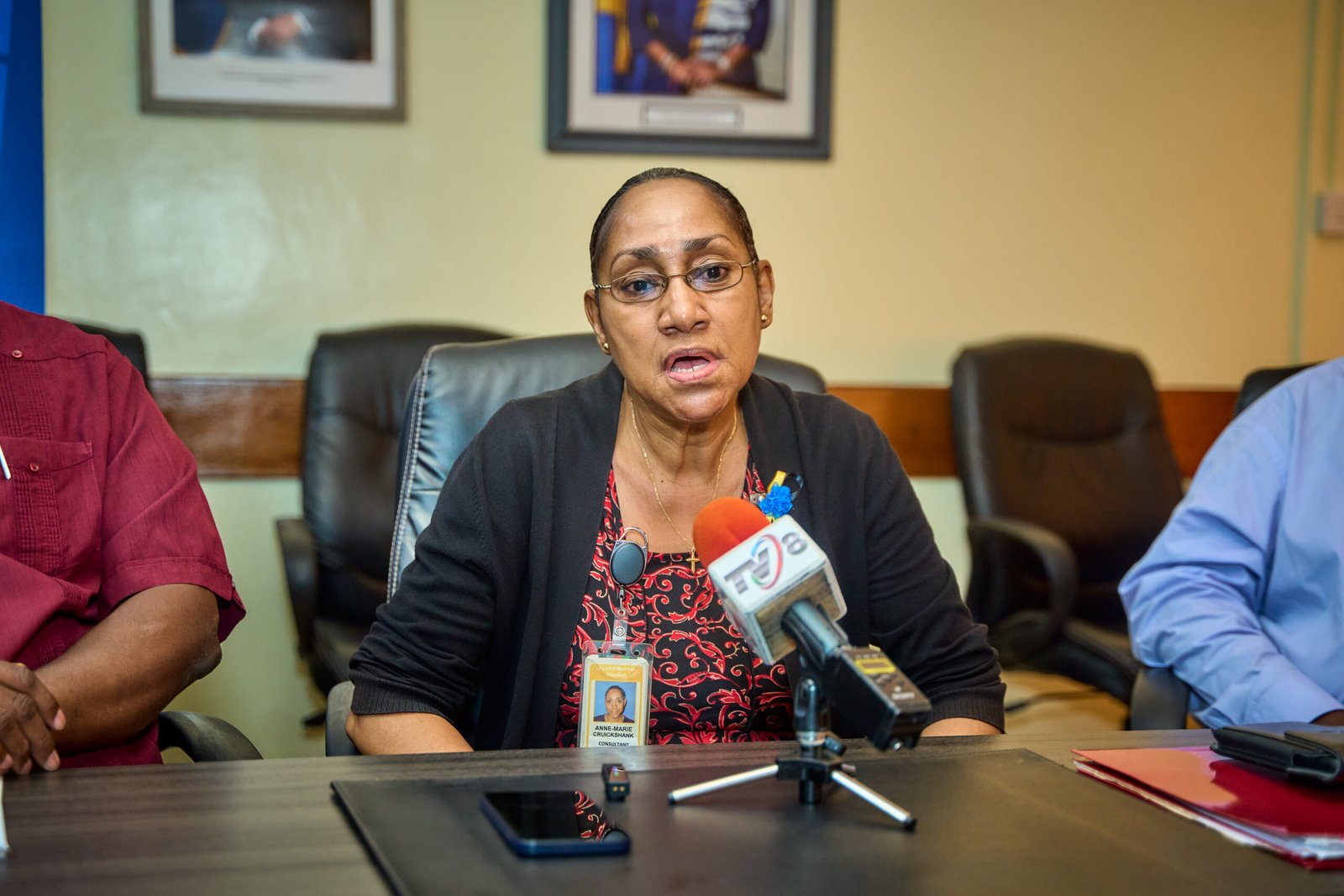
In a press conference on Tuesday to address the surge in patient numbers, consultant and head of A&E Dr Anne-Marie Cruickshank said the department was seeing an increase in patients suffering complications from non-communicable diseases, including heart attacks, strokes, heart failure and trauma injuries.
Consultant and Head of A&E Dr Anne-Marie Cruickshank (Photo by: Shamar Blunt)
She expressed concern that patients were not adequately managing their chronic conditions, failing to attend primary care appointments, take medications as prescribed or follow dietary recommendations.
“These patients take a lot of time and supplies and equipment to manage,” she said.
Trauma cases were also placing significant demands on the department’s staffing and resources, with Dr Cruickshank pointing to an increase in motor vehicle accidents, gunshot wounds and stab injuries.
She said the department managed an external mass casualty incident on Sunday involving two motor vehicle accidents and seven casualties.
“That takes a lot of manpower to manage seven casualties at one time,” she said, noting that the increased workload resulted in longer waiting times for other patients seeking care.
Dr Cruickshank urged motorists to exercise caution and avoid driving under the influence of alcohol, and encouraged people to manage their frustrations and aggression appropriately.
She also highlighted concerns about elderly patients, noting that 65 per cent of A&E patients were over 65.
While many could return home or to their communities after being treated and stabilised, she said the hospital was increasingly encountering difficulties when family members were contacted to collect them.
“We are told that they can’t take them back, and as a result of that, we have the abandonment of the elderly, not only in the A&E but also in the hospital on a whole,” she said.
Dr Cruickshank stressed that A&E was an acute care facility and was not equipped to accommodate elderly patients long term.
The department was also seeing a considerable number of respiratory infections, particularly influenza, among elderly people and very young children, who were more vulnerable to severe illness and hospitalisation.
She urged caregivers to adopt precautions used during the COVID-19 pandemic, including wearing face masks, practising proper hand hygiene and using hand sanitiser to reduce the spread of infections.
Director of Medical Services Dr Carlos Chase said the hospital was caring for 40 patients requiring ventilator support, while another 55 patients no longer needed acute hospital care but remained admitted awaiting discharge.
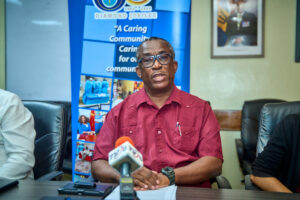
Director of Medical Services Dr Carlos Chase (Photo by: Shamar Blunt)
The situation has worsened due to the temporary loss of ward beds after a fire damaged wards C7 and C8, and mould affected ward B4.
The reduction in available beds had significantly affected the movement of patients from A&E to the wards, contributing to the department’s backlog and affecting elective surgical procedures, Dr Chase said.
Patients undergoing surgery often require a hospital bed for one or two days after their procedure, he explained, meaning the availability of ward beds directly affects the hospital’s ability to accommodate planned operations.
But he said remedial work was progressing, with work on wards C7 and C8 expected to be completed within a month.
Dr Chase said the hospital hoped to fully reopen the affected wards within one to two weeks, subject to the completion of remediation work and capacity considerations.
As beds return to service, he said the hospital expected elective surgeries to return to previous levels.
He said: “Hopefully within one to two weeks we’ll open up completely. We’ll do all our elective surgeries or most of them going forward again depending on capacity issues once things are remediated.”
(SB)