Painted wood… contaminated barrels and water of unknown origin
father-in-law
Expressiveness
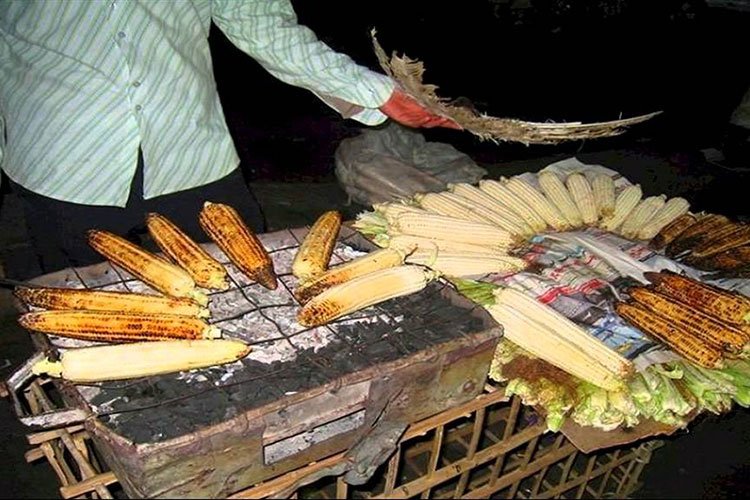
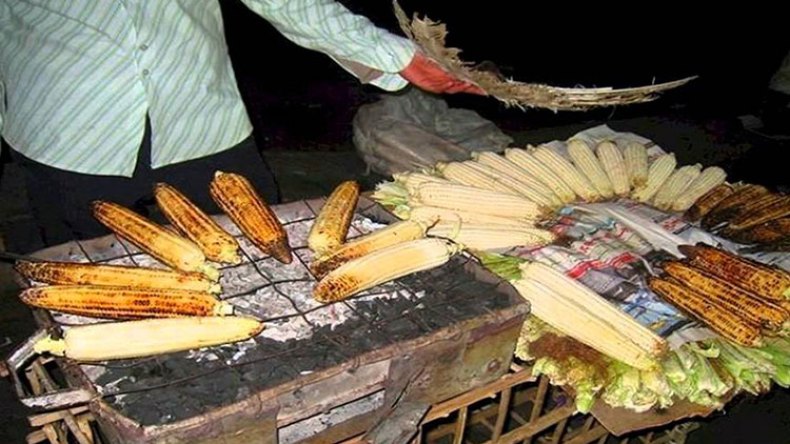
The conditions in which some vendors prepare grilled corn on the roads of Setif Province raise health and environmental concerns, due to the use of wood of unknown origin, including the remains of painted carpentry, containers not intended for food, and water of unknown suitability, in addition to setting fires near green spaces and leaving barbecue waste on the edges of the roads.
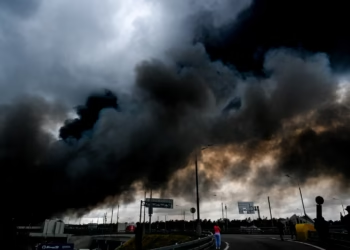
An inspection of these points, which are spread especially at the entrances to the cities of Setif and Alma and within urban areas, reveals practices that go beyond mere random selling, as used iron barrels, some of which were intended for storing oils, are transformed into primitive ovens that are filled with different types of wood, including pieces bearing traces of paint or chemical treatment, which release toxic substances when burned. As flames rise under the corn, smoke spreads into the ocean, amid questions about the nature of the burning materials and the impact of their emissions on the health of consumers.
Preparation conditions in turn raise question marks, especially when some vendors use buckets that were intended for paint to conserve water or prepare the salt added to the corn. These containers were not designed for food use, and cleaning them apparently is not sufficient to ensure that they are free of chemical residues. Leaving it out in the open, near dust, insects, and stray animals, increases the risk of contamination of its contents, especially when the water source is unknown or unmonitored.
The consumer finds himself in front of a ready-to-eat product, without being able to know the source of the water or the quality of the wood used, at a time when corn is being grilled along the roads, and the smoke of stoves interacts with car gases and flying dust. Citizens say that they do not object to an activity that provides a source of livelihood for young people, but they demand its regulation and the imposition of cleanliness and safety conditions, especially with regard to the type of fuel and used containers and the place of sale. Some of them also point to the scene left behind by these points after the end of the activity, where pieces of charred wood, ash, and charcoal remains are scattered on the edges of the roads, turning into an additional source of ocean pollution and distorting the general view. Some vendors also resort to collecting twigs and breaking tree branches to provide firewood, while setting fires near dry grasses and green spaces poses a danger as embers may fly and spread to the vegetation.
In light of these practices, there are calls from some citizens to monitor the conditions for preparing and marketing corn, ensure the suitability of water and containers, prevent the burning of painted and treated wood, and move stoves away from forests and green spaces, while obligating vendors to collect their waste and completely extinguish the fires. There remains an urgent demand to regulate this commercial activity, which provides a resource for some young people, and to move it from randomness to organized spaces that protect both the consumer and the environment, so that a simple meal bought on the side of the road does not turn into a potential source of health risk and environmental pollution.