Can a State of Emergency stop the bloodshed, or will it simply sweep more people into detention without charge? After seven murders were reported in one violent weekend, the government has placed several communities in the Belize and Cayo districts under emergency measures. Police are targeting roughly sixty people whom they say are connected to ongoing investigations and gang violence. But families caught in the operation insist some detainees are innocent, and they are threatening to take the government to court. News Five’s Paul Lopez examines the crackdown, the controversy and the legal questions surrounding this latest State of Emergency.
 Paul Lopez, Reporting
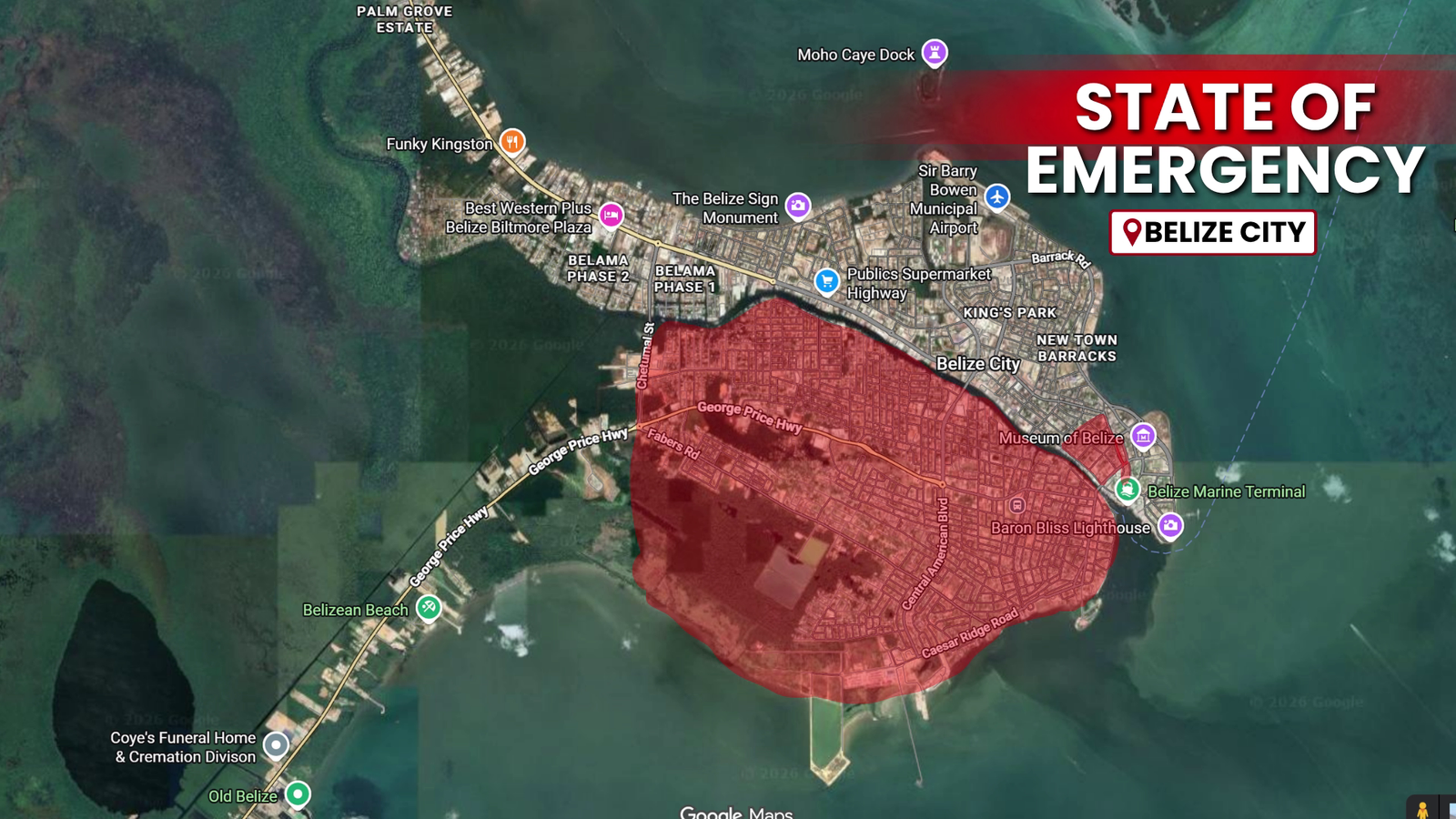
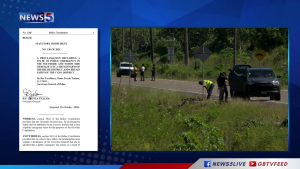
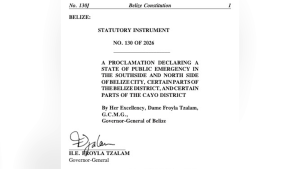
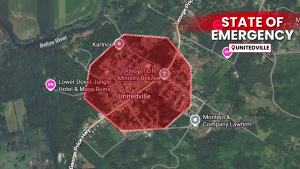
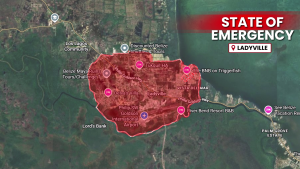
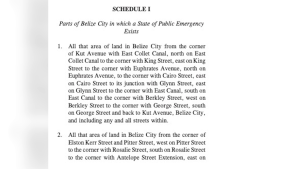
Tonight, police have sweeping powers across several communities as the government attempts to contain a deadly surge in violence. The State of Emergency covers Southside Belize City, a section of Northside Belize City, Ladyville, Cotton Tree and Unitedville. Governor General Froyla Tzalam signed the declaration on Saturday, stating that a public emergency had arisen that could endanger public safety. By Sunday, Minister of National Security Michel Chebat and Commissioner of Police Dr. Richard Rosado were explaining why the government had taken such an extraordinary step.
Michel Chebat
Michel Chebat, Minister of National Security
“Over the past month we have experienced an upsurge in the number of shootings and murders in these areas. The citizens of our country deserve to know what is being done to reduce the level of criminality we have experienced and thereby increase citizen security.”
 Police say this is not a blanket operation driven by suspicion alone. According to Commissioner Rosado, verified intelligence points to coordinated gang activity and a cycle of retaliatory violence stretching across parts of the Belize and Cayo districts.
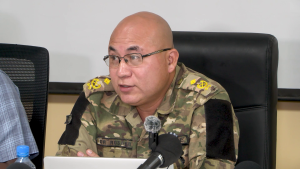
Richard Rosado
Dr. Richard Rosado, Commissioner of Police
“It is the direct result of verified intelligence, demonstrating that Belize City, part of rural Belize District and part of the Cayo District are facing a level of coordinated, retaliatory gang violence that meets the strict constitutional threshold of Section 18.3, a threat of such nature and scale that it is likely to endanger public safety and disrupt essential services.”

The declaration follows one of the country’s bloodiest weekends in recent memory. Seven murders were reported between Friday and Sunday morning, amid multiple shootings that police have linked to gang rivalries. Officers have already detained several people, and many more could soon be taken into custody. Rosado says police have prepared files for approximately sixty individuals.
 Dr. Richard Rosado
“Our detention is constitutionally tied to ongoing investigations and it is based on investigative leads and intelligence from proactive policing, hence the detention. The files we have created for individuals who will fall under the SOE, I believe it is approximately sixty, but most have not been detained as yet.”
But as police widen the operation, some families say the authorities are targeting the wrong people. One Belize City relative says several members of her family were already detained before the State of Emergency was declared. She questions how holding them longer will stop the violence when killings have continued.
 On the phone: Relative of Belize City Detainee
“Troy the in here for a hundred and something hours from last Sunday. Tyril and Tray the een yah from Wednesday. Deh two the in yah for ninety-six hours, if the bway deh the een yah for ninety-six hours, deh the een yah lock up and last night people still the dead. So, what deh the try seh, state of emergency wah solve that. That wah never solve, people wah still the dead.”
She says her family plans to challenge the detentions in court.
 On the phone: Relative of Belize City Detainee
“I feel angry, I feel very angry, but I nuh got nothing to tell the police. We wah just take it to the court, sue deh, that is what they like.”
The relative also claims heavily armed officers returned to her home searching for a man who was already in police custody. She says the encounter frightened her young child.
On the phone: Relative of Belize City Detainee
“Deh come dah my house again last night come look for the detainees weh done detainee.”
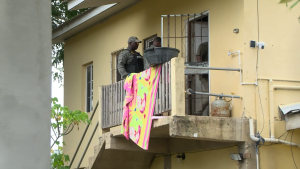 Reporter
“So they came to your house, what did they do when they came?”
Relative
“They said they came to look for somebody.”
 Reporter
“How did they approach your house?”
Relative
“Big guns. My baby one, she wah two and she said that she is afraid. She fraid for the big gun.”
Reporter
“Looking for?”
 Relative
“Troy Augustus, who is detained from Sunday, from last week Sunday. That dah harass, because unu have unu thing to know their name is already on the paper, so how unu wah detain someone that is already detained?”
In Unitedville, another mother says police detained her son, even though she insists he has no history of causing trouble. Beyond the detention itself, she fears her son could lose his job and leave his pregnant wife and young children without support.
 On the phone: Relative of Unitedville Detainee
“Deh seh forty-eight and I know State of Emergency is more than forty-eight. And I am telling you the truth that God loves, if they lock up my son for more than forty-eight hours, for a whole two weeks or a month, I wah get a lawyer and I will sue them, because my son will lose his job. Ih have a wife weh pregnant and I have four-year-old baby, and a six-year-old baby. This wrong, deh police the harass innocent people. Who deh fih guh harass, they don’t harass.”
Those complaints are unfolding against an already complicated legal backdrop. The government’s use of emergency detention powers is facing renewed scrutiny after the Court of Appeal declared a 2020 State of Emergency unconstitutional. That decision is expected to go before the Caribbean Court of Justice. Despite the uncertainty, Minister Chebat says the government cannot afford to take any crime-fighting option off the table while the violence continues.
 Michel Chebat
“We are aware that the decision of the Court of Appeal is going to go before the CCJ. So we know we are pending that. But it is one of the tools police has that it can use to control the violence it is experiencing and at this time, because of the level of violence we are experiencing, we must exhaust all tools we have to fight crime.”
For now, police are pressing ahead with the detentions, even as families prepare for possible legal action. The government says the sweeping operation is necessary to restore order. Its critics argue that public safety cannot come at the expense of constitutional rights. Whether the State of Emergency can stop the killings, and withstand another court challenge, remains to be seen. Paul Lopez for News Five.
Attention readers: This online newscast is a direct transcript of our evening television broadcast. When speakers use Kriol, we have carefully rendered their words using a standard spelling system.
Watch the full newscast here: