
The Minister of Institutional Relations, Ladislau Baróremembered yesterday the words of the Cardinal Pietro Parolin in Andorra on Meritxell Day 2023when he referred to abortion and the beginning of contacts to find a “satisfactory” solution for everyone. It has been a “long and complex road” as predicted by the representative of the Holy Seehe admitted baronand now the route climbs the final stretch after the Government has closed a text with “the firm conviction” which represents an advance in women’s rights, without compromising the institutional architecture. The balancing exercise has materialized with a modification of the second section of article 117 of the Qualified Law of the Penal Codewhich to this day sets a prison sentence for the woman who “produces her abortion or consents to another person causing it”. With the modification, this section points out that “it is not punishable” for the woman “given the personal, social and emotional situation in which she is, exempt from a criminal punishment”, explained the minister. The first section and the responsibility on the doctor remain intact: “whoever causes an abortion on a woman with her consent must be punished with a prison sentence of three months to three years and disqualification from practicing any health profession for a period of up to five years”. baron argued that it had been concluded that exempting the healthcare professional was a red line that he crossed against the constitutional protection of the right to life and the ban on abortions in Andorrawhich was clear that it had to be maintained: “It is a limit that our institutional system does not allow to be transgressed.” Yes, it had been on the table to introduce the decriminalization of those who offered advice, but “it is a model that we ended up realizing that it had difficulties”.
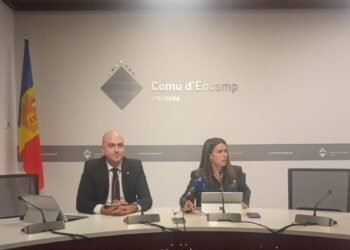
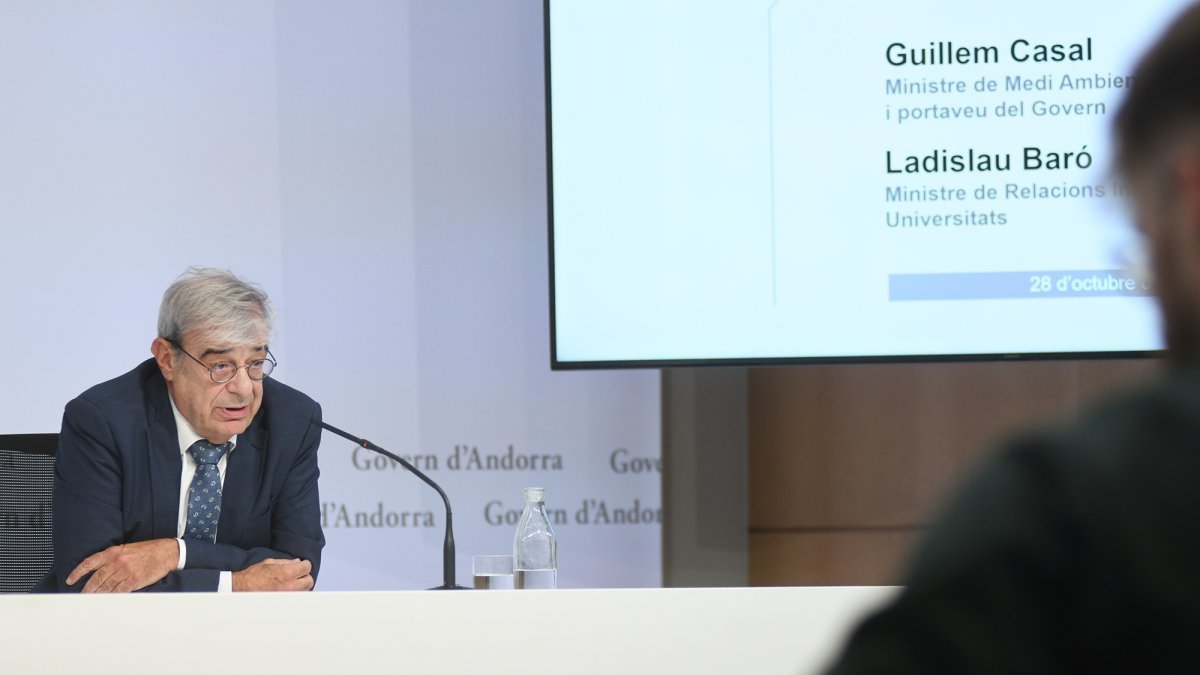
The minister yesterday, during the presentation of the change to the Penal Code.
“The woman is not punishable given the personal, social and emotional situation in which she finds herself”
The minister defended the value of the text validated by the council of ministers: “It has relevance on the one hand for Government and the majority to fulfill a major political commitment and also a very intense social relevance, it can end up strengthening our institutions, in addition to contributing very clearly to advancing women’s sexual and reproductive rights“. The parliamentary procedure will be through the emergency route, which allows the deadlines to be cut in half, but at the same time “gives time for parliamentary work to draw up amendments”, he pointed out. The objective is that the amendment that will be introduced today in the Council “can prosper this legislature”. On whether the opposition has been informed, the person in charge of Institutional Relations he pointed out that not specifically that it was approved yesterday, but in previous contacts they had already been explained the spirit of the proposal that would end up being made concrete, that of “not adding an additional punishment to the woman who has to make a decision” without straining the seams of the institutional system. It is, the minister continued, “a very important step forward both internally and externally organizations such as the United Nations or the Council of Europe“, particularly insistent that Andorra must resolve a situation that affects women’s rights.
Women’s associations
The first assessment of the feminist groups was as expected considering the claims. Feminist Action and the Andorran Women’s Association (ADA) valued the step forward, but they agreed that it is insufficient. theADA warned that forcing women to move abroad maintains access difficulties. “We will continue to insist that this reform be the beginning of a path and not the end”, they defended. Feminist Actionin turn, said that “decriminalization without legalization is not guaranteeing a right”.