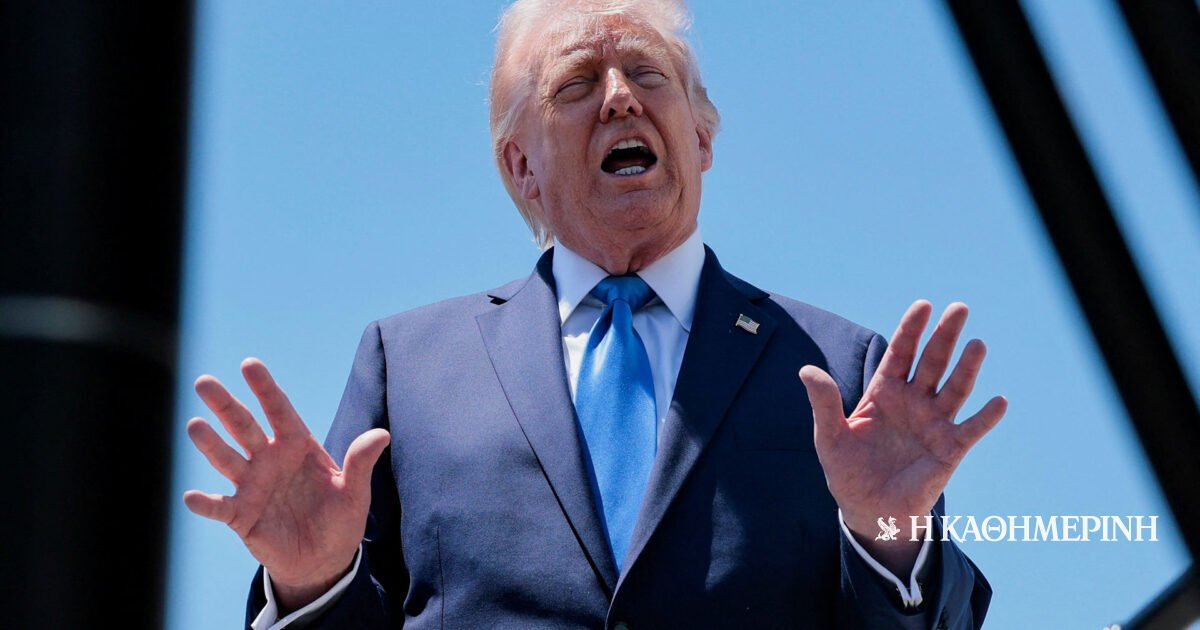
The president of USA Donald Trump abruptly canceled the planned trip of his envoys – Steve Witkoff and Jared Kushner – at Pakistanjust one day after he had announced it, sending a clear message that the conditions for a new round of talks with Iran have not yet been met.
US officials said that in the 14 days since the previous round of hours-long negotiations ended without a deal, Washington expected two key elements from Tehran: a concrete proposal to meet Trump’s “red lines” on the nuclear program and a clearer picture of who makes the decisions in the Iranian regime.

Until recently, there were signs of progress. “We have seen some progress from the Iranian side in recent days,” White House press secretary Caroline Levitt said.
However, this progress was deemed insufficient. The American president reportedly took the decision also in “cost-benefit” terms, considering that the flight of more than 17 hours is not justified by the limited chances of achieving progress.
At the same time, in Washington, the concern that internal disagreements in Iran, between moderates and hardliners, make it difficult to form a single negotiating line.
“There is intense infighting and confusion in their leadership,” Trump wrote on Truth Social, adding that “no one knows who is in charge. Not even themselves.”
The result is that the US and Iran remain without an agreement, but also without a clear sign of rapprochement. Trump insists that responsibility lies with Tehran, stating that “the US has all the bargaining chips”.
However, despite this rhetoric, it remains unclear how the conflict can be ended — and navigation in the Strait of Hormuz restored — without an agreement between the two sides.
The Iranian delegation left Pakistan
Meanwhile, Iran’s foreign minister left Pakistan after talks Abbas Aragchi and the Iranian delegation, as reported by state media.

As it became known from Pakistani government sources, during his visit to Pakistan, Abbas Araghchi conveyed to Pakistani officials the negotiating positions of Tehran and expressed the Iranian reservations on the American demands.
The head of Iranian diplomacy warned that Tehran will not accept “maximalist demands” from the United States.
Control of the Straits is Tehran’s “defining strategy”.
Iran’s Revolutionary Guards have said that controlling the Strait of Hormuz, a strategic sea route for global oil and gas supplies, is Tehran’s “defining strategy” in its conflict with the US.

“Controlling the Straits of Hormuz and maintaining the resulting deterrent effect on America and White House supporters in the region is the defining strategy of the Islamic Republic of Iran,” the Guards said in a statement posted on its official Telegram channel.