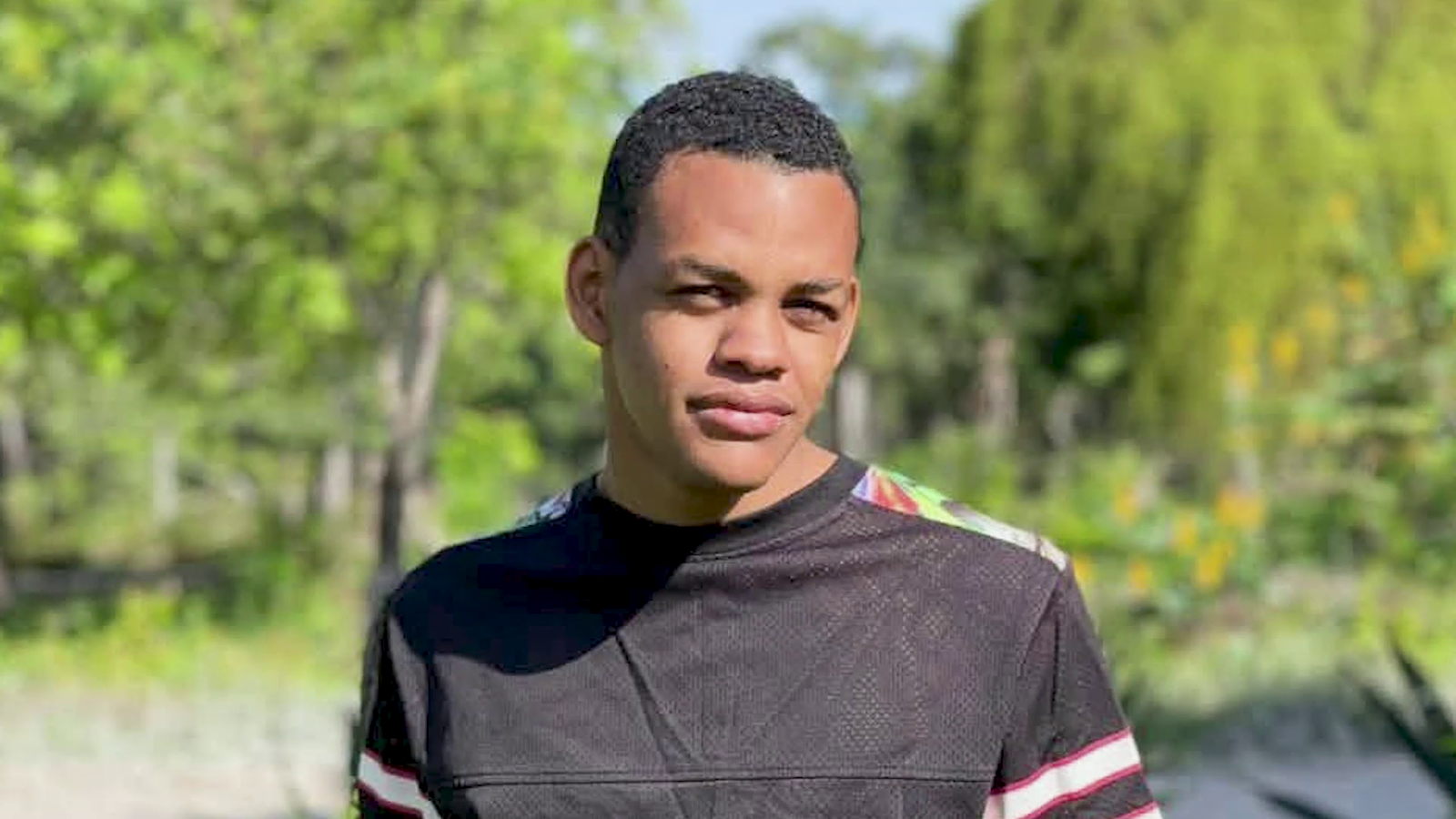
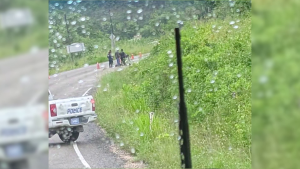
The death of twenty-one-year-old Jamir Arana is forcing renewed questions about how Belize responds when a vulnerable person goes missing. Arana, an autistic resident of Belize City, was reported missing Wednesday night. Hours later, authorities found him dead along the Hummingbird Highway in what police believe was a fatal hit-and-run. As investigators piece together his final movements, autism advocates are urging both the public and police to treat these cases with greater urgency. They say one timely intervention could mean the difference between life and death. Britney Gordon reports.
 Britney Gordon, Reporting
Every sighting and every phone call can matter when a vulnerable person goes missing. For twenty-one-year-old Jamir Arana, help came too late. Authorities found him dead along the Hummingbird Highway after he disappeared from Belize City. Police believe he was the victim of a hit-and-run. Diana De Leon of Autism Belize says his death has devastated the autism community.
Diana De Leon
Diana De Leon, Member, Autism Belize
“ When we saw the info being shared in the group chat that this person is missing and he’s autistic, that’s like every parent’s fear, you know? But for us with autistic children, it’s even a bigger fear because our children have, you know, that tendency to elope. And we’ve had cases, where the little boy died because of, you know, running out of school and whatnot, and it’s every autistic parent’s, like, worst nightmare, you know? Um, and many parents in the group chat were, like, praying that, you know, this person can be found. But sadly, you know, when we got the news that it was him that was found on the highway, it, it was very sad for everyone.”
Gabriel Orellano
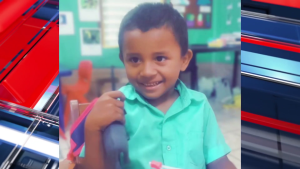
Arana’s death has also reopened painful wounds. Families and advocates still remember Gabriel Orellano and Xue Liu, two other autistic individuals whose deaths prompted similar calls for greater vigilance and protection. Following Orellano’s death, Adele Catzim-Sanchez, Chief Executive Officer in the Ministry of Human Development, warned that people sometimes see a vulnerable individual in distress but fail to recognize the danger or the need to intervene.
Adele Catzim-Sanchez
Adele Catzim-Sanchez, C.E.O., Ministry of Human Development (File: February 6th, 2025)
“One of the things that may have contributed to what happened Is related to a psychological term that is called unintentional blindness and basically in studying cases like this one, not to excuse it, but just to understand more, there are times when people are going about their daily lives and they focus and pay attention to what’s important to them. And so then it’s not an intentional act, but it’s unintentional that people might have noticed the child, but not really registered that this is a child that needs to be protected.”
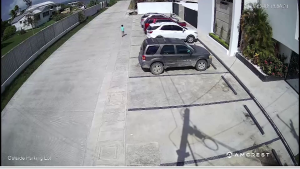 Although Arana was an adult, De Leon says he remained vulnerable and may have needed someone to recognize that he was in distress. She says the tragedy should push the public to learn more about autism, look beyond a person’s age and act when something does not seem right.
Diana De Leon
“I think that everybody needs to think about that a little bit more and have a bit more grace. You know, in this case, he, he was an adult, but even so, I’m pretty sure the people on that bus, there’s somebody there could have sensed that he wasn’t a typical person. They might have had little signs there.”
Police have since detained a male suspect and impounded a pickup truck believed to be connected to the fatal incident. Investigators are also urging people to report sightings of missing or vulnerable individuals immediately, rather than waiting until tragedy strikes. ASP Stacy Smith says people often come forward afterward to say they saw the missing person somewhere along the way. But by then, the opportunity to help may already be gone.
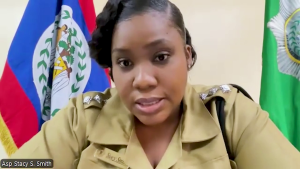
Stacy Smith
ASP Stacy Smith, Staff Officer (File: October 22nd 2026 )
“We have had previous incidents in the past with persons who were diagnosed with autism or, or even minor children of them eloping and meeting some unfortunate circumstance and it’s, it’s only after the fact that we see persons on social media saying, “You know, I saw this person here. I saw this person there. It can only take thirty seconds of your time to just place a call, but that call may result in saving someone’s life.”
Advocates say the same urgency must guide the police response. They argue that when an autistic or otherwise vulnerable person disappears, authorities should not treat the case like an ordinary absence or wait for an extended period before acting. For families now mourning another life lost, the message is simple: do not scroll past, do not assume someone else will help and do not wait. One phone call could save a life. Britney Gordon for News Five.
Attention readers: This online newscast is a direct transcript of our evening television broadcast. When speakers use Kriol, we have carefully rendered their words using a standard spelling system.
Watch the full newscast here: