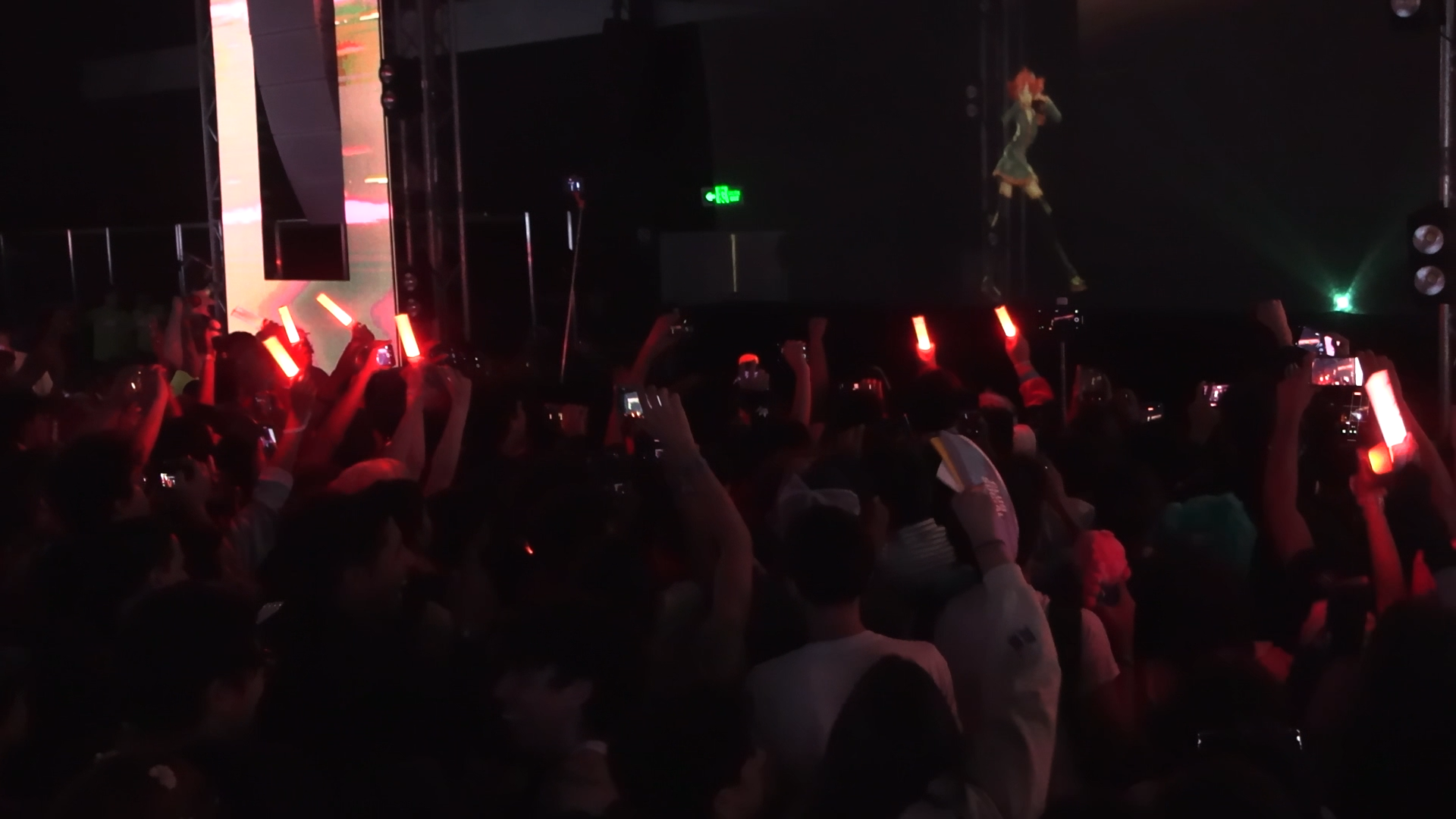
Kasane Teto he sang. He wasn’t there. And yet he was more present than most. It is a holography: a luminous figure, with pink hair and two rotating pigtails, that moves on the stage of the Decibeles hall while hundreds of teenagers raised their arms, filmed with their phones and shouted each note as if the singer could hear them.
The music boomed. Blue and violet lights split the air. There was sweat gushing. Also laughter, friendly pushes and a happiness that is difficult to explain to someone who has not spent an afternoon in a video game.
Outside, about a hundred meters away, the terrace of the Parque Cerro Verde Shopping Center was boiling under the Caracas sun. The heat stuck to the skin, overwhelming. Space and bodies accumulated temperature. Some fanned themselves with printed programs; others sought shade under the brands’ aluminum structures. But no one was leaving.
In the sixth edition of the Venezuela Game Show (VGS), Held between Friday, October 16 and Sunday, October 18, the discomfort of the weather outweighed the need to be there.
The VGS is the largest meeting of eSportsvideo games, cosplay and culture geek of the country. Admission is free and that information partly explains the crowd and why the event is considered a rare mass entertainment space without an economic barrier.
In a country experiencing an institutional, economic and social crisis, thousands of young people—and not so young—decided that for three days the only reality that mattered was the one projected on a high-definition screen.
A city within another city
The terrace looked like an improvised city. Screens, stages, gaming stations, food stalls, brand activations and lines that moved patiently. The air smelled of moisturizer, hot plastic, expired deodorant, and theatrical makeup dissolved by sweat.
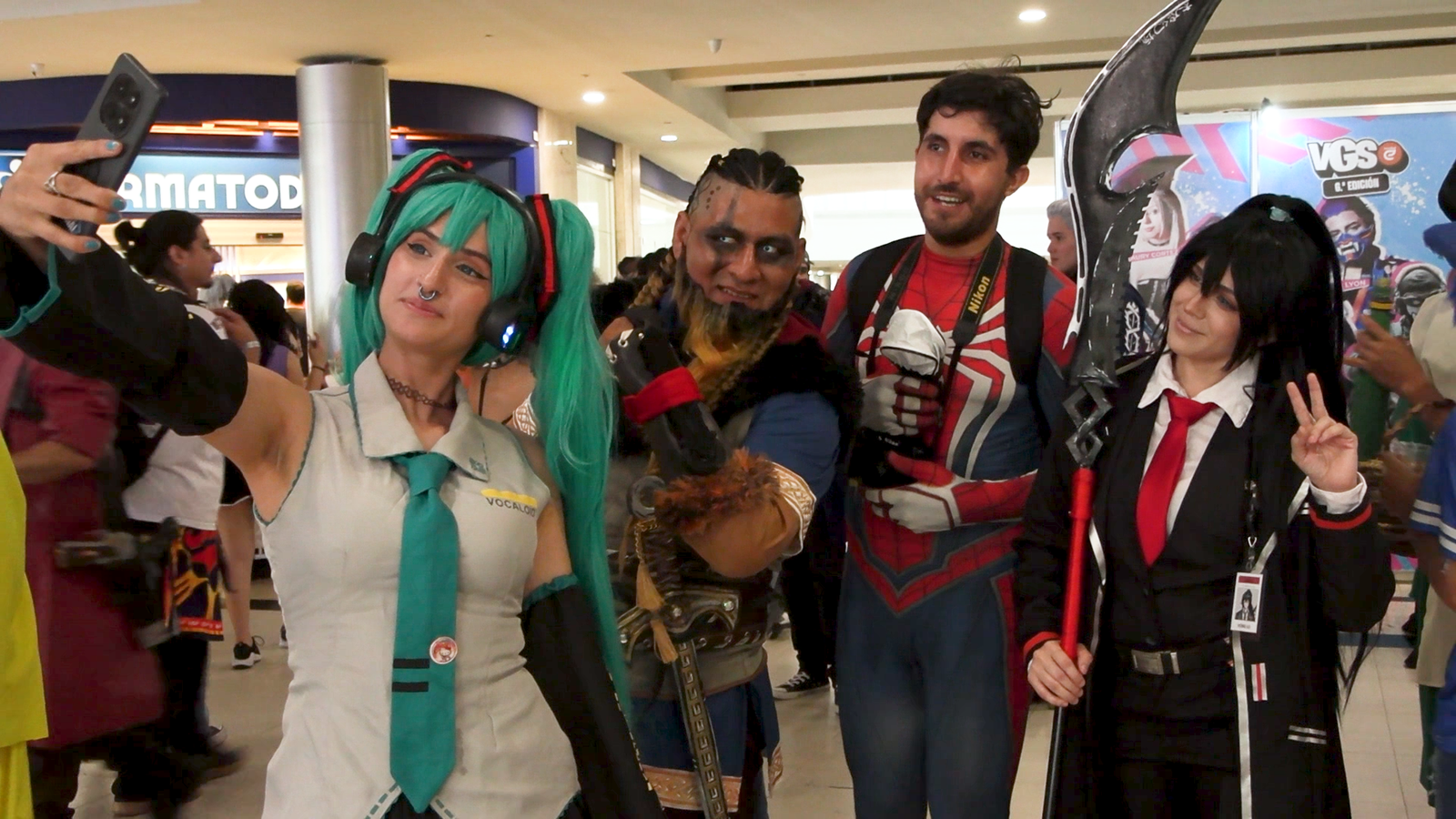
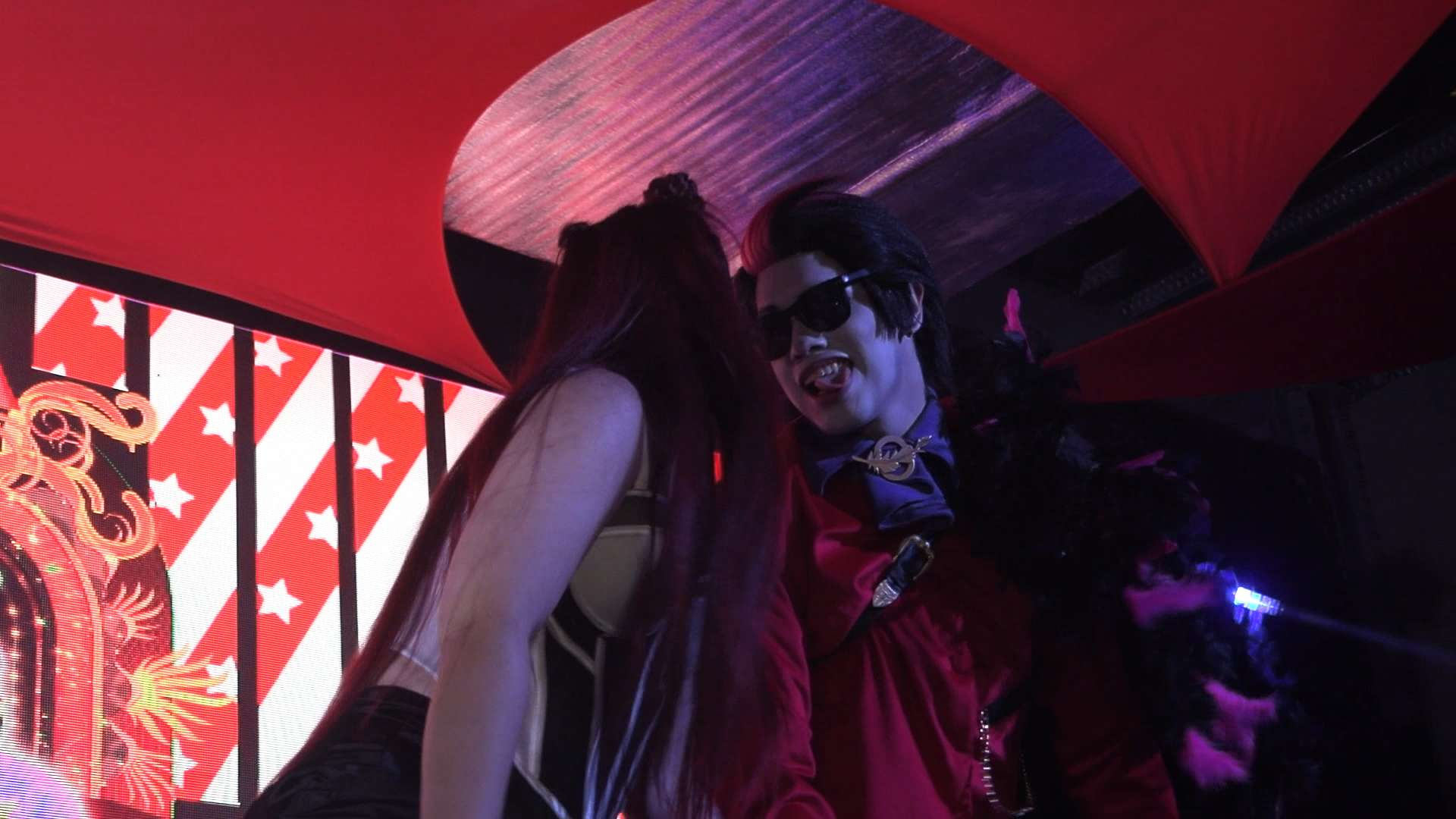
The costumes dominated the landscape. Zombies with torn clothes and skin painted with wounds. Snipers with helmets, tactical vests and staring eyes. Superheroes who posed with children. The Targaryens of game of Throneswith silver hair and capes that moved with the hot afternoon wind.
He cosplaythere, it was not dressing up for fun but as a form of interpretation: taking a character from an anime, video game, comic or series and building it with fabrics, foam, paint, wigs, contact lenses and hours of work. Whoever practices it does not only imitate an appearance. It represents a story. He embodies her. And, on the terrace of Cerro Verde Park, each suit worked as a password between strangers.
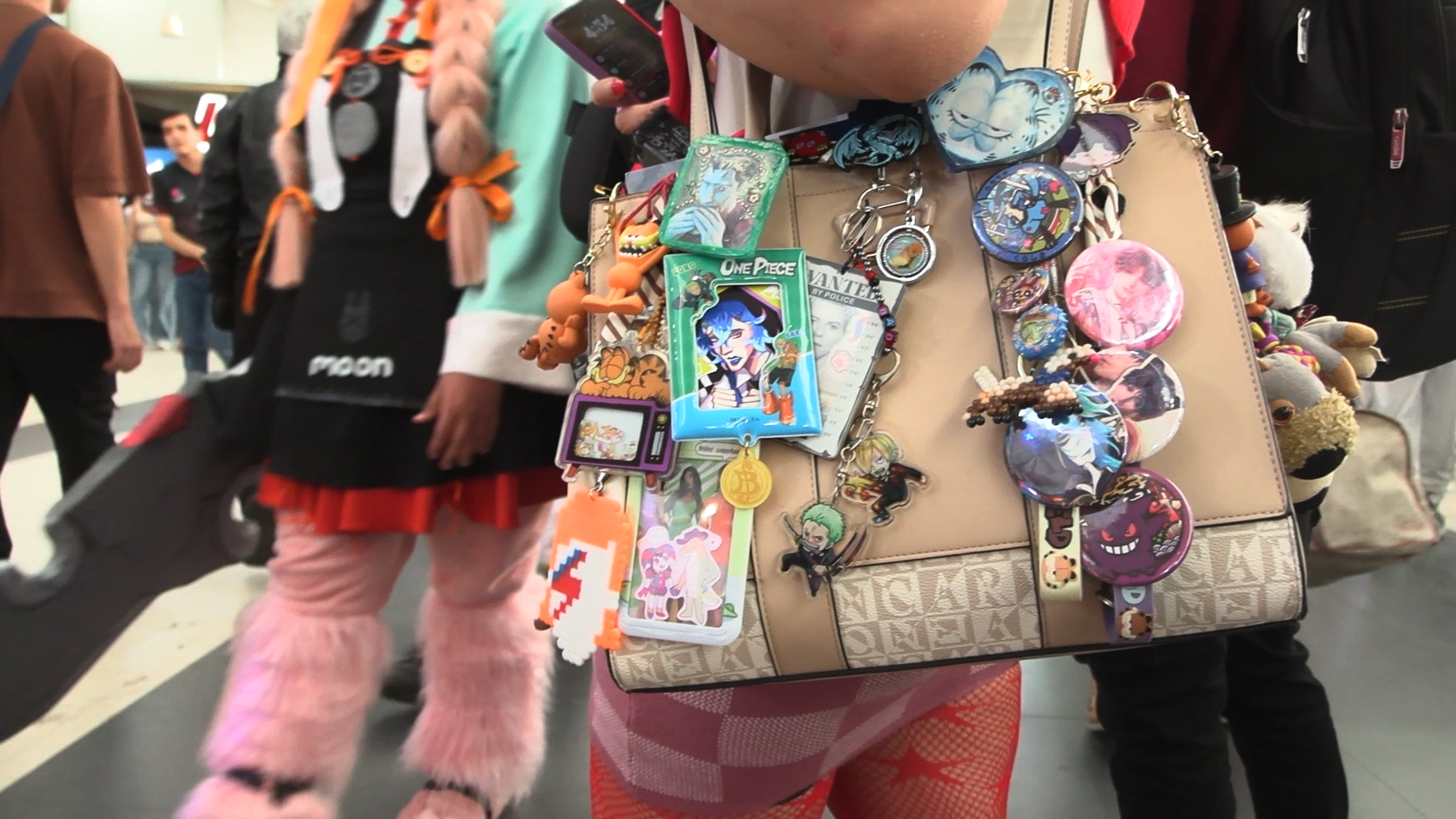
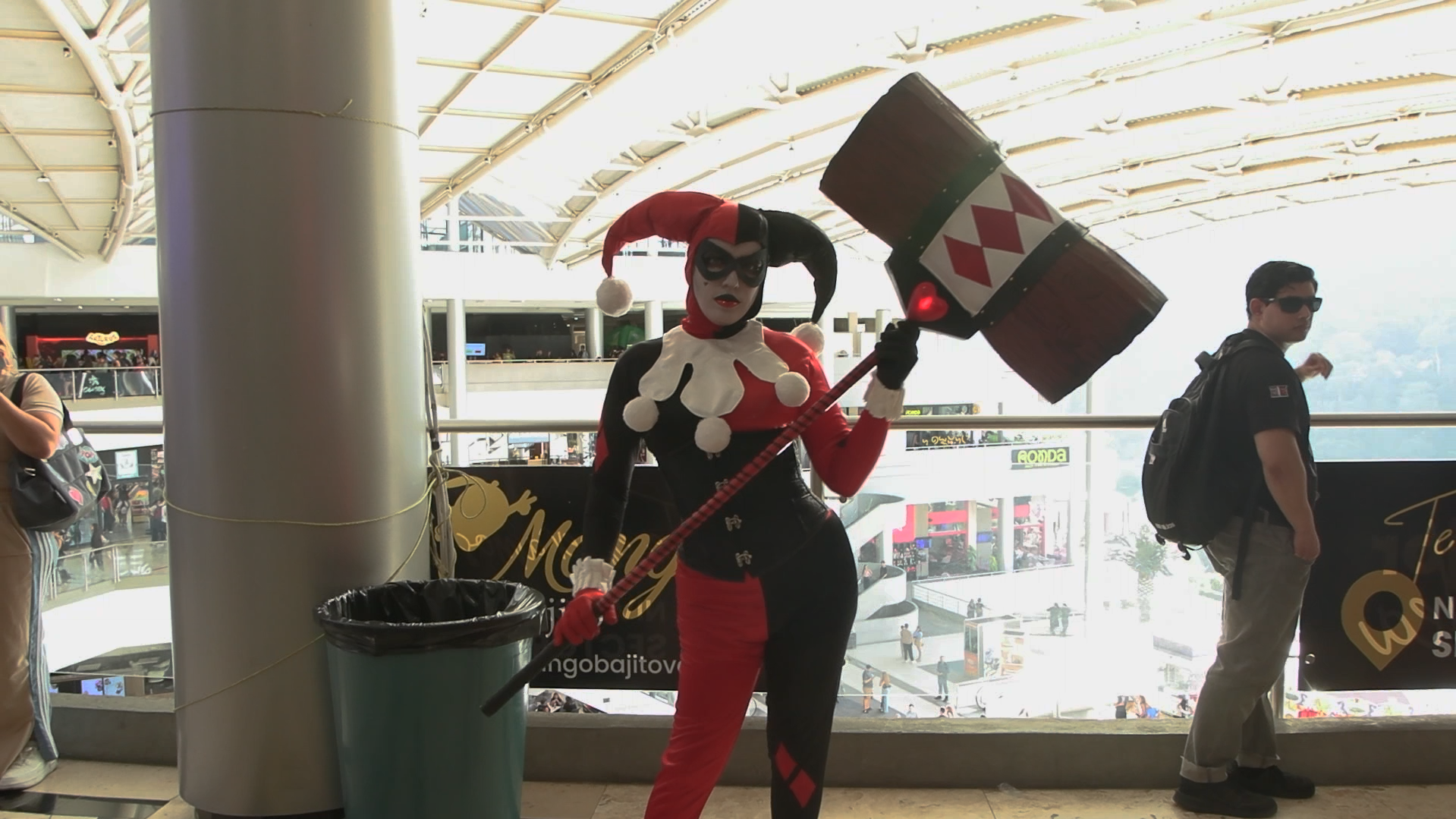
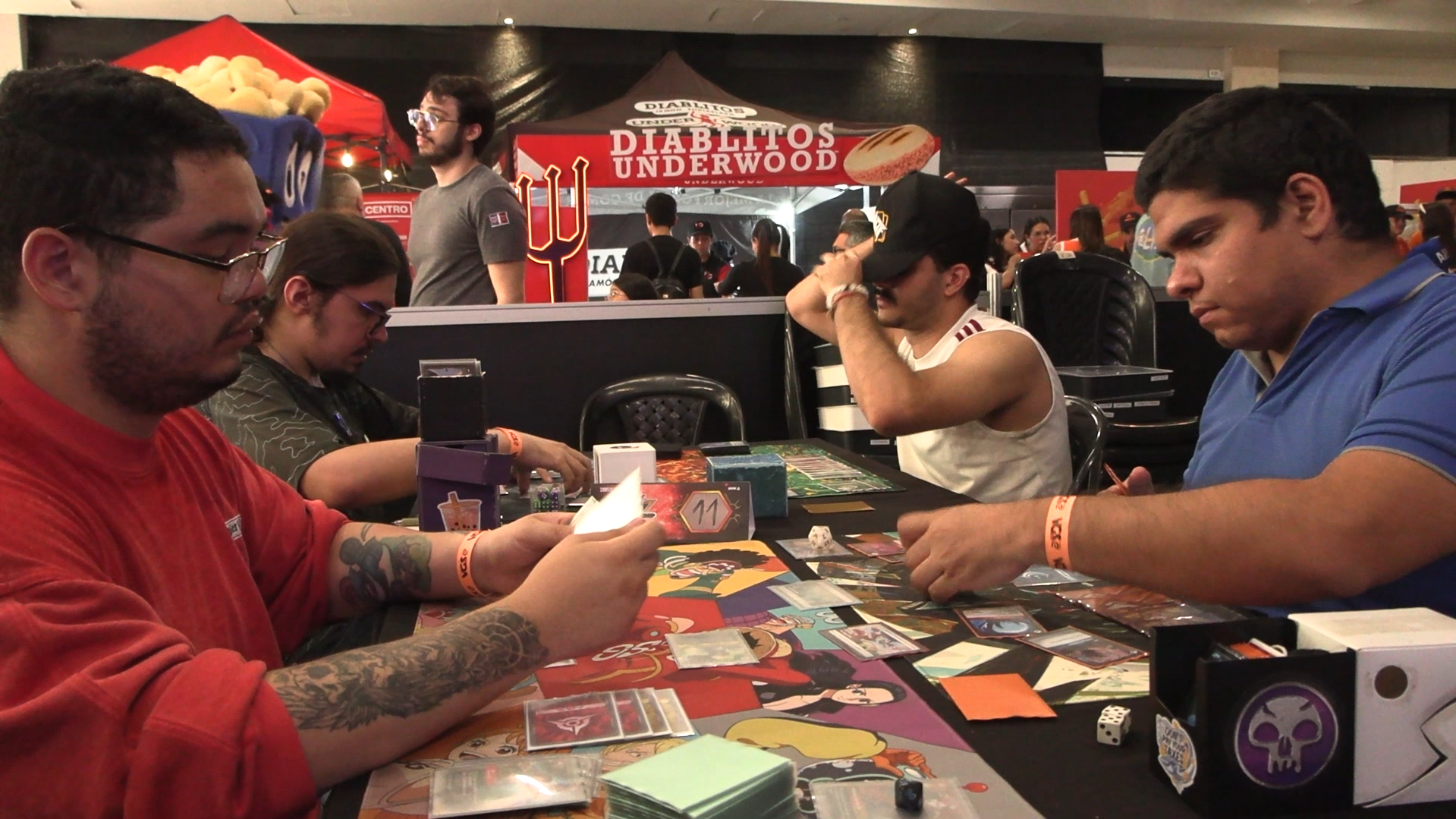
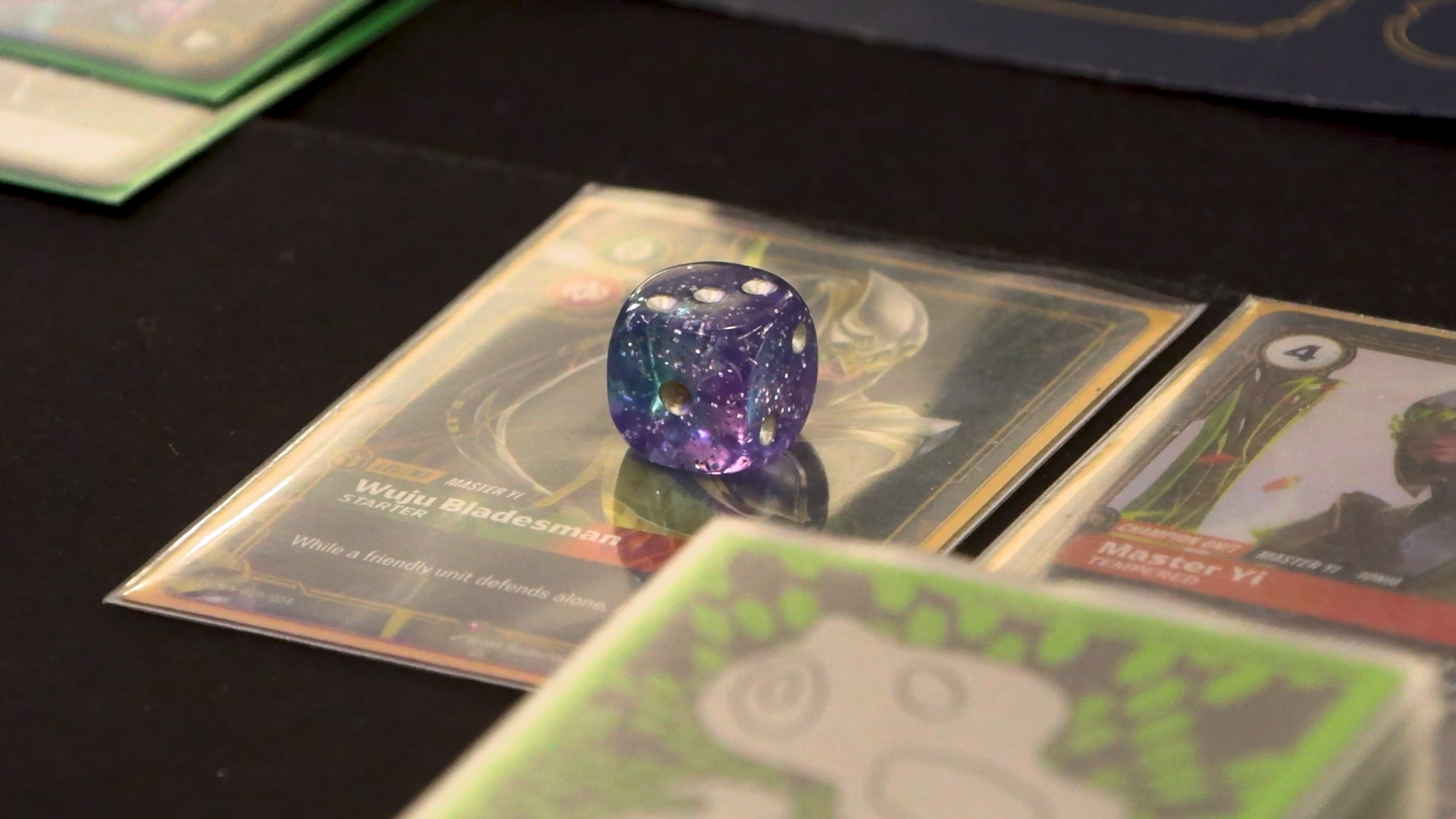
A girl was running towards a woman dressed as a fantastic warrior. The mother followed her, laughing. The character bent down, accepted the photo and gave it a theatrical gesture. Nearby, two young men were seriously discussing the price of a deck of cards. On the tables there were cards protected with polypropylene sleeves: historical characters from comics and video games, some with high values due to their rarity, preservation of printing or sentimental charge. It seemed like a market, but also a collective archive. Memories were traded there.
Children were plentiful. Also pets. There were families walking the halls, disproving the old idea that video games belong to a dark room and an isolated generation.
The VGS is also presented as a family experience and the scene confirmed it: grandparents taking photos, parents carrying collectible dolls, teenagers explaining, with burning eyes, the rules of games to parents who were trying to decipher what they heard without understanding anything, or almost nothing.
The sport that does not need a court
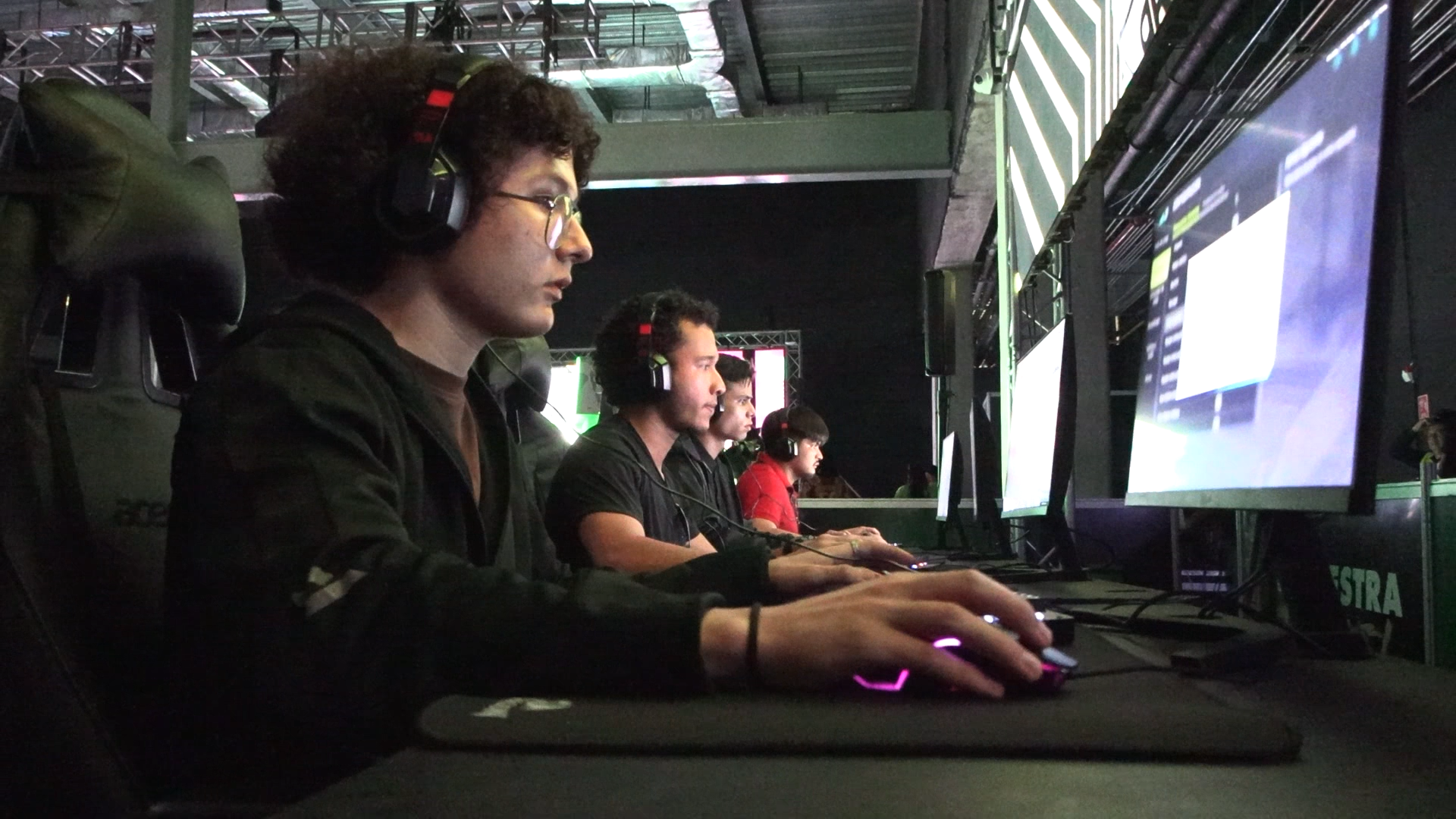
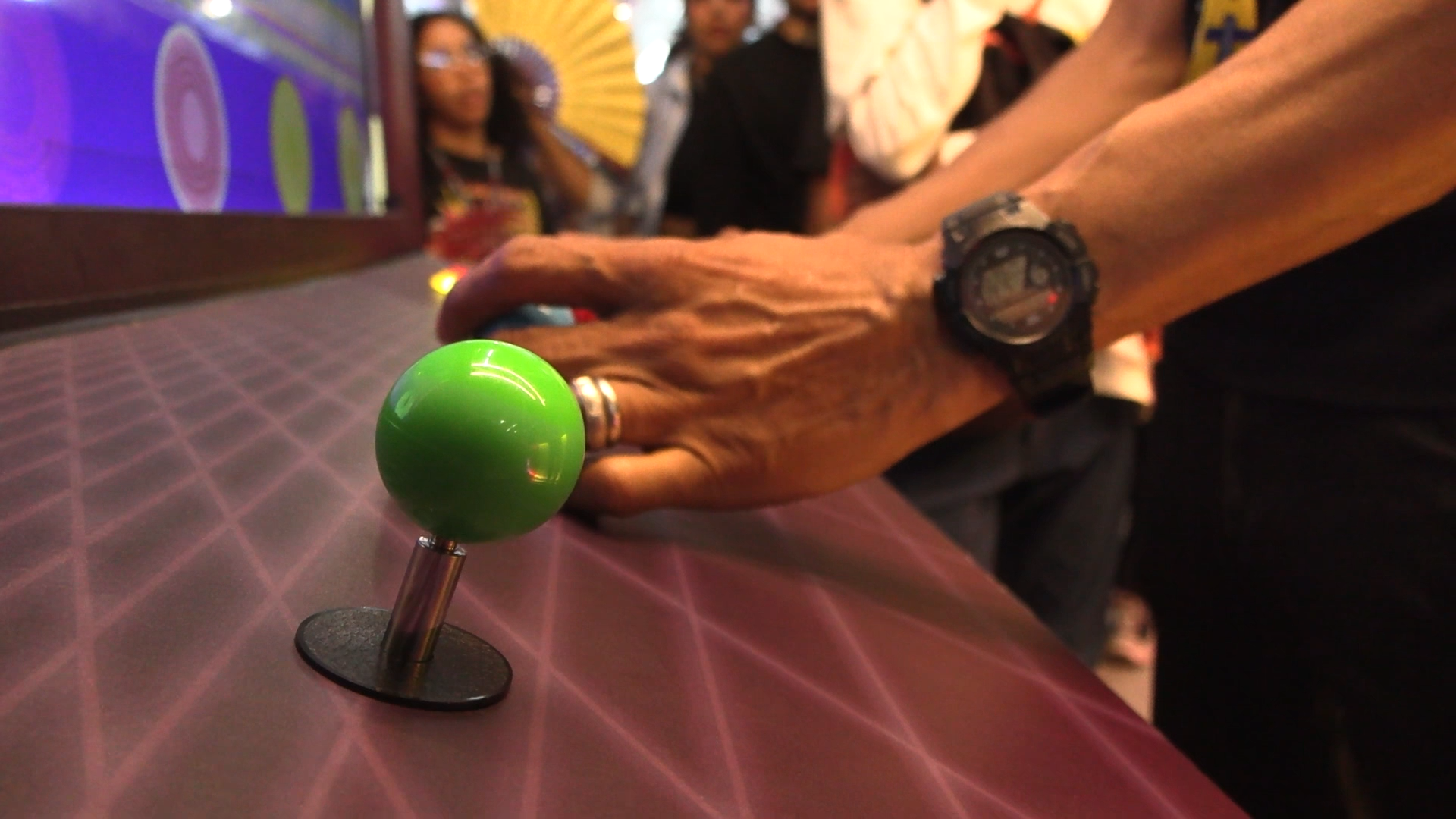
In one of the competition areas, the noise changed. There was no longer music or scattered screams, but rather concentration and dilated pupils.
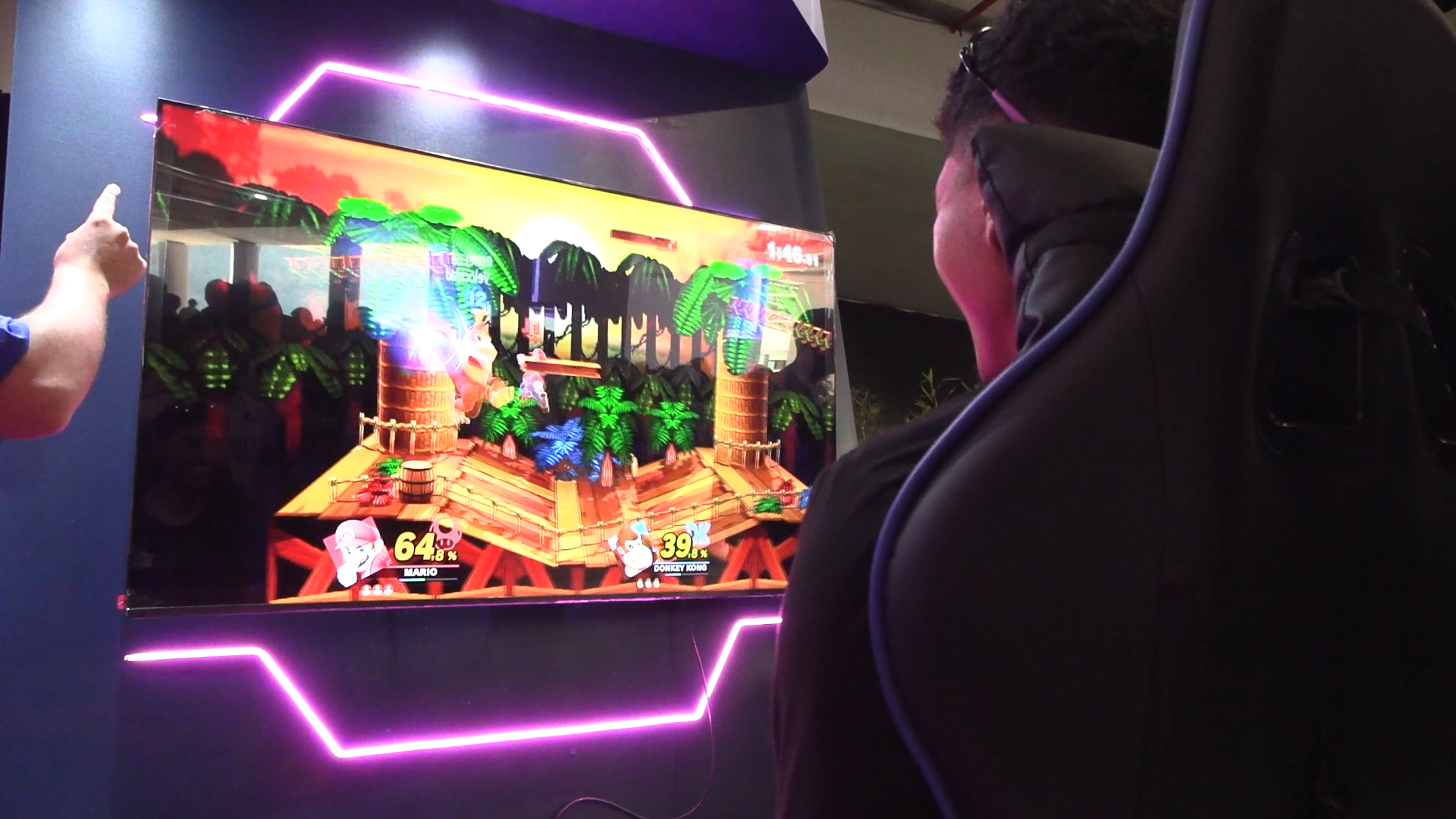
Players hunched over keyboards. Fingers tapped the controls with mechanical speed. The clicks were desperate, angry. On the screens, characters ran, shot, dodged, built, attacked. The audience watched in silence and then exploded.
Welcome to the universe of eSports o electronic sports: structured video game competitions where mental dexterity, millisecond reaction times and tactical team strategy replace traditional muscle.
They work with teams, training, strategies, tournaments, awards and audiences, just like football or basketball. The difference is in the field: it happens inside a console, a computer or a phone.
In Venezuela, this practice has grown despite the difficulties of connectivity and access to equipment. The improvement in fixed internet was notable in 2021, when the average speed increased 113% compared to the previous year, according to Ookla data cited by DataReportal.
Globally, electronic sports had an audience of 532 million people in 2022 and generated more than $1.38 billion in revenue, according to Newzoo. In Latin America, the projection for 2023 reached 70 million viewers. The region, in addition, arrived at 372.3 million players in 2025, with revenues close to $8.3 billion, according to figures cited by specialized media.
It’s not just numbers, it’s enough to see a young Venezuelan playing in a face-to-face final. He is not running away from reality. He’s building one. Learn to work as a team, to tolerate defeat, to read the opponent, to sustain pressure. In this way, the ecosystem refuses to die.
For many, the gaming It is also a way out; a space where talent can be measured regardless of last name, the sector where they live or money.
In this edition, the VGS allocated more than $50,000 in prizes for the winners of official tournaments. The finals were played live, in front of the public, with the tension of a sporting event and the intimacy of a community that is known by usernames rather than first names.
Heat, noise and belonging
On Sunday, attendance had already exceeded expectations. The previous edition brought together 30,000 people for three days. By 2026, the goal was to exceed that figure and reach 35,000 visitors. At 5:00 in the afternoon, with the event still underway, the organizers had already counted that amount. People kept coming in.
What happened at the VGS does not fit only into one statistic. It’s in the boy who arrived alone and met someone who recognized his disguise. In the girl who had been building armor for months and received applause from strangers when she showed it off. In the father who doesn’t understand anything about video games, but watched his son talk confidently about something he loves.
And this is how the event functioned as a temporary license to be different. No one questioned why an adult wore a cape. Nobody made fun of someone who knows a character’s full name. No one looked strangely at someone who spent hours discussing the rarity of a card. In a society accustomed to mistrust and quick judgment, that acceptance had a value that does not normally appear in sponsorships or posters.
The music accompanied that feeling. The band Headshot performed songs from The Legend of Zeldavideo game classics and sound mixes. Alma, The Musical He called on adults and children to sing. And the closure was carried out by the Juan José Landaeta Symphony Orchestrawhich brought video game soundtracks to violins, brass, and percussion.
The result was strange and moving: melodies born on screens filling a physical space with real people.
A country that plays
Inside the Decibeles room, the darkness made the chaos intimate. The blue and violet neon lights drew silhouettes. The stages alternated between tournaments, commercial activations and shows. There he showed up VocaMedleythe hologram show that has toured the scene gamer international.
Kasane Teto appeared suspended in the light. He wasn’t breathing, he wasn’t sweating either. She never looked into the eyes of any of the boys who howled her name. And yet, the public followed her. The teenagers, especially boys, went crazy with every move.iment. They shouted his name. They sang. They danced. The virtual figure responded with precise choreography and an energy that seemed human. It was mesmerizing.
The contrast was evident. Outside, the Caracas heat dampened the shirts and melted the makeup on the faces. cosplayers; Inside, a singer who does not exist caused collective euphoria. Technology did not replace emotion. He amplified it.
The Venezuela Game Show reached its sixth edition with the idea that culture gamer Venezuela is no longer an invisible niche. It has an audience, creators, competitors, collectors, families and companies willing to invest.
The video game market in the country registered an estimated growth of 5.5% in 2025, driven in part by collaborations between local studios and international publishers. But the most revealing data is not in the percentage growth. It’s on the terrace. In the sweat. In the ranks. In the outfits. In children dressed as heroes and in adults who, for a few hours, stop explaining their hobbies and simply live them.