
The instrumentalization of an aggressive parliamentary boycott by Together for Peru of the government’s action in the face of the horror of organized crime and the threatening phenomenon of El Niño has become increasingly evident. This contains the double purpose of leaving the government with legislative powers reduced to the extreme and of taking it, tied to its demand, to the terrain of confrontation and intimidating verbal virulence in Congress.
It is unusual that an open and aggressive boycott like this, which could be restricted to the 32 votes of Together for Peru in the Deputies, finds in Ahora Nación, Buen Gobierno y Obras the complacent support of 42 votes, a number with which these groups could form an opposition coalition clearly differentiated from the other controlled by the former coup president Pedro Castillo.
The opinion on legislative powers strictly approved in the Deputies, stingily limited to 20 out of 66 points and now submitted to the Senate, seems to fit the same underlying fate of paralyzing the government and dragging it into confrontation.
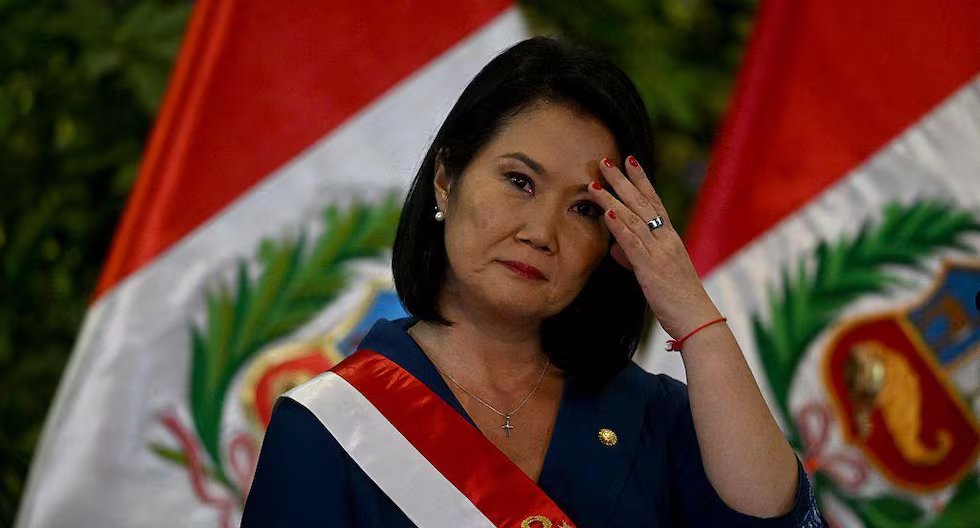
Faced with this and what happened in the Deputies, President Keiko Fujimori has to adopt a more sagacious political game that does not have to cancel her goals and objectives five years from now or make her slide into boxing scenarios that her adversaries set up to accuse her of being authoritarian.
In the Senate, the Now Nation, Good Government and Works groups have 16 votes, compared to 14 for Together for Peru. Another opportunity, there too, for them to form their own left-wing bloc, avoiding confusion, as happens in Deputies, with the dark pro-Senderista designs of Together for Peru.
For these three parties that respond to the leadership of Alfonso López Chau, Jorge Nieto Montesinos and Ricardo Belmont, the chance to become not the opposition that Fuerza Popular wants, but the opposition most aligned with their voters, who are not from the ranks of Movadef or Fenatep, is served on a platter.
If Fujimori had the great virtue of winning the elections, avoiding confrontations that are very difficult to overcome in the electoral campaign, as president, head of state and incarnation of the Nation, her great virtue has to be tolerance, which does not imply weakness or loss of authority. Its status as the last instance of power places it above the political organization of the country. Therein lies his capital of vision, intelligence, serenity, control, calculation and strict respect for the rule of law. No matter what the challenges, difficulties and setbacks are to deal with. Nothing should justify his descent at the provocation of his adversaries.
Calm down, Mrs. Fujimori! His government is not counting down but in just the first seventy days of five years. From the same left that demands results in two months, you should ask for the accountability of those governments and municipalities in the south of the country that wasted billions of soles of canon and budget in the last ten years, under the noses of their voters.