The Inter-American Commission on Human Rights (IACHR) has raised concern with the ongoing practice in The Bahamas of deporting irregular migrants, notably Haitian nationals, “without proper assessment and the inconsistent implementation of disability legislation and lack of accessible infrastructure across all islands”.
In its latest, 2025 human rights report, the commission praised The Bahamas for the establishment of a parliamentary Human Rights Committee and notes efforts to implement the recently enacted Ombudsman Act.
It also noted the decrease in homicides and ongoing efforts to improve the efficiency of its judicial system.
“Moreover, the state launched a new Domestic Stand-Alone Unit within its police force dedicated to providing victims with specialized support when reporting acts of violence,” the report said.
But it said the country was still challenged on the rights of people with disabilities, immigration, marital rape and the rights of women.
“On the rights of persons with disabilities, it is highlighted that the National Commission for Persons with Disabilities (NCPD) received a significant budget increase to expand programs such as life-skills training, independent living initiatives, and free accessible transportation,” the report said.
“The government also launched new grants to support entrepreneurs with disabilities, and actively participated in international forums like the 18th Conference of States Parties to the Convention on the Rights of Persons with Disabilities, reaffirming its commitment to equality and inclusion.
“However, challenges remain in ensuring consistent implementation of disability legislation, expanding accessible infrastructure across all islands, and addressing persistent stigma, particularly around mental health.’’
In 2014, the government introduced the Persons with Disabilities Equal Opportunities Bill, which was passed later that year.
It brought national attention to an issue that was largely ignored.
Under the act, it is illegal to deny a disabled person equal access to opportunities for suitable employment.
But advocates have long said that the law is not enforced.
In 2016, the provisions of the Persons with Disabilities Equal Opportunities Act pertaining to accessibility to public buildings and parking came into force, starting the clock for proprietors of public spaces to ensure compliance with rules governing accessibility for persons with disabilities.
It is clear that many businesses are not in compliance with that provision.
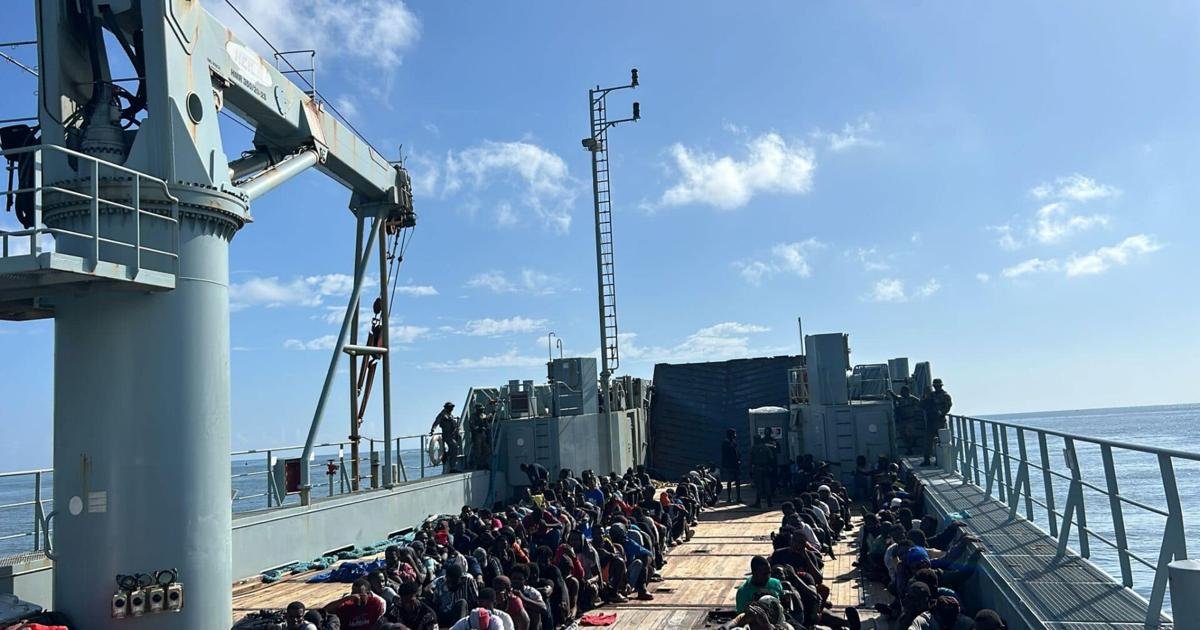
On immigration, the report noted the targeted focus on Haitian nationals.
“Information disseminated on social media indicates that a total of 13,000 deportations may have taken place in less than four years under the current Bahamian administration,” it said.
“However, the commission does not have information regarding the manner in which these deportations have been carried out. As per civil society organizations, Bahamian authorities appear to disproportionately target specific nationalities in the enforcement of migration control measures, particularly persons of Haitian nationality, who would face frequent detention and arrest.
“The organizations also indicated that discriminatory practices in documentation may exist, which expose persons of Haitian descent born in The Bahamas to detention and deportation. Although these individuals are not treated as foreigners, they are also not treated as citizens, as they face barriers in obtaining identity documents to confirm their legal status, leaving them under constant threat of arrest and deportation.”