Monday, September 28, 2026
    The GeoStrategic Consensus
    No Result
    View All Result
    • Login
    • HOME
    • AMERICAS
      • Argentina
      • Brazil
      • Canada
      • Chile
      • Colombia
      • Costa Rica
      • Cuba
      • Dominican Republic
      • Ecuador
      • El Salvador
      • Greenland
      • Guatemala
      • Honduras
      • Mexico
      • Nicaragua
      • Panama
      • Paraguay
      • Peru
      • United States
      • Uruguay
      • Venezuela
    • ASIA-PACIFIC
      • Australia
      • Brunei Darussalam
      • Cambodia
      • China
      • Federated States of Micronesia
      • Fiji
      • Indonesia
      • Japan
      • Kiribati
      • Laos
      • Malaysia
      • Marshall Islands
      • Mongolia
      • Myanmar
      • Nauru
      • New Zealand
      • North Korea
      • Palau
      • Papua New Guinea
      • Philippines
      • Samoa
      • Singapore
      • Solomon Islands
      • South Korea
      • Taiwan
      • Thailand
      • Timor-Leste
      • Tonga
      • Tuvalu
      • Vanuatu
      • Vietnam
    • CARICOM
      • CARICOM – Non-English
        • Haiti
        • Suriname
      • CARICOM Associates
        • Anguilla
        • Bermuda
        • British-Virgin-Islands
        • Cayman-Islands
        • Curacao
        • Turks-and-Caicos
      • CARICOM English
        • Antigua and Barbuda
        • Barbados
        • Belize
        • Dominica
        • Grenada
        • Guyana
        • Jamaica
        • Montserrat
        • Saint Kitts and Nevis
        • Saint Lucia
        • Saint Vincent and the Grenadines
        • The Bahamas
        • Trinidad and Tobago
    • EURASIA
      • Armenia
      • Azerbaijan
      • Balarus
      • Georgia
      • Kazakhstan
      • Kyrgyzstan
      • Moldova
      • Russia
      • Tajikistan
      • Turkmenistan
      • Ukraine
      • Uzbekistan
    • EUROPE
      • Albania
      • Andorra
      • Austria
      • Bosnia and Herzegovina
      • Bulgaria
      • Croatia
      • Cyprus
      • Czech Republic
      • Denmark
      • Estonia
      • Finland
      • France
      • Germany
      • Greece
      • Holy See
      • Hungary
      • Iceland
      • Ireland
      • Italy
      • Kosovo
      • Latvia
      • Liechtenstein
      • Lithuania
      • Luxembourg
      • Malta
      • Monaco
      • Montenegro
      • Netherlands
      • North Macedonia
      • Norway
      • Poland
      • Portugal
      • Romania
      • San Marino
      • Serbia
      • Slovakia
      • Slovenia
      • Spain
      • Sweden
      • Switzerland
      • United Kingdom
    • MIDDLE EAST AND NORTH AFRICA
      • Algeria
      • Bahrain
      • Egypt
      • Iran
      • Iraq
      • Israel
      • Jordan
      • Kuwait
      • Lebanon
      • Lybia
      • Morocco
      • Oman
      • Palestinian Territories
      • Qatar
      • Saudi Arabia
      • Syria
      • Tunisia
      • Turkey
      • United Arab Emirates
      • Western Sahara
      • Yemen
    • SOUTH ASIA
      • Afghanistan
      • Bangladesh
      • Bhutan
      • India
      • Maldives
      • Nepal
      • Pakistan
      • Sri Lanka
    • SUB-SAHARAN AFRICA
      • Angola
      • Benin
      • Botswana
      • Burkina Faso
      • Burundi
      • Cabo Verde
      • Cameroon
      • Central African Republic
      • Chad
      • Comoros
      • Cote d’Ivoire
      • Democratic Republic of the Congo
      • Djibouti
      • Equatorial Guinea
      • Eritrea
      • Eswatini
      • Ethiopia
      • Gabon
      • Gambia
      • Ghana
      • Guinea
      • Guinea Bissau
      • Kenya
      • Lesotho
      • Liberia
      • Madagascar
      • Malawi
      • Mali
      • Mauritania
      • Mauritius
      • Mozambique
      • Namibia
      • Niger
      • Nigeria
      • Republic of the Congo
      • Rwanda
      • Sao Tome and Principe
      • Senegal
      • Seychelles
      • Sierra Leone
      • Somalia
      • South Africa
      • South Sudan
      • Sudan
      • Tanzania
      • Togo
      • Uganda
      • Zambia
      • Zimbabwe
    • HOME
    • AMERICAS
      • Argentina
      • Brazil
      • Canada
      • Chile
      • Colombia
      • Costa Rica
      • Cuba
      • Dominican Republic
      • Ecuador
      • El Salvador
      • Greenland
      • Guatemala
      • Honduras
      • Mexico
      • Nicaragua
      • Panama
      • Paraguay
      • Peru
      • United States
      • Uruguay
      • Venezuela
    • ASIA-PACIFIC
      • Australia
      • Brunei Darussalam
      • Cambodia
      • China
      • Federated States of Micronesia
      • Fiji
      • Indonesia
      • Japan
      • Kiribati
      • Laos
      • Malaysia
      • Marshall Islands
      • Mongolia
      • Myanmar
      • Nauru
      • New Zealand
      • North Korea
      • Palau
      • Papua New Guinea
      • Philippines
      • Samoa
      • Singapore
      • Solomon Islands
      • South Korea
      • Taiwan
      • Thailand
      • Timor-Leste
      • Tonga
      • Tuvalu
      • Vanuatu
      • Vietnam
    • CARICOM
      • CARICOM – Non-English
        • Haiti
        • Suriname
      • CARICOM Associates
        • Anguilla
        • Bermuda
        • British-Virgin-Islands
        • Cayman-Islands
        • Curacao
        • Turks-and-Caicos
      • CARICOM English
        • Antigua and Barbuda
        • Barbados
        • Belize
        • Dominica
        • Grenada
        • Guyana
        • Jamaica
        • Montserrat
        • Saint Kitts and Nevis
        • Saint Lucia
        • Saint Vincent and the Grenadines
        • The Bahamas
        • Trinidad and Tobago
    • EURASIA
      • Armenia
      • Azerbaijan
      • Balarus
      • Georgia
      • Kazakhstan
      • Kyrgyzstan
      • Moldova
      • Russia
      • Tajikistan
      • Turkmenistan
      • Ukraine
      • Uzbekistan
    • EUROPE
      • Albania
      • Andorra
      • Austria
      • Bosnia and Herzegovina
      • Bulgaria
      • Croatia
      • Cyprus
      • Czech Republic
      • Denmark
      • Estonia
      • Finland
      • France
      • Germany
      • Greece
      • Holy See
      • Hungary
      • Iceland
      • Ireland
      • Italy
      • Kosovo
      • Latvia
      • Liechtenstein
      • Lithuania
      • Luxembourg
      • Malta
      • Monaco
      • Montenegro
      • Netherlands
      • North Macedonia
      • Norway
      • Poland
      • Portugal
      • Romania
      • San Marino
      • Serbia
      • Slovakia
      • Slovenia
      • Spain
      • Sweden
      • Switzerland
      • United Kingdom
    • MIDDLE EAST AND NORTH AFRICA
      • Algeria
      • Bahrain
      • Egypt
      • Iran
      • Iraq
      • Israel
      • Jordan
      • Kuwait
      • Lebanon
      • Lybia
      • Morocco
      • Oman
      • Palestinian Territories
      • Qatar
      • Saudi Arabia
      • Syria
      • Tunisia
      • Turkey
      • United Arab Emirates
      • Western Sahara
      • Yemen
    • SOUTH ASIA
      • Afghanistan
      • Bangladesh
      • Bhutan
      • India
      • Maldives
      • Nepal
      • Pakistan
      • Sri Lanka
    • SUB-SAHARAN AFRICA
      • Angola
      • Benin
      • Botswana
      • Burkina Faso
      • Burundi
      • Cabo Verde
      • Cameroon
      • Central African Republic
      • Chad
      • Comoros
      • Cote d’Ivoire
      • Democratic Republic of the Congo
      • Djibouti
      • Equatorial Guinea
      • Eritrea
      • Eswatini
      • Ethiopia
      • Gabon
      • Gambia
      • Ghana
      • Guinea
      • Guinea Bissau
      • Kenya
      • Lesotho
      • Liberia
      • Madagascar
      • Malawi
      • Mali
      • Mauritania
      • Mauritius
      • Mozambique
      • Namibia
      • Niger
      • Nigeria
      • Republic of the Congo
      • Rwanda
      • Sao Tome and Principe
      • Senegal
      • Seychelles
      • Sierra Leone
      • Somalia
      • South Africa
      • South Sudan
      • Sudan
      • Tanzania
      • Togo
      • Uganda
      • Zambia
      • Zimbabwe
    No Result
    View All Result
    Agentially
    No Result
    View All Result
    Home SOUTH ASIA India

    The case for accountable lottery regulation in India

    The Analyst by The Analyst
    September 28, 2026
    in India
    The case for accountable lottery regulation in India


    Urged to ban tobacco, Napoleon III, Emperor of France (1852-70), replied, “This vice brings in one hundred million francs in taxes every year. I will certainly forbid it at once — as soon as you can name a virtue that brings in as much revenue.” His uncle, Napoleon Bonaparte, is also credited with calling vices “very good patriots” (though the attribution is uncertain), while Ralph Waldo Emerson observed that “tobacco could cheerfully carry the load of armies”. Different voices, one hard-headed insight: vices are fiscally invaluable.

    READ ALSO

    OpenAI says its AI agents posted user images online in error

    Narrowed posture: On Karnataka and the Kasturirangan Report

    Yet, every age has moral crusaders whose puritanical zeal to ban tobacco, alcohol, or lotteries rests on the misconception — and conceit — that the state can extinguish persistent demand simply by declaring an activity unlawful. Pragmatists know better: a prohibition may be morally appealing yet administratively futile — or, worse, positively counterproductive.

    The United States learnt this lesson the hard way. Following a sustained temperance campaign, it imposed prohibition through the Eighteenth Amendment and the Volstead Act, from 1920 to 1933. While suppressing legal supply, prohibition left demand intact, fuelling a lucrative black market controlled by violent syndicates such as Al Capone’s. Bootlegging corrupted public institutions, deprived governments of excise revenue and imposed heavy enforcement costs. The Twenty-First Amendment repealed prohibition, recognising that a regulated and taxed market could cause fewer harms than an unenforceable ban. States in India that have experimented with prohibition have faced similar challenges.

    The argument for regulation

    Lotteries are undoubtedly a vice, though arguably less pernicious than tobacco or alcohol. They disproportionately burden poorer households, encouraging them to stake scarce income on remote chances of reward. Rapid draws and instant games can encourage compulsive play and loss-chasing, while giant jackpots distort risk perception. Credit sales, opaque odds and manipulative advertising compound these harms. These are powerful arguments for stringent regulation, not necessarily prohibition.

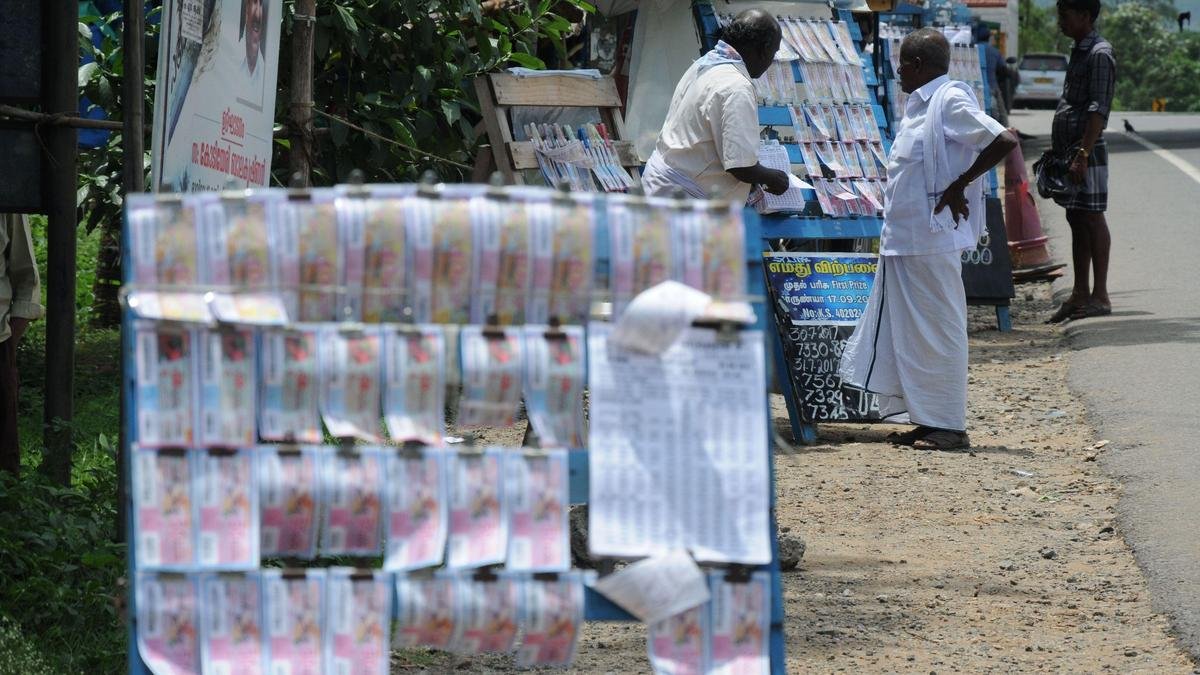
    Lottery bans can push players towards smuggled tickets, matka, satta, single-digit rackets and offshore portals. Operating through cash agents and mule accounts, these enterprises lack audits and age restrictions, secure prize funds and effective remedies against fraud. Governments lose lottery surpluses and GST revenue, while legitimate vendors, many of them poor or disabled, lose livelihoods and enforcement costs rise. In seeking to protect the vulnerable, the state may instead leave them at the mercy of unaccountable operators.

    The state’s paternalism is not class-neutral. Affluent citizens can day-trade, use leveraged derivatives or speculate in crypto-assets despite the risk of ruinous losses. Securities trading involves skill and derivatives facilitate hedging and price discovery. Yet, the state does not test competence before admitting retail traders to these markets. The Securities and Exchange Board of India found that the vast majority of day traders and futures-and-options traders incurred losses. Financial markets are legal not because everyone acts wisely, but because risks are disclosed, intermediaries regulated and fraud punished, while adult choice is preserved. Lotteries can follow the same principle, with more stringent safeguards appropriate to games of chance.

    The international norm

    Lotteries are legal in nearly four-fifths of countries. Blanket prohibition survives mainly in countries enforcing strict Sharia-based gambling prohibitions, such as Saudi Arabia, Iran and Brunei, and in closed ideological regimes such as Cuba.

    Across diverse political and economic systems, the norm is controlled legality, with lottery surpluses allocated transparently to education, health care, sports, welfare or infrastructure. Nearly 70% of lottery jurisdictions follow the public-operator model, in which a government body, statutory authority or State-owned company runs the lottery while private firms provide retail and technology services. Under the concession model, the State regulates the lottery but grants operating rights to a private concessionaire.

    Federal countries generally entrust lotteries to their constituent units while permitting voluntary cooperation across borders. Lotteries operate in 45 of the 50 U.S. States and Washington DC; all 10 Canadian provinces and three territories; all six Australian States and both mainland territories; and all 16 German Länder. Authorisation in one jurisdiction does not confer the right to sell in another. Cross-border sales require the destination jurisdiction’s consent or participation in a cooperative arrangement. The U.S.’s Powerball, Canada’s Lotto 6/49, Australian lottery blocs and Germany’s DLTB allow participating jurisdictions to pool players and prizes while retaining regulatory autonomy.

    A Lok Sabha reply of March 14, 2023, identified only nine States operating lotteries: Arunachal Pradesh, Goa, Keralam, Maharashtra, Mizoram, Nagaland, Punjab, Sikkim and West Bengal. Amid persistent State fiscal stress, the widespread preference for prohibition deserves reconsideration. Government-organised lotteries fall under Entry 40 of the Union List. The Lotteries (Regulation) Act, 1998, permits States to organise lotteries subject to Section 4 conditions, while Sections 5 and 6 empower States and the Union Government, respectively, to prohibit lotteries that violate Sections 4 and 5.

    Two necessary amendments

    Settled Supreme Court jurisprudence treats gambling, including State-organised lotteries, as res extra commercium, outside the protections of Articles 19(1)(g) — fundamental right to trade — and 301 — freedom of trade across India. Section 5 of the Lotteries (Regulation) Act, 1998, reflects this principle by allowing States to prohibit outside lotteries. A parallel doctrine applies to potable alcohol, allowing States to restrict or prohibit out-of-State consignments.

    Yet, in B.R. Enterprises vs State of U.P. (1999), the Court read Section 5 down: a State may exclude other States’ lotteries only by abandoning its own and becoming wholly lottery-free.

    This all-or-nothing rule is difficult to justify. While a State directly oversees its own lottery administration, its oversight of another State’s operations within its territory is necessarily indirect, even as it bears the local enforcement burden. This disparity in regulatory control underpins the case for excluding other States’ lotteries. Faced with this revenue-regulation trade-off, Tamil Nadu (2003) and Karnataka (2007) chose total prohibition, thereby forfeiting the option of running accountable public lotteries of their own.

    Parliament should amend Section 5 to clarify that the provision applies “whether or not the prohibiting State organises a lottery of its own”. Destination-State consent should be decisive, subject to uniform treatment: a State must either admit all outside lotteries or exclude them all.

    Smaller States, especially in the northeast, may fear exclusion from larger markets, but compulsory access is no remedy. A new Section 4A should authorise two or more States to establish a common lottery by agreement, pooling players, prizes, technology and costs, as in successful multi-State lotteries elsewhere.

    Transparent regulation offers a more accountable alternative to prohibition. Section 4 permits States to sell tickets directly or through distributors or agents. While marketing agents may provide guaranteed revenue, departmental operation can be more transparent and enable retail distribution through small vendors, persons with disabilities, women’s self-help groups and cooperatives, broadening livelihood opportunities and limiting intermediary capture.

    Kerala follows this model. In FY 2023-24, it earned ₹2,883.80 crore — ₹1,129.71 crore in net lottery revenue (or surplus) and ₹1,754.09 crore in State GST. It channels lottery surpluses into health care and welfare. Kerala’s public-operator model offers a useful, though not exclusive, template for reform.

    K. Ashok Vardhan Shetty is a retired IAS officer, a former Vice-Chancellor of the Indian Maritime University, Chennai, and Member, The Justice Kurian Joseph Committee on Union-State Relations

    Source link

    Related Posts

    OpenAI says its AI agents posted user images online in error
    India

    OpenAI says its AI agents posted user images online in error

    September 28, 2026
    Narrowed posture: On Karnataka and the Kasturirangan Report
    India

    Narrowed posture: On Karnataka and the Kasturirangan Report

    September 28, 2026
    Overweight and weak: On the UN, the 81st session of the UN General Assembly
    India

    Overweight and weak: On the UN, the 81st session of the UN General Assembly

    September 28, 2026
    Men in Blue begin ODI World Cup countdown
    India

    Men in Blue begin ODI World Cup countdown

    September 28, 2026
    Waste from Ganesh festival 40% more this year; 400% more from three years ago
    India

    Waste from Ganesh festival 40% more this year; 400% more from three years ago

    September 27, 2026
    Trump says he does not want to ‘integrate’ with China on AI
    India

    Trump says he does not want to ‘integrate’ with China on AI

    September 27, 2026
    Next Post
    Pakistan’s military regime martyred a student in Paktika

    Pakistan's military regime martyred a student in Paktika

    POPULAR NEWS

    2026 Regional and International Conventions of Jehovah’s Witnesses

    2026 Regional and International Conventions of Jehovah’s Witnesses

    July 7, 2026
    Thaksin, Yingluck and Paetongtarn meet Indonesian President Prabowo for investment talks

    Thaksin, Yingluck and Paetongtarn meet Indonesian President Prabowo for investment talks

    July 13, 2026
    This is how Nicolás Maduro and Cilia Flores reappeared in their hearing

    This is how Nicolás Maduro and Cilia Flores reappeared in their hearing

    July 24, 2026
    No deliverance: when gig workers fall prey to road accidents

    No deliverance: when gig workers fall prey to road accidents

    July 25, 2026

    All posts

    July 23, 2026

    EDITOR'S PICK

    Rising skin cancer rates lead experts to urge Albertans to use sunscreen, avoid misinformation

    Rising skin cancer rates lead experts to urge Albertans to use sunscreen, avoid misinformation

    July 14, 2026
    Death of Moroccan man in Italian police custody sparks protests, violence

    Death of Moroccan man in Italian police custody sparks protests, violence

    July 21, 2026
    Six still missing at sea

    Six still missing at sea

    August 11, 2026
    Kione De Shong etching his name

    Kione De Shong etching his name

    September 12, 2026

    Recent Posts

    • Planned
    • European Sports Week, in San Marino a walk in the woods between nature and conviviality
    • Baton Haxhiu talks about how Brussels can be forced to deal with the Special: For a change in the law, the request will not be ignored
    • TRAGEDY/ 4 members of the Albanian family died in Athens. Florinda and her husband were on their honeymoon, her brother and sister-in-law were expecting a child – Shqip.com

      © 2026 Agentially - Navigating shifting sovereignties and global risk .

      Welcome Back!

      Login to your account below

      Forgotten Password?

      Retrieve your password

      Please enter your username or email address to reset your password.

      Log In
      No Result
      View All Result
      • HOME
      • AMERICAS
        • Argentina
        • Brazil
        • Canada
        • Chile
        • Colombia
        • Costa Rica
        • Cuba
        • Dominican Republic
        • Ecuador
        • El Salvador
        • Greenland
        • Guatemala
        • Honduras
        • Mexico
        • Nicaragua
        • Panama
        • Paraguay
        • Peru
        • United States
        • Uruguay
        • Venezuela
      • ASIA-PACIFIC
        • Australia
        • Brunei Darussalam
        • Cambodia
        • China
        • Federated States of Micronesia
        • Fiji
        • Indonesia
        • Japan
        • Kiribati
        • Laos
        • Malaysia
        • Marshall Islands
        • Mongolia
        • Myanmar
        • Nauru
        • New Zealand
        • North Korea
        • Palau
        • Papua New Guinea
        • Philippines
        • Samoa
        • Singapore
        • Solomon Islands
        • South Korea
        • Taiwan
        • Thailand
        • Timor-Leste
        • Tonga
        • Tuvalu
        • Vanuatu
        • Vietnam
      • CARICOM
        • CARICOM – Non-English
          • Haiti
          • Suriname
        • CARICOM Associates
          • Anguilla
          • Bermuda
          • British-Virgin-Islands
          • Cayman-Islands
          • Curacao
          • Turks-and-Caicos
        • CARICOM English
          • Antigua and Barbuda
          • Barbados
          • Belize
          • Dominica
          • Grenada
          • Guyana
          • Jamaica
          • Montserrat
          • Saint Kitts and Nevis
          • Saint Lucia
          • Saint Vincent and the Grenadines
          • The Bahamas
          • Trinidad and Tobago
      • EURASIA
        • Armenia
        • Azerbaijan
        • Balarus
        • Georgia
        • Kazakhstan
        • Kyrgyzstan
        • Moldova
        • Russia
        • Tajikistan
        • Turkmenistan
        • Ukraine
        • Uzbekistan
      • EUROPE
        • Albania
        • Andorra
        • Austria
        • Bosnia and Herzegovina
        • Bulgaria
        • Croatia
        • Cyprus
        • Czech Republic
        • Denmark
        • Estonia
        • Finland
        • France
        • Germany
        • Greece
        • Holy See
        • Hungary
        • Iceland
        • Ireland
        • Italy
        • Kosovo
        • Latvia
        • Liechtenstein
        • Lithuania
        • Luxembourg
        • Malta
        • Monaco
        • Montenegro
        • Netherlands
        • North Macedonia
        • Norway
        • Poland
        • Portugal
        • Romania
        • San Marino
        • Serbia
        • Slovakia
        • Slovenia
        • Spain
        • Sweden
        • Switzerland
        • United Kingdom
      • MIDDLE EAST AND NORTH AFRICA
        • Algeria
        • Bahrain
        • Egypt
        • Iran
        • Iraq
        • Israel
        • Jordan
        • Kuwait
        • Lebanon
        • Lybia
        • Morocco
        • Oman
        • Palestinian Territories
        • Qatar
        • Saudi Arabia
        • Syria
        • Tunisia
        • Turkey
        • United Arab Emirates
        • Western Sahara
        • Yemen
      • SOUTH ASIA
        • Afghanistan
        • Bangladesh
        • Bhutan
        • India
        • Maldives
        • Nepal
        • Pakistan
        • Sri Lanka
      • SUB-SAHARAN AFRICA
        • Angola
        • Benin
        • Botswana
        • Burkina Faso
        • Burundi
        • Cabo Verde
        • Cameroon
        • Central African Republic
        • Chad
        • Comoros
        • Cote d’Ivoire
        • Democratic Republic of the Congo
        • Djibouti
        • Equatorial Guinea
        • Eritrea
        • Eswatini
        • Ethiopia
        • Gabon
        • Gambia
        • Ghana
        • Guinea
        • Guinea Bissau
        • Kenya
        • Lesotho
        • Liberia
        • Madagascar
        • Malawi
        • Mali
        • Mauritania
        • Mauritius
        • Mozambique
        • Namibia
        • Niger
        • Nigeria
        • Republic of the Congo
        • Rwanda
        • Sao Tome and Principe
        • Senegal
        • Seychelles
        • Sierra Leone
        • Somalia
        • South Africa
        • South Sudan
        • Sudan
        • Tanzania
        • Togo
        • Uganda
        • Zambia
        • Zimbabwe

      © 2026 Agentially - Navigating shifting sovereignties and global risk .

      This website uses cookies. By continuing to use this website you are giving consent to cookies being used. Visit our Privacy and Cookie Policy.