We are determined to continue with it after limiting Sanchez’s role
father-in-law
Expressiveness
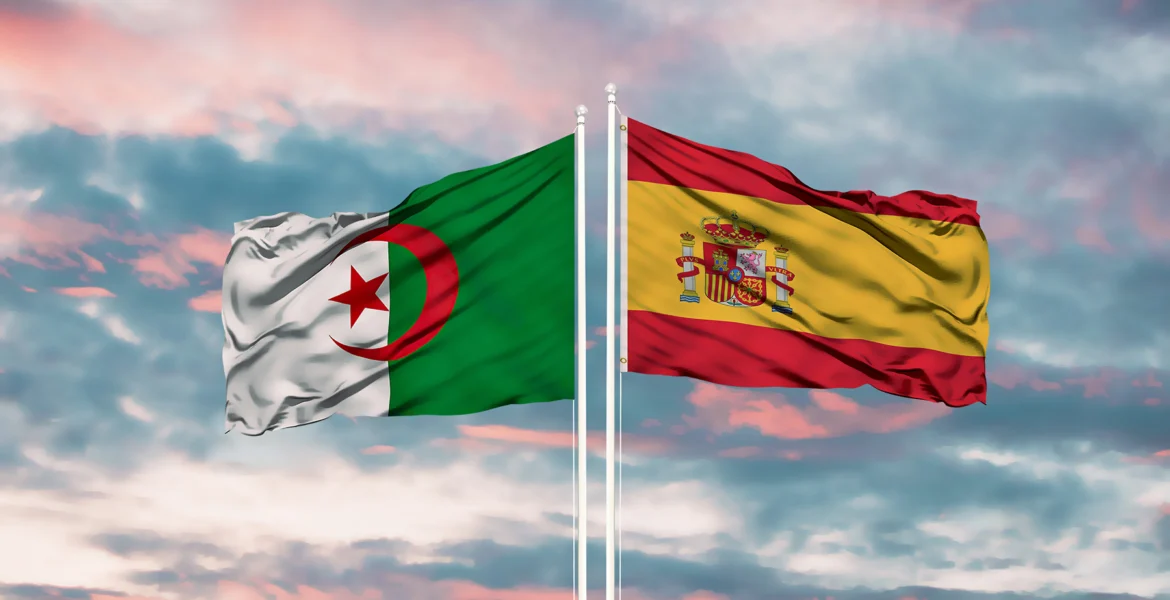
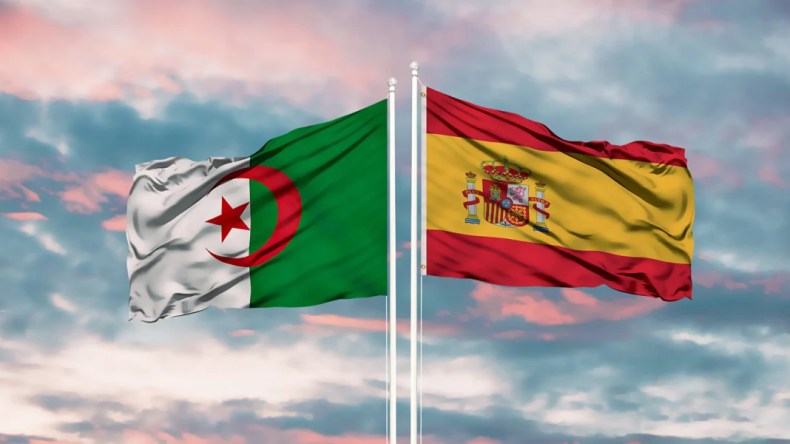
Some Spanish strategic specialists consider the improvement in relations between Algeria and Madrid as a card through which the Moroccan regime is trying to put pressure on Spain, to spoil this rapprochement and return relations with it to the difficult period it went through between 2022 and 2025, with a diplomatic and economic rupture.
These elites see the upcoming visit of President Abdelmadjid Tebboune to Spain (which has not been officially confirmed), as well as the announcement of a high-level meeting next October, as a development that is troubling the Moroccan regime, which has always considered the government of Pedro Sanchez to be a hostage in its hands, since it was able to steal documents from the phones of senior Spanish officials, led by Sanchez, in the famous “Pegasus” spy operation.
One of the most prominent scientific figures who referred to this approach is Miguel Hernando de Larramendi, professor of Arab and Islamic studies at the University of Castilla-La Mancha, according to his statements, on Sunday, to the “Europa Press” agency.
He placed the rapprochement between Algeria and Madrid, along with two events that would increase the level of pressure between Spain and the Moroccan regime, namely the visit that the Spanish King, Felipe VI, and his consort will attend to the cities of Ceuta and Melilla in the coming weeks and the approval of the law granting Spanish citizenship to the Sahrawi people, which are among the direct reasons behind Rabat’s revenge on Madrid on July 30 and 31, by organizing an invasion of about 80,000 Moroccan “burners” of the city. Ceuta in front of the police and gendarmerie.
However, things this time seem completely different from what they were in 2022, as the Moroccan regime appears to be in its most difficult period internally and externally, which undermines its ability to pressure Madrid in order to destroy its relations with Algeria. On the internal level, unprecedented tension has been recorded since the palace announced the raising of diplomatic representation with the Zionist entity to the level of ambassadors.
As for Rabat’s relationship with Madrid, the situation is much worse, as there is a consensus inside Spain, both officially and popularly, on the necessity of punishing the Moroccan regime for its audacity against Spanish sovereignty due to the invasion of the Ceuta enclave, despite the attempts of the Sanchez government to calm the tension, as the Spanish National Court ordered new investigations aimed at identifying the party organizing the mobilization process that preceded the invasion of Ceuta, as well as its planning, on the other side of the border, in the Moroccan region of Fnideq.
Judge Tardon’s previous ruling, issued on September 7, in which she accepted the conclusions of the report prepared by the Spanish National Commission for Economic and Social Research on the mass entry process, which ruled out the possibility that what happened was spontaneous, describing it as a process with a “before, during and after phase,” despite Fernando Grande Marlaska, Minister of the Interior in the Sancio government, rejected these conclusions, according to what was reported by the Spanish newspaper “El Independiente.”
There is a belief in Spain that the deep state there has bypassed Sanchez’s government due to suspicions about his submission to the Moroccan regime due to the theft of documents from his personal phone and blackmailing him with them, and decided to take the initiative to confront Rabat. This is embodied by the meeting of King Felipe VI a few days ago, in military uniform, with the leaders of the Spanish army, and his decision to visit Ceuta and Melilla, as well as the bypassing of the Spanish judiciary, represented by the national court competent for major government cases, and its investigation into the Moroccan regime’s involvement in the management of the events in Ceuta, which was considered a clear challenge to Rabat.
These developments would weaken the Moroccan regime’s ability to maneuver and put pressure on Madrid to limit its rapprochement with Algeria, driven by its urgent need to obtain energy resources at preferential prices by virtue of the old bilateral partnership as well as proximity to its source, a dimension that the Spaniards have been playing on recently.