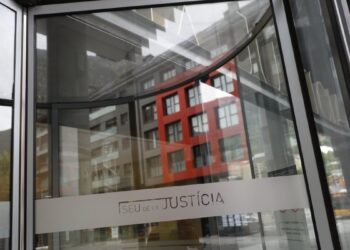

Havana/“Closed” is the most important word this Saturday in the window of a private bakery on Ayestarán Street, in Havana. Below, another sign promises a much more ambitious schedule: 9:00 am to 9:00 pm. The price of the bag of bread also remains on the glass, 590 pesos. There is a schedule, there is a price and even a door waiting for someone to open. What there is not is bread.
The image could serve to refute some of the many official meetings in which Artificial Intelligence, digital transformation, innovation and new technologies have been discussed lately as tools to move the battered Cuban economy forward. All that remains is to add a much less sophisticated question at the bottom: with what electricity?
While officials and academics debate algorithms, automation and the possibilities of AI, the Cuban small businessman fights a much more basic technological battle. You need the freezer to cool, the oven to heat up, the mixer to spin, and the lights to come on. Before ChatGPT there is the kilowatt; Before the digital future, we must ensure that the milk is not cut off.
For the owners of these businesses, every hour of blackout means merchandise at risk, diminished income and lost customers.
The new collapse of the national electrical system (SEN) that occurred this Friday has once again hit private businesses hard. This Saturday, many woke up with their doors closed; others opened with empty refrigerators, hot soft drinks or a reduced offer to a minimum. For the owners of these businesses, every hour of blackout means merchandise at risk, diminished income and lost customers.
For bakeries, the blow has also come twice. Before the SEN collapsed again, the lack of manufactured gas, due to repairs announced by Cuba Petróleo (Cupet), had already compromised bread production in Havana this Friday. Without gas and then without electricity, the scope for miracles was considerably reduced.
Perhaps one day Artificial Intelligence will help forecast sales, manage inventories, and make these businesses more efficient. For now, in Ayestarán, the decisive technology is still much older: a switch that, when activated, turns on a light bulb.