TRAINING
Children and young people in the Commonwealth must know more about each other. This is the opinion of the Danish government, which has set aside money for various projects that aim to increase awareness and create relations between the countries.
Knowledge of children and young people the Commonwealth must be increased through several new initiatives. The Danish government thinks so.
The Danish primary schools must focus more on the commonwealth in teaching. This must be done, among other things, by schools being able to participate in a new themed week across the country called Commonwealth Week.
It is expected that Commonwealth Week will be held for the first time in week 46 from the 2027/2028 school year.
Commonwealth Week must contribute to increasing knowledge of the Commonwealth among Danish children and young people through education. It must make the students more knowledgeable about contemporary and historical conditions in the Commonwealth of Nations and contribute to the spiritual development of children and young people. The week is being established with inspiration from Uge Sex, where schools across the country focus on sex education.
Compulsory in history education
Since the 2023/2024 school year, the commonwealth has been compulsory in the teaching of history in primary schools, when the North Atlantic and the commonwealth were added as an item in the history canon.
Schools can use Commonwealth Week as an opportunity to put the Commonwealth on the school timetable.
Inspiring materials etc. will be prepared in close dialogue with relevant actors with knowledge of Greenland and the Faroe Islands. According to the Ministry of Children and Education, 2 million has been set aside. kroner for the initiative in 2026 and 1 million annually in 2027-2030.
Special grant for North Atlantic High School class
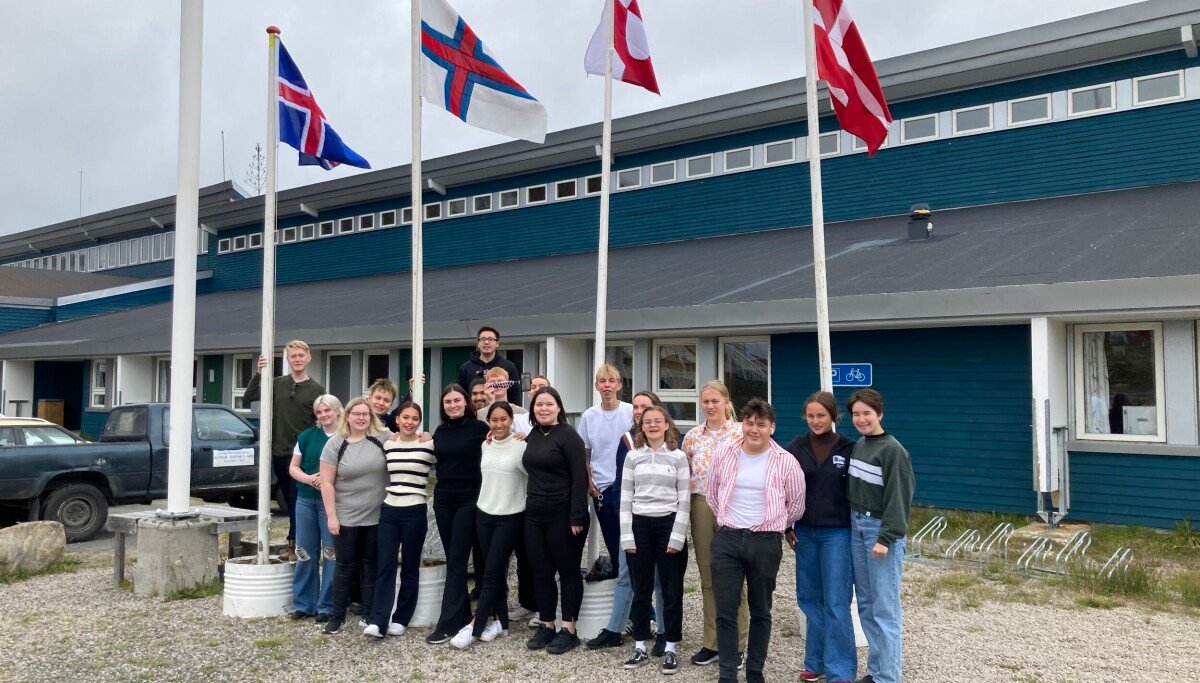
In order to maintain the possibility of increased knowledge of the Commonwealth among young people in Denmark, Greenland and the Faroe Islands, the government has also set aside an annual special grant of DKK 3 million. DKK to support the maintenance of the North Atlantic High School Class from 2027, which has been carried out as an experiment at Gribskov High School in collaboration with GUX in Sisimiut, Miðnám á Kambsdali in the Faroe Islands and Verzlunarskoli in Iceland.
There are also thoughts about more study tours across the Commonwealth of Nations. Since 2019, the Ministry of Children and Education has had an annual travel pool for study trips to the Faroe Islands and Greenland for students on Danish upper secondary education, vocational education and preparatory basic education.
From this year, the purpose of the travel pool has been adjusted so that the funds can also go to Greenlandic and Faroese classes. Each country is responsible for the distribution of funds to its own educational institutions.
Study tours and literature from Greenland
Study tours must also contribute to strengthening students’ knowledge of the Commonwealth of Nations. It can be about climate, technology, history, culture and language. 3.3 million has been set aside. DKK permanently for the travel pool for study trips, and a further DKK 1 million is set aside. DKK annually to the pool from 2026 onwards.
Funds have also been set aside to strengthen vocational training so that the institutions can keep schools open at weekends as needed, which is of great importance for students from Greenland and the Faroe Islands, who often live far from their place of education.
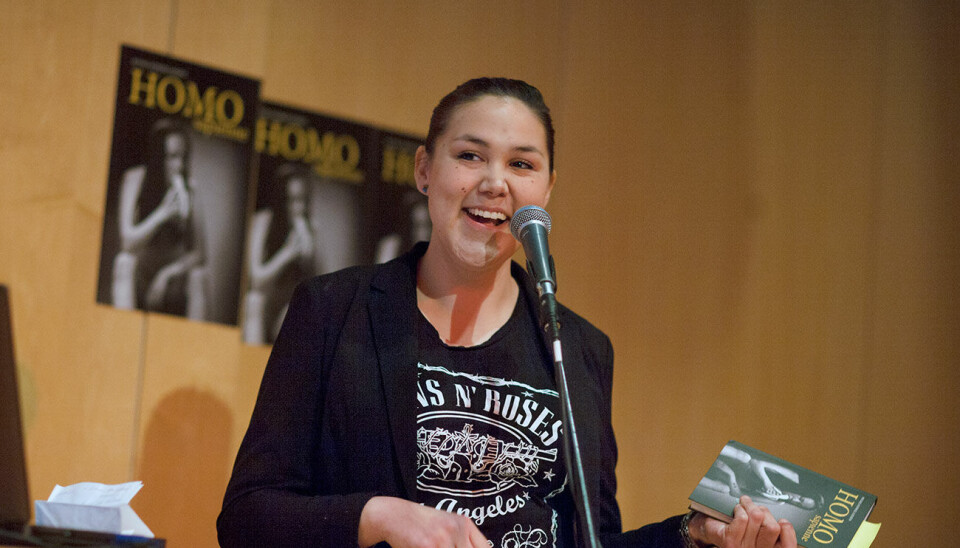
Finally, the new canon of literature in the upper secondary school has opened up more voices from the Faroe Islands and Greenland, so that students can get to know some authors who give them the opportunity to see the Kingdom of Denmark from different perspectives.
The new literary canon is expected to come into force on 1 August 2026, and will therefore be valid for the 2026/27 school year. In addition, the upper secondary schools receive over DKK 100 million. DKK for new physical books in 2025 and 2026, which i.a. can be used for the purchase of fiction books for, for example, authors in the new updated literature canon.
This article is from the education newspaper, which can be read for free via the link here