Havana/This Thursday, the United States once again put the target on the Cuban nickel business. The State Department announced sanctions against eight state entities and three military entities, in a new round that reaches four companies related to the exploitation, research and infrastructure of the island’s mining sector.
The move comes just two weeks after Washington sanction two other entities related to nickel and cobalt, Nicarotec and Cexni, and at a particularly sensitive time for that industry. American investors are currently negotiating their entry into the assets that the Canadian Sherritt International operated in Cuba, mainly in Moa, Holguín.
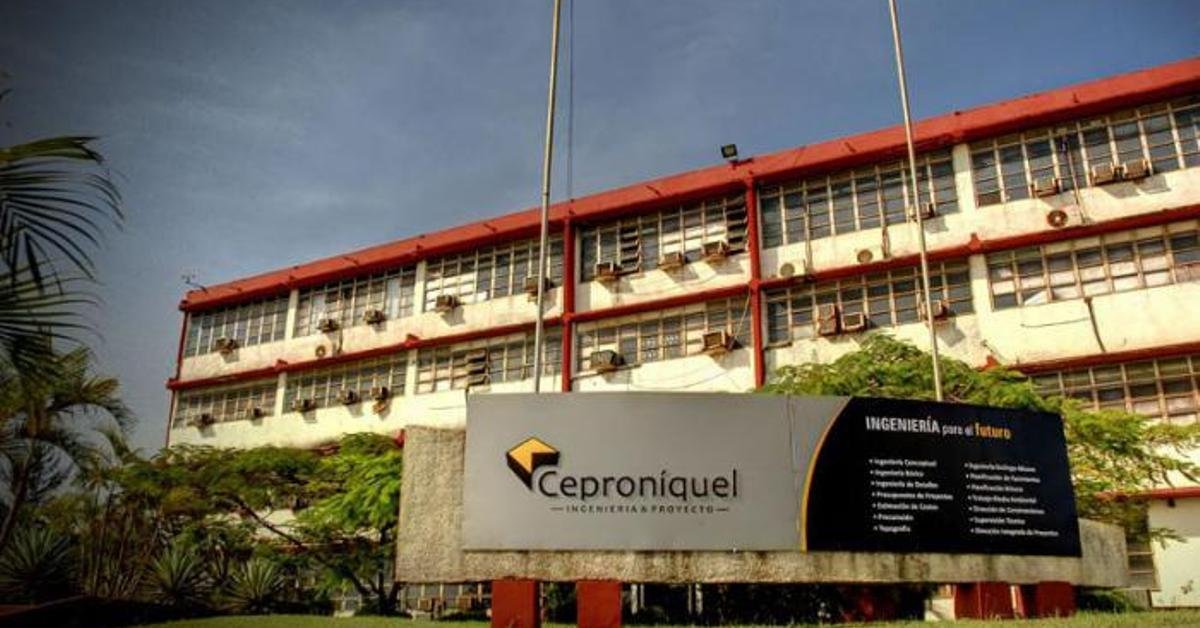
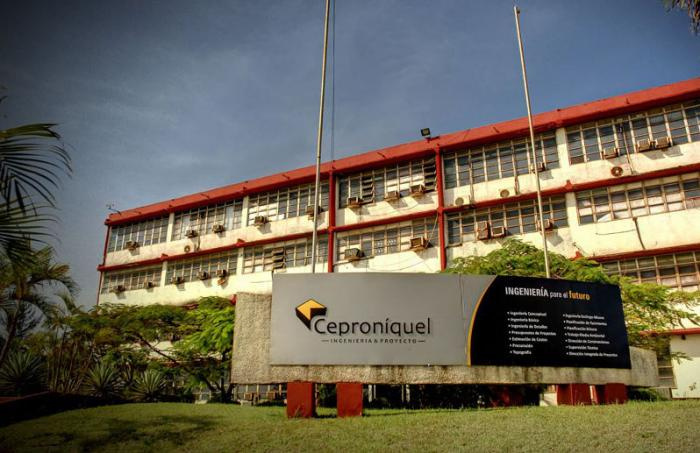
The four new mining entities included in the list are the Computer, Communications and Electronics Technical Services Company (Serconi), the Nickel Engineering and Projects Company (Ceproníquel), the Captain Alberto Fernández Montes de Oca Nickel Research Center (Cediníq) and Pinares SA
According to the State Department, they are all part, in one way or another, of the framework that allows the Cuban Government to exploit its mineral resources and obtain foreign currency. Serconi provides technological tools and services to the industry, Ceproníquel participates in engineering projects and extraction operations, while Cediníq is dedicated to research and development. Pinares, for its part, carries out geological evaluations of mineral deposits.
The other half of the sanctions announced this Thursday aim directly at the modernization of the Revolutionary Armed Forces
The new round also coincides with a business battle over Sherritt’s former interests. The Canadian company suspended its activities in Cuba in May after the tightening of US sanctions. Since then, two groups fight to take his place. One is headed by Gillon Capital, owned by the family of Texas businessman Ray Washburne, a former advisor to Donald Trump, and another is backed by the raw materials giant Glencore, owned by fellow Texan Albert Huddleston.
The Cuban Government has already given your approval to the entry of US capital in these operations, as reported last week by the Miami Herald. Both the State Department and the Treasury had also indicated that they were not opposed to the possible agreement with Gillon.
The other half of the sanctions announced this Thursday aim directly at the modernization of the Revolutionary Armed Forces. Washington included the Simulator Research and Development Center (Simpro), the Naval Research and Development Center (Cidnav), the Infantry Armament Research and Development Center (Cidai) and the Grito de Baire Research, Development and Production Center (Gelcom).
Since the beginning of August, the United States has announced four consecutive rounds against Cuban State structures exactly two weeks apart: August 6 and 20, and September 3 and 17, all on Thursdays.
The State Department attributes to these organizations work on the development of military simulators and training, naval research, modernization of infantry weapons, and production of electronic and communications equipment.
Three officers who direct these institutions were also sanctioned: Colonel Joaquín Francisco Cancio Monteagudo, head of Simpro; Captain Dioglis Pedrera Argüello, director of Cidnav, and first colonel Julio Hurtado Betancourt, head of Cidai.
The new designations they rely on Executive Order 14404, signed by Trump on May 1, which allows blocking the assets under US jurisdiction of people and entities linked to certain strategic Cuban sectors and prohibiting US citizens and companies from carrying out operations with them.
The measure goes beyond, however, North American companies. The State Department expressly warns that foreign people and companies that negotiate with sanctioned parties or participate in sectors such as mining, metallurgy, defense, energy, finance or security may also be exposed to measures from Washington.
The sanctions also maintain a striking regularity. Since the beginning of August, the United States has announced four consecutive rounds against Cuban State structures exactly two weeks apart: August 6 and 20, and September 3 and 17, all on Thursdays. The package of August 6 was fundamentally focused on military cooperation and weapons purchases, while that of the 20th reached, among other entities, the Ministry of Construction.