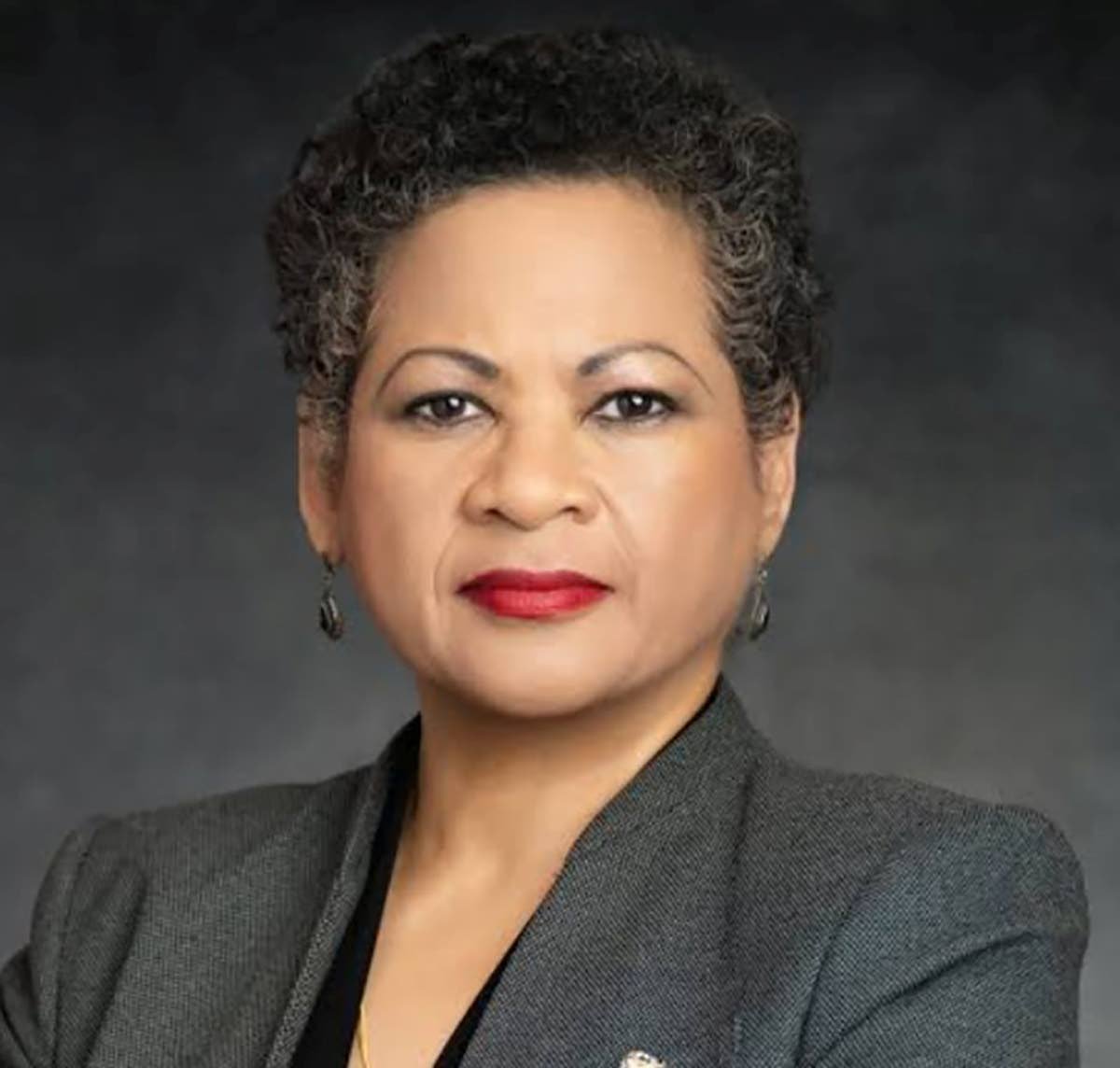
People detained under Preventive Detention Orders (PDOs) could have grounds to seek additional legal recourse if they were held in inhumane conditions, says attorney Nyree Alfonso.
Speaking on CNC3’s The Morning Brew programme yesterday, Alfonso said people who were wrongfully detained under a PDO could pursue legal action against the State, while the conditions in which they were held could also affect the damages awarded.
She was responding to questions about reports of people being held in conditions including a 20-foot container, with rats and cockroaches, no running water and a clogged toilet.
Alfonso said a claim could arise from wrongful imprisonment where a person’s liberty was unlawfully taken away.
She said the conditions in which a person was held, as well as their access to attorneys and medical attention, could be considered when assessing a claim.
Alfonso said the legality of the detention was a separate issue from the conditions in which a person was held.
“Even if you were rightly incarcerated, it does not give the State the right to keep you in inhumane conditions,” Alfonso said.
She said compensation would not simply be based on a figure requested by a lawyer, but would be assessed by the court with reference to previous cases.
Alfonso said lawyers would examine existing decisions involving incarceration and other cases when determining an appropriate claim.
Turning to the proposed Special Security and Community Development Measures Bill, commonly referred to as ZOSO, Alfonso said the legislation could work, but changes to its language would be necessary.
She said the legislation must strike a balance between the State’s responsibility to protect citizens from crime and the constitutional rights of people living in communities designated under the legislation.
Alfonso described ZOSO as a form of “mini state of emergency,” giving authorities similar powers on a smaller and more targeted scale.
She said the legislation could be useful because it would allow the Government to target communities experiencing heightened criminal activity without imposing restrictions on the wider population.
However, Alfonso said the legislation must clearly set out when and how a person’s liberty could be restricted and what redress would be available.
Alfonso also stressed that not everyone living in communities affected by crime should be treated as criminals.
— Chester Sambrano