The Panama Canal Authority (ACP) ruled out, for now, directly assuming the administration of the ports of Balboa and Cristóbal, while its budget for fiscal year 2027 was approved in the first debate and sent to the plenary session of the National Assembly.
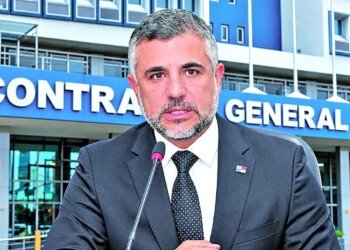
The Minister for Canal Affairs, José Ramón Icaza, clarified before the Budget Commission that the ACP board of directors has not formally evaluated the possibility of taking charge of both terminals.
“At the board of directors level, this issue has not been addressed,” Icaza responded to deputy José Pérez Barboni, who asked if the Canal was contemplating taking on Balboa and Cristóbal simultaneously with the development of the new terminals of Corozal, in the Pacific, and Telfers Island, in the Atlantic.
The minister stressed that the ACP is not currently a port operator. A proposal to directly manage terminals would have to reach sufficient technical, financial and legal maturity before being raised for consideration by the board of directors.
The institution focuses its efforts on structuring the Corozal and Telfers concessions, whose joint preliminary investment is estimated at $2.6 billion.
ACP bets on concessions
Both projects are in the prequalification process. The ACP published the terms of reference on January 30, 2026 and closed the receipt of documents on July 9.
Once the evaluation is completed, it will disclose the list of prequalified companies and resume conversations with interested operators.
The ACP began analyzing six concession models, but reduced the alternatives to three. You still need to determine how financing, operations, revenues and risks will be shared.
The scheme could incorporate a fixed fee for the use of the land, variable payments depending on the cargo moved and charges for maritime services. The lands would remain under the ownership of the ACP and the Republic of Panama.
The concessions could be awarded between the end of 2027 and the beginning of 2028. Subsequently, infrastructure, superstructure and dredging work would begin.
Corozal and Telfers would add capacity to move between 5 million and 6 million TEU. The Panamanian port system registered approximately 9.9 million TEUs in 2025, and some terminals already reach utilization levels of between 75% and 80%.
The ACP estimates that the country could exceed 15 million TEUs in a decade, driven by the growth of global trade and the arrival of operators that currently concentrate their cargo in other markets.
The schedule must be coordinated with the Panama Maritime Authority (AMP), which expressed interest in bidding for concessions linked to Balboa, Cristóbal and Margarita Island. The objective is to prevent several Panamanian projects from competing simultaneously for the same investors.
Budget passes first debate
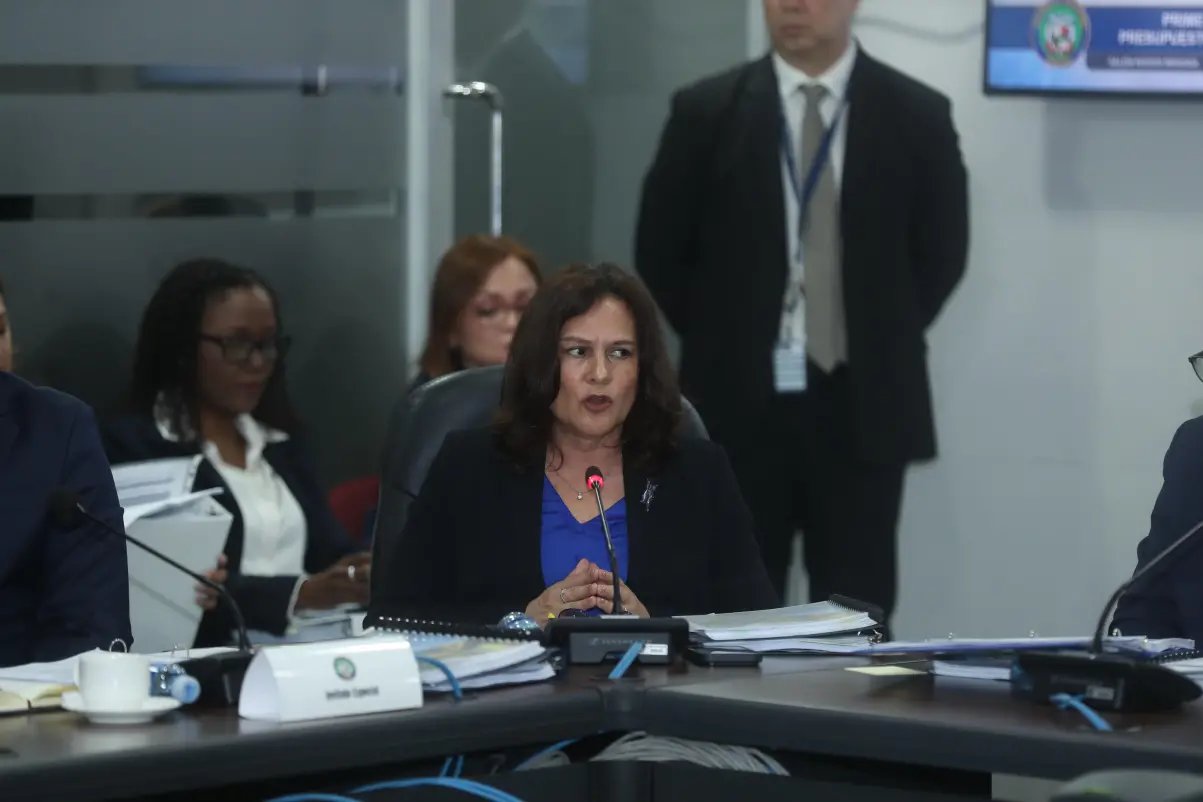
After the appearance, the Budget Commission approved bill 701 in its first debate, which establishes the ACP budget for the period between October 1, 2026 and September 30, 2027.
The initiative obtained nine votes in favor, three abstentions and none against. Its four articles, the title and the recommendation to send it to the plenary session received the same support.
The project contemplates total income of approximately $5,555.3 million, operating expenses of $1,784.5 million and direct contributions to the National Treasury of $3,607.8 million.
Transfers would increase by about $414 million compared to the previous budget, driven mainly by the adjustment of the duty per net ton, which will rise from $1 to $1.75.
The ACP projects a reduction of 621 transits as a consequence of water restrictions associated with a possible strong El Niño phenomenon. Despite this, it expects to increase its income due to the type of vessels that will use the route and the growth of reservation and auction services.
PRD reserves by Río Indio
Although there were no votes against, a deputy from the Democratic Revolutionary Party (PRD) clarified that his support constituted a “vote of confidence” in the Canal’s operating budget.
The parliamentarian indicated that, as explained during the appearance, the 2027 items do not yet include the beginning of the flood to form the Río Indio lake.
He also warned that the bench could review its position when the proposal is discussed by the plenary session.
Río Indio would have an estimated cost of $1.5 billion and would guarantee water for human consumption and canal operations for approximately 50 years. By 2027, the ACP plans to advance in technical studies, environmental evaluations, bidding and family resettlement.