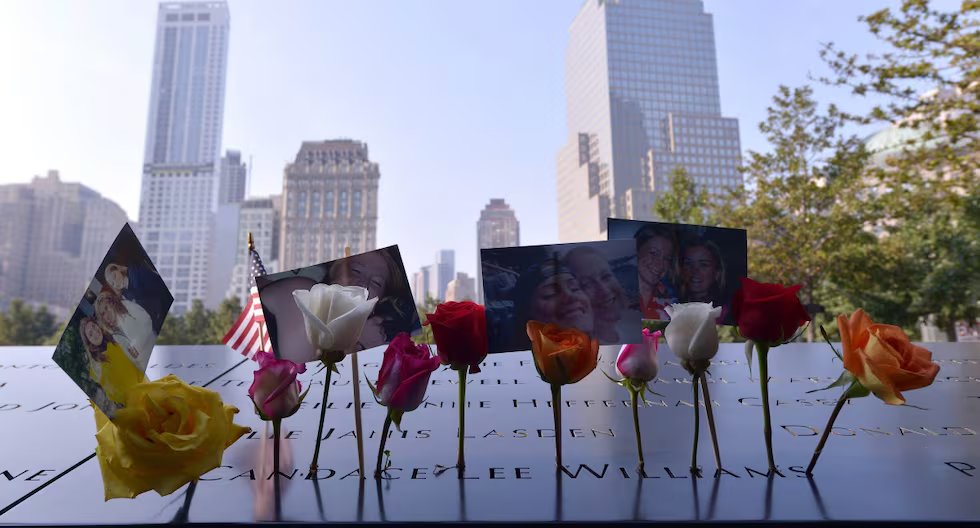

The 21st century did not begin on January 1, 2000, but in the early hours of Tuesday morning September 11, 2001. That day, when two planes pierced the Twin Towers in New Yorkthe heart of a city was broken forever, with the collapse of a sanctuary of Western culture. The magnitude of this event that has just turned 25 years old has directed our time in a direction that seems insurmountable.
If in his book “The End of History” (1992), Francis Fukuyama had announced that we had reached a definitive political and social model, it was Samuel Huntington who prevented what happened that day. It was a demonstration of what he had described in his book “The Clash of Civilizations” (1996).
“The attack of 9/11, 25 years ago, shaped the wars that followed.”
History did not reach an end based on a political and economic model (democracy and capitalism), but continued driven by the cultural impulses that have always divided us. The attacks were condemned by the Islamic authorities of course. In the Quran it is stated that the murder of a single person is equivalent to the death of all humanity. But the radical doctrines of terrorism, far from Islam, ensured that each martyr or “shuhada” would enter paradise with 72 women. It was the reward for the attack on what they considered a monument to evil.
The 9/11 attack, 25 years ago, shaped the wars that followed. As a result of the attack, President Bush demanded that Afghanistan hand over Osama Bin Laden and the dismantling of concentration camps Al Qaeda. The conflict with Afghanistan lasted twenty years, with very difficult periods such as 2009. It ended in 2021 with the withdrawal of North American forces. The criminal Osama Bin Laden was assassinated in May 2011. However, a few months ago a new war began between the United States and Iran. It’s the same old story. When the Greeks faced the Persians in the Medical Wars In the 5th century BC, they were already representing what Huntington defined as a civilizational “clash.” The wars between ways of seeing the world, ways of dressing, ways of conceiving love and politics, different religions. And war for economic desires, of course.
Today that everyone knows the story of Odysseus, thank you to Nolan’s moviebut above all to Homer’s great story, we must not forget that at that time the Strait of Hellespont, today known as Dardanelles, was also at stake. From its strategic position, Troy collected taxes from all ships that passed through it. Helen undoubtedly existed, but so did the appetite of the Achaeans to control all that wealth. Love, honor and money can sometimes coincide in their purposes.
The war environment in which we live, after the collapse of the Twin Towers, is still with us. In Germany, a party considered a representative of neo-Nazism, the AfD, has just won the elections in Saxony-Anhalt. In his new book, “Liberalism and its Disenchanted,” Fukuyama thinks that Western democracies live in profound instability and degradation, with the loss of confidence that this entails. In the midst of the turmoil in the world, we only have to continue doing what we do, with “little faith,” and nothing more.