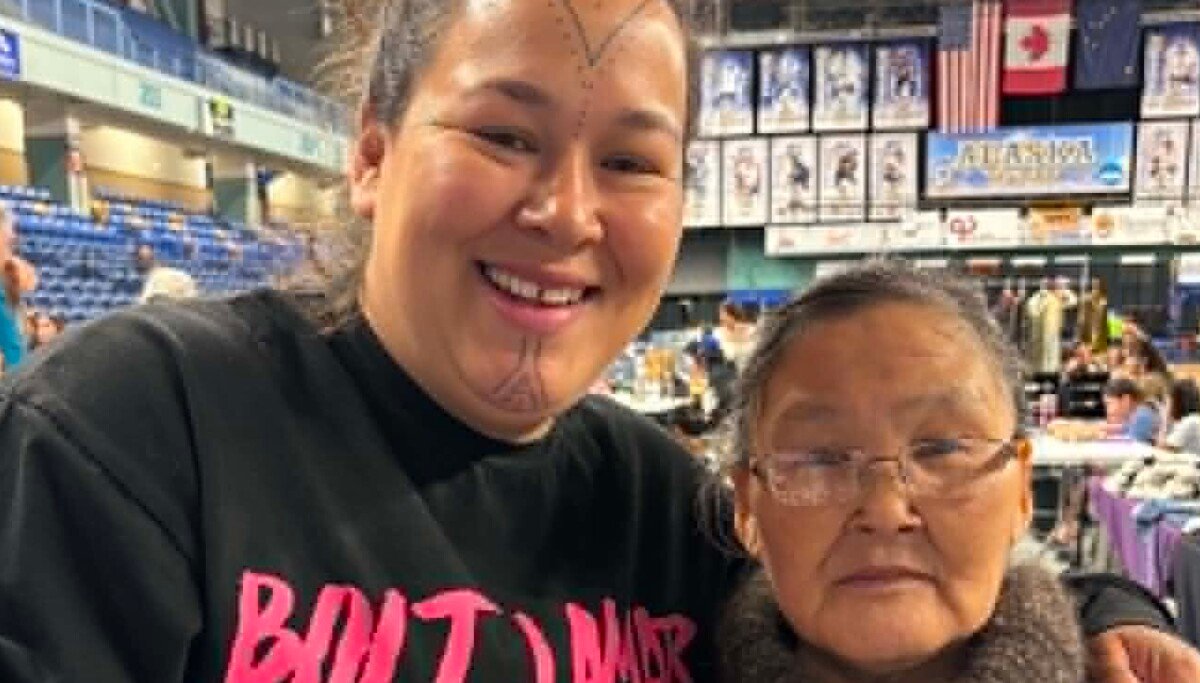
Lone and Siuana Nikolajsen Hansenmother and daughter, participated in this year’s World Eskimo-Indian Olympics (WEIO) in Fairbanks.
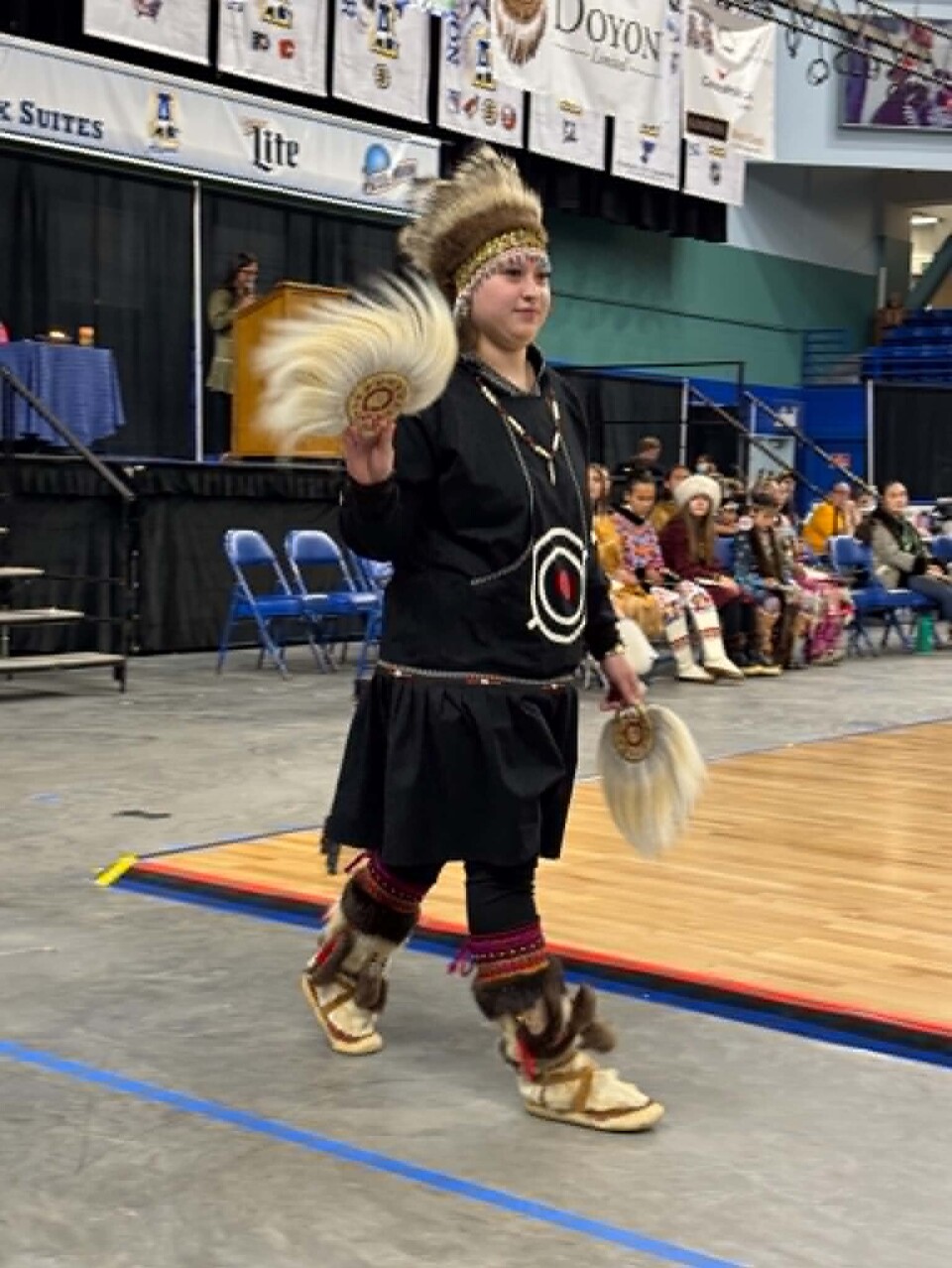
It is an annual cultural and sporting event held in Fairbanks, Alaska, and which since 1961 has aimed to preserve and continue the traditional games, skills and cultures among indigenous peoples in the Arctic.
Lone and Siuana Nikolajsen Hansenmother and daughter, participated in this year’s World Eskimo-Indian Olympics (WEIO) in Fairbanks.
It is an annual cultural and sporting event held in Fairbanks, Alaska, and which since 1961 has aimed to preserve and continue the traditional games, skills and cultures among indigenous peoples in the Arctic.
– Nuanneq! I am both happy and proud that I went and participated, says Lone Nikolajsen Hansen with a big smile to AG.
For Lone, the trip was extra memorable. She won two medals in the traditional competitions and could also claim to be the fastest to eat mattak, a discipline that celebrates an important part of Arctic food culture.
For mother and daughter, WEIO therefore became not only a competition, but also a celebration of the common cultural heritage that binds the Arctic peoples together across national borders.
– Participating is not just about competitions. It is also about identity and about celebrating our culture. Meeting our cousins is like seeing yourself in a mirror. It’s like meeting family you just haven’t known before, she says.
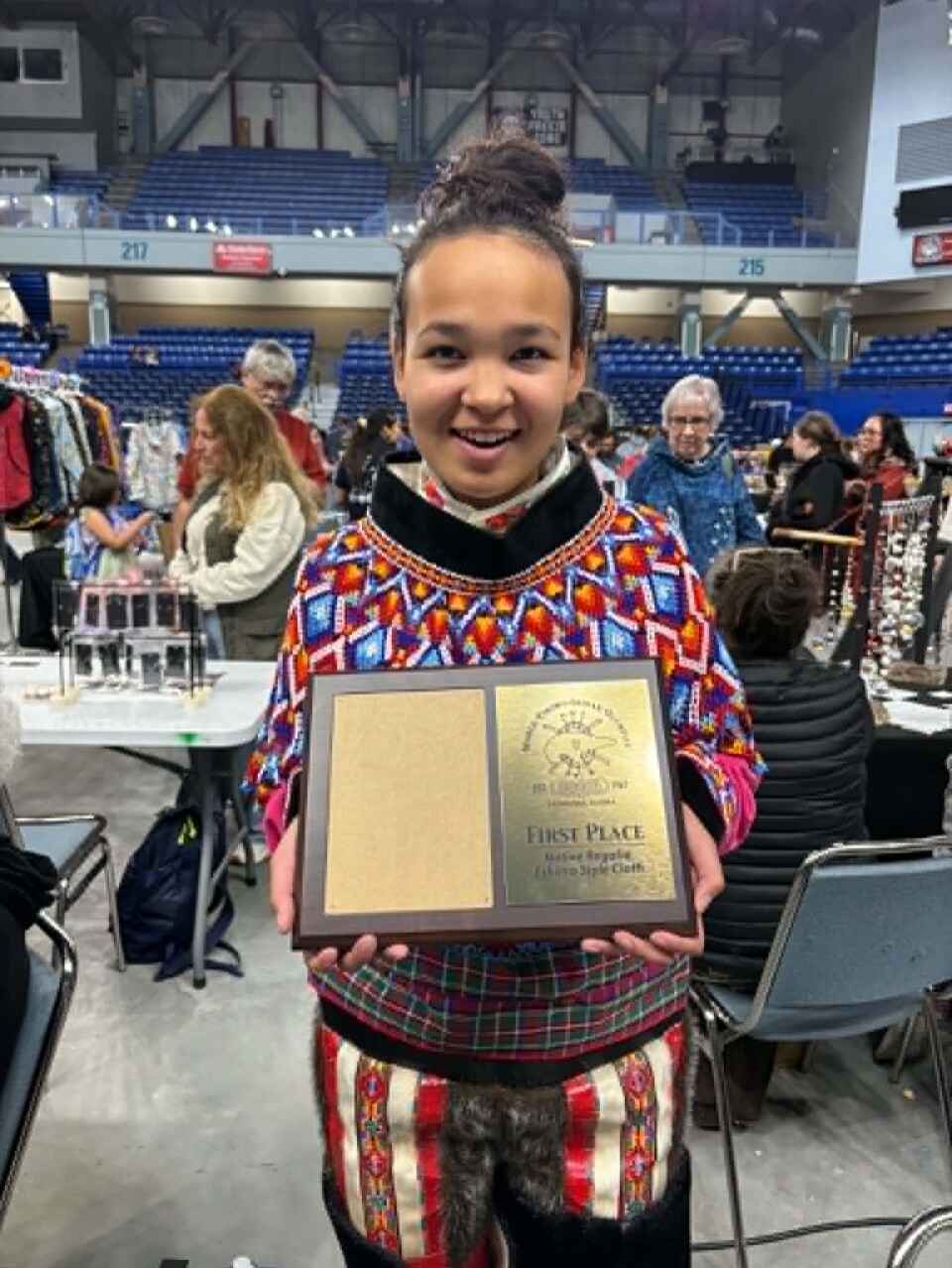
The daughter also impressed the judges and won first place in the Native Regalia – Eskimo Style Cloth category, where traditional costumes and craftsmanship are judged.
– I was so proud and happy. Perhaps it was the first time the audience experienced someone who quttasertoq – dancing, cheering, shouting and rolling around in joy. I couldn’t contain my excitement at all, she says with a smile.
For Lone Nikolajsen Hansen, the hope is that her story can inspire others to take the leap.
– I want to show that it can be done if you really want to. I myself live in Kapisillit, a settlement with only 40 inhabitants, but that need not be a limitation. Regardless of whether you live in a village or a city, it is possible to participate. You just have to believe that it can be done, she says.