Miami/A federal judge in Miami determined this Thursday that she has jurisdiction over the lawsuit that seeks the regularization of up to half a million Cubans in the United States who entered with the I-220A permit. The lawyers in the case described it as an “important victory” and a key step to reopen the doors to the Cuban Adjustment Act.
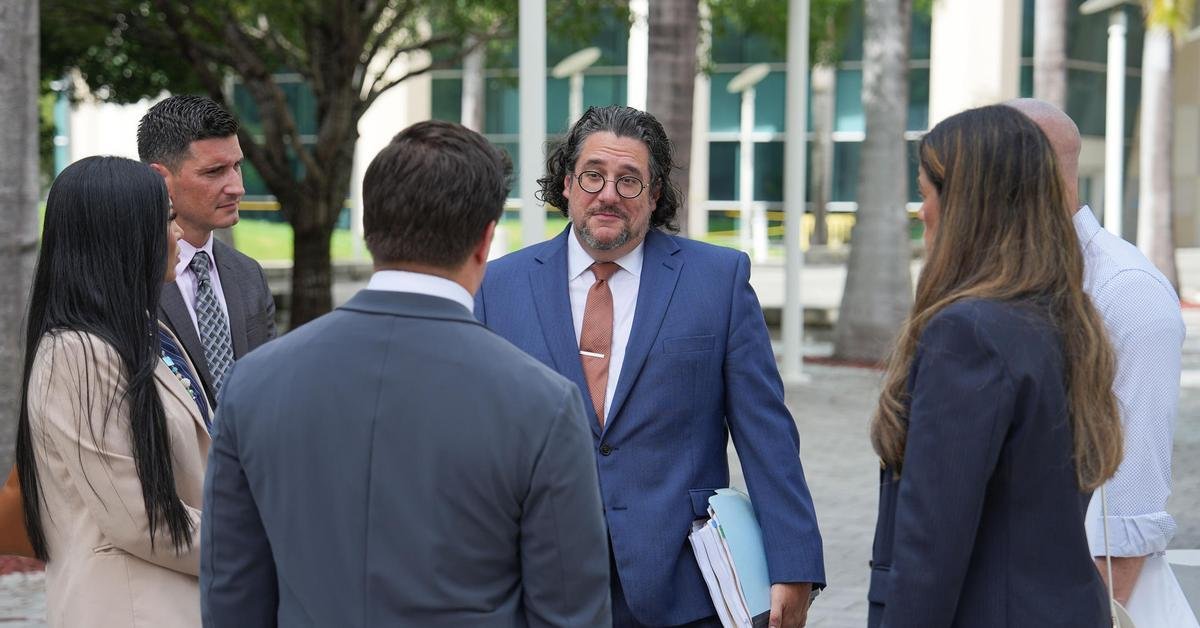
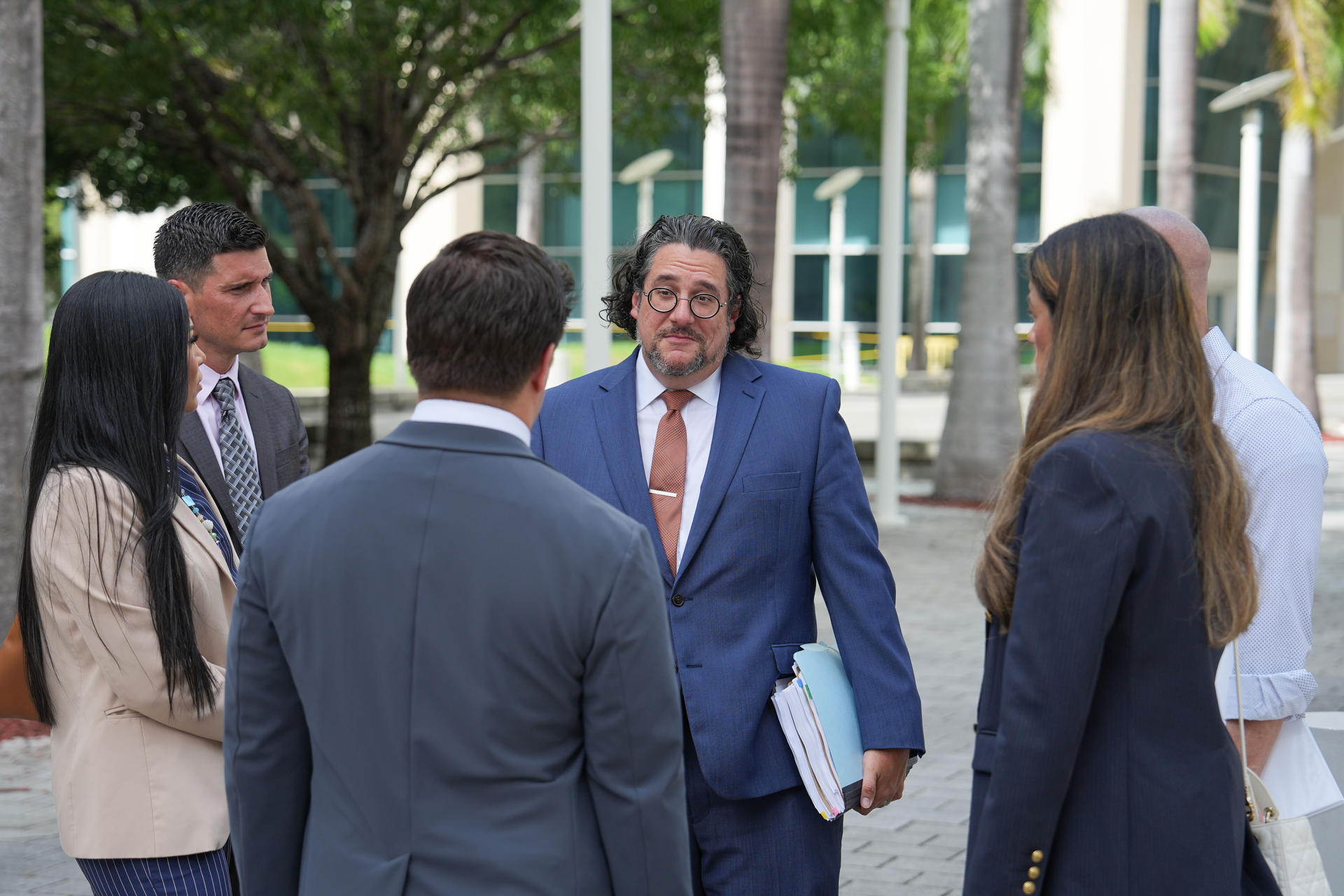
“The judge decided that she has jurisdiction to proceed with the case. That is the most important thing of all,” the lawyer said as he left the court. Mark Pradawhich leads the lawsuit.
Judge Jacqueline Becerra, of the Southern District of Florida, rejected the motion to dismiss filed by the Department of Homeland Security (DHS), confirming that the court has jurisdiction over the case.
However, he gave DHS lawyers a week to modify his request.
The background of the case is a lawsuit by 992 Cubans who entered through the Mexican border and who were left in legal limbo for receiving the provisional release order represented by the I-220A form upon being released by the immigration authorities. The plaintiffs seek that the United States recognize their legal status and the Cuban Adjustment Law, which for decades allowed Cuban nationals legal residence after one year of living in the country.
“We want to clarify that they meet the requirements to apply the Cuban Adjustment and then each person individually pursues their application;”
Following the judge’s preliminary decision, the court must resolve the certification of the lawsuit as a national “collective action”, which would protect all Cubans in similar situations, and define what the applicable legal remedy is.
Prada explained to the media that they seek to include all Cubans who lack a document known as parole (humanitarian immigration relief) to “open the door to applying to the Cuban Adjustment to as many people as possible.”
“We want to clarify that they meet the requirements to apply the Cuban Adjustment and then each person individually pursues their application; that people who already have a deportation order can request the opening of their case to an immigration judge,” he continued.
The central debate will focus on demonstrating that the immigration authorities processed and released these citizens with incorrect documentation at the border, when they were legally entitled to that historic immigration relief, enacted in 1966 by US President Lyndon B. Johnson, which offers a special and simplified procedure for Cuban citizens to obtain permanent residence in the US.
For her part, lawyer Claudia Cañizares stressed the “impatience” of the Cuban community in the face of a case of “great impact,” and noted that the judge herself urged the process to be expedited.
The case takes place in the midst of the immigration offensive of President Donald Trump’s Administration, which has multiplied the arrests of migrants and has drastically reduced the granting of residence permits.
The majority of Cubans with I-220 A are people who fled the Island after the massive anti-government protests of 2021
The majority of Cubans with I-220 A are people who fled the Island after the massive anti-government protests of 2021, in what was one of the largest stampedes, due to the “volcano route”, bound for Nicaragua.
After passing through Central America, thousands of them crossed the border between Mexico and the United States, the vast majority seeking to reach Florida. Many sold their properties on the Island, homes and vehicles, to finance the trip through several countries and pay the coyotes.
A little more than a year later, faced with that unstoppable exodus, Joe Biden’s Government established the parole humanitarian and, with it, the possibility of traveling to the United States legally and without the risks of traveling by land through Central America and Mexico. But the I-220A no longer had this grace.
In September 2023the US Superior Board of Immigration Appeals rejected the possibility that migrants who entered that country with the I-220A form could resort to the Cuban Adjustment Act (LAC) to request residency, forcing people to process their political asylum in a court in the ordinary way.