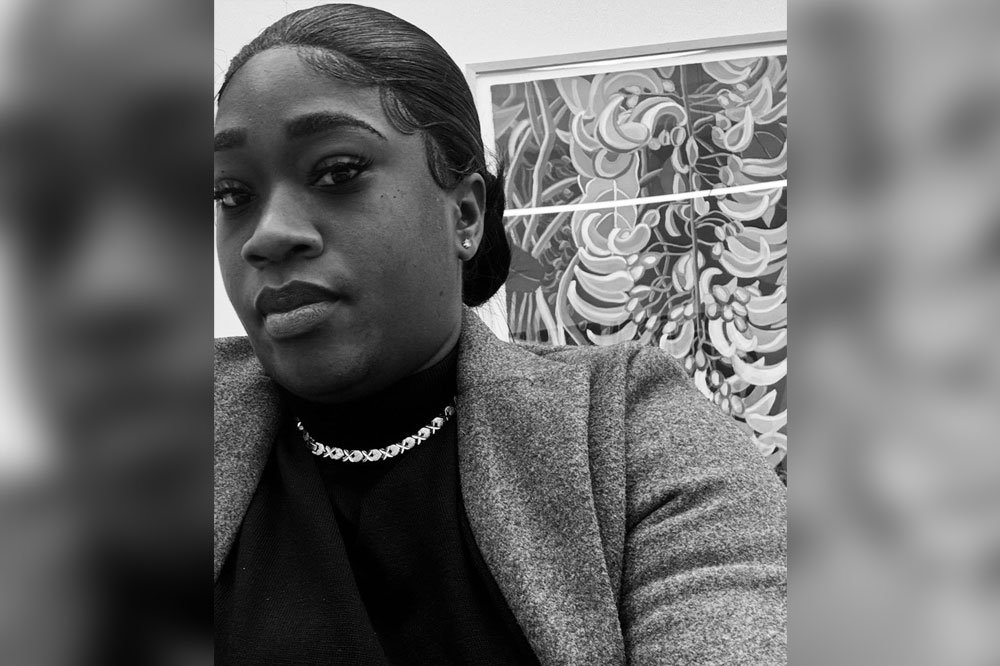
By Dr. Kerlester Johnney
As a teacher, I have learned one of the most important lessons of my career: children do not all learn in the same way, at the same pace, or under the same conditions.
Walk into any classroom and you will see it. One child understands after hearing a direction once. Another needs to see an example. One child can sit quietly and complete an assignment, while another needs movement, encouragement, repetition, or additional time. Some children express themselves beautifully through writing, while others may know the answer but struggle to put their thoughts into words.
These differences do not make one child more capable than another. They remind us that teaching must begin with understanding the child in front of us. For children with special educational needs, that understanding can make the difference between feeling defeated and discovering that they are capable of succeeding.
Sometimes, what adults see as “bad behavior” may actually be a child communicating a need. A child who constantly gets out of their seat may be struggling to regulate their body. A child who refuses to read aloud may be embarrassed because reading is difficult. A student who appears not to be listening may need directions broken into smaller steps. Another child may become frustrated because the classroom feels overwhelming.
As educators, we have to ask ourselves a different question. Instead of immediately asking, “What is wrong with this child?” we can ask, “What is this child trying to tell me, and what support might help?” That simple change in thinking can change the way we teach.
Children may be diagnosed with autism, ADHD, dyslexia, learning disabilities, speech and language difficulties, or other developmental and educational needs. These diagnoses can help families and educators understand what support a child may require, but a diagnosis should never become the only thing we see.
The child with autism is still a child with interests, talents, humor, feelings, and dreams. The child with dyslexia may struggle to decode words but have incredible ideas. The student with ADHD may find it difficult to remain seated for long periods while demonstrating creativity and curiosity that can light up a classroom.
Our responsibility is not simply to identify what children cannot do. We must discover what they can do and build from there.
Supporting a child with special educational needs does not always require something complicated. It might mean giving the child additional time, reading directions aloud, using pictures, modeling an example, allowing movement breaks, reducing distractions, providing repeated practice, or breaking a large assignment into smaller steps.
Sometimes it means sitting beside a struggling reader and saying, “Let’s try this together.” Those words may seem small to an adult, but to a child who has experienced failure repeatedly, they can mean everything.
We often speak about inclusion in education. But inclusion is not simply placing children with different abilities in the same room. True inclusion means making sure every child has meaningful access to learning.
A student should not spend the entire lesson confused simply because the lesson was delivered in only one way. Teachers can maintain high expectations while providing different pathways for children to reach those expectations. Fairness in education does not always mean giving every child exactly the same thing. Sometimes fairness means giving each child what they need to succeed.
Parents and caregivers also know their children in ways that educators may not. They know what motivates them, what frustrates them, what they fear, and what makes them proud. When teachers and families communicate openly, children benefit.
Parents should feel comfortable saying, “My child is struggling.” Teachers should feel comfortable saying, “I noticed something, and I think we should work together.” Those conversations should not begin with blame. They should begin with partnership.
After years of working with children, I have learned that students may eventually forget a worksheet, a test score, or even a particular lesson. But they often remember how a teacher made them feel.
They remember the teacher who was patient. They remember the teacher who noticed their progress. They remember the teacher who did not embarrass them when they struggled. And they remember the teacher who believed in them before they fully believed in themselves.
Every child who enters our classroom deserves that kind of teacher.
Our children will never all learn the same way and they shouldn’t have to. Our job as educators is not to create classrooms where every child looks, behaves, and learns exactly alike. Our job is to create classrooms where differences are understood, support is available, expectations remain high, and every child knows that there is a place for them.
Because sometimes a child does not need us to lower the bar. They simply need us to help them find a different way to reach it.