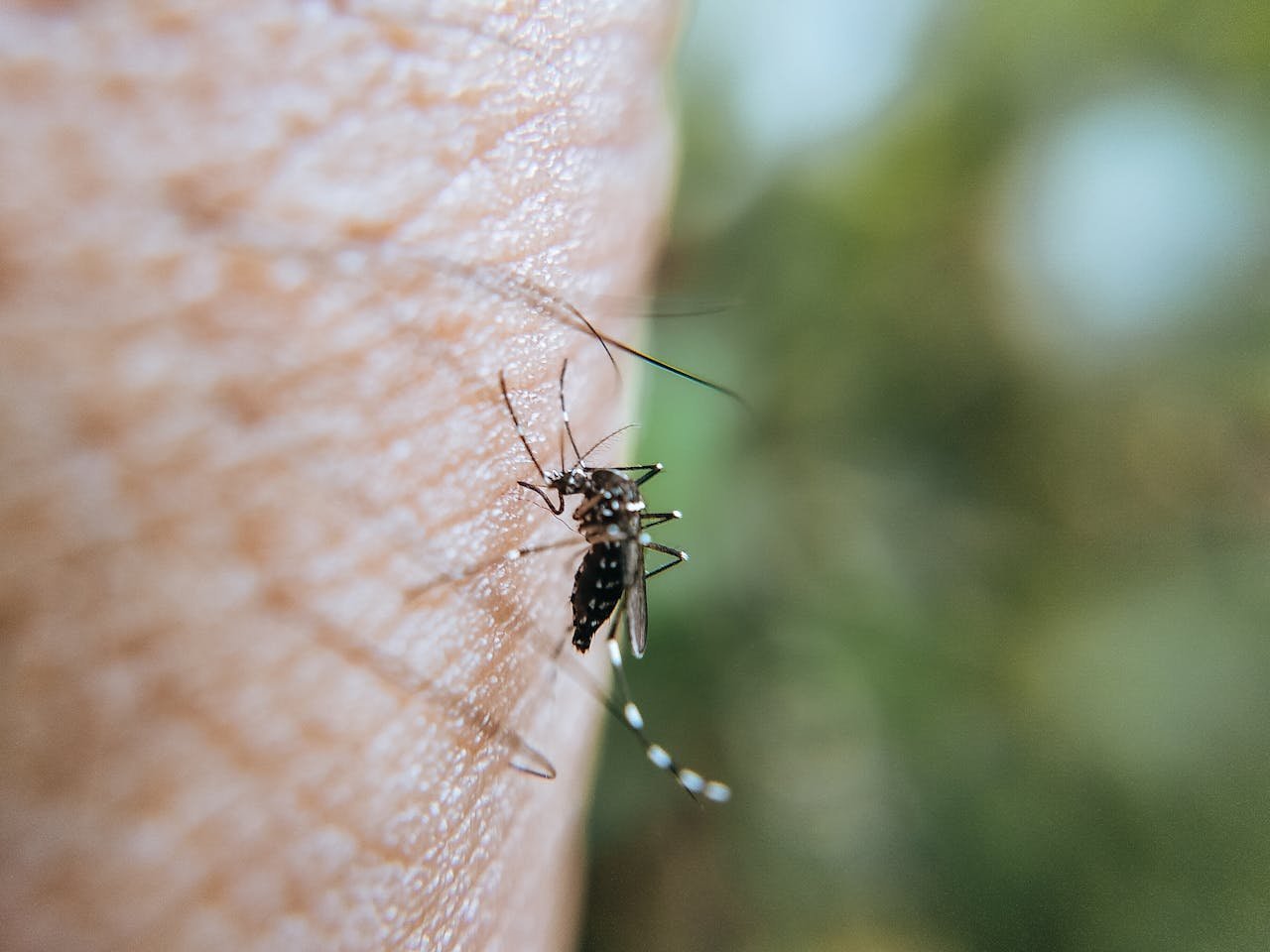

The latest study by researchers at the HUN-REN Center for Ecological Research could represent a significant breakthrough in epidemic prevention, as artificial intelligence (AI) can potentially identify disease-carrying species based on a single photo or audio recording, the Hungarian research institute reported in a press release.
Mosquitoes transmit numerous serious diseases, including malaria, dengue fever, chikungunya, and Zika fever. These diseases infect millions of people annually and cause hundreds of thousands of deaths worldwide. The most effective protection is based on prevention. To achieve this, it is necessary to continuously monitor mosquito populations, which enables early detection of risks and the timely implementation of necessary measures, such as mosquito control, the report states.
Mosquitoes produce the buzzing sound while flying through wing beats: the faster they beat their wings, the higher the sound frequency.
This sound varies by species, which is particularly useful because it means only those species that can actually cause problems—such as disease-carrying or invasive mosquitoes—need to be monitored.
Algorithms based on artificial intelligence already exist today that can identify mosquito species based on their sounds with up to 97% accuracy. However, the method has its limitations, for instance, when many species are present at the same time, when too few sound recordings are available to train the algorithm, or when the sounds of mosquitoes in nature differ from samples recorded under laboratory conditions. This is because the sound is influenced by numerous factors, such as temperature, humidity, sex, age, or the size of the individual insect.
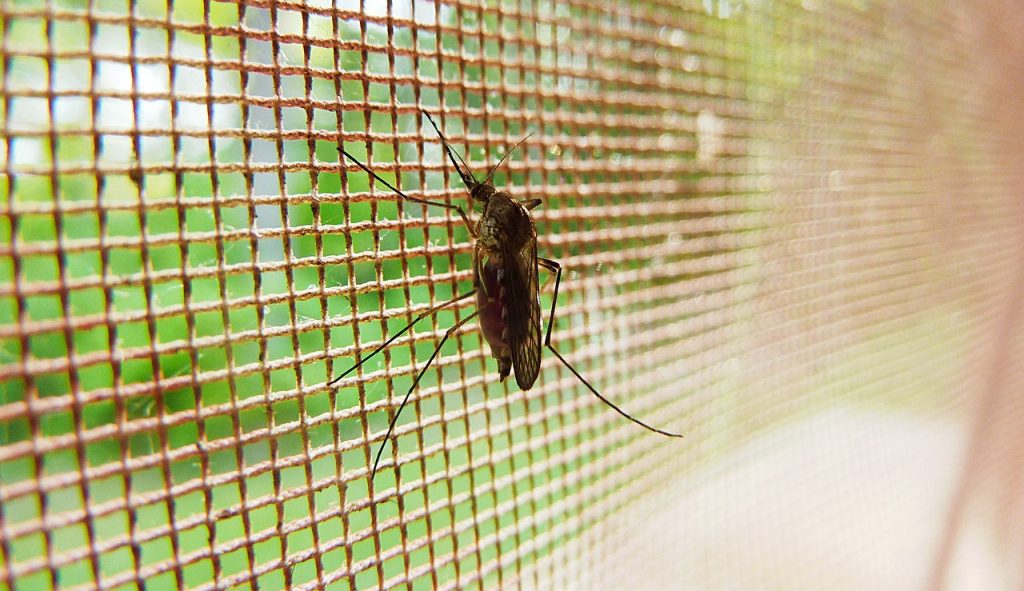
Photo: Pixabay
Researchers from the HUN-REN Center for Ecological Research, ELTE, and the University of Szeged have therefore conducted a detailed study of how these ecological and biological factors affect the diversity of mosquito sounds.
They analyzed the sounds of 475 specimens from ten mosquito species living in Hungary and found that the sounds contain both species-specific and even individual-specific information.
The accuracy of species identification can thus be further improved if AI applications also take these variables into account.
They also found that the sound of females is generally deeper than those of males, which is related to their body size. Temperature plays an important role as well: in a warmer environment, the mosquitoes’ muscles move faster, increasing the number of wing beats per unit of time, resulting in a higher pitch. However, this effect varies from species to species, which is why a uniform temperature correction applicable to all species cannot be applied.
The findings of the current study represent an important step toward effectively using AI in the future to monitor dangerous mosquito species under real-world conditions.

Via hun-ren.hu, Featured image: Pexels