![While restaurants and food delivery apps profit from AI-generated images, the loser in the situation is the hungry customer [File]](https://th-i.thgim.com/public/incoming/qd78j2/article71280060.ece/alternates/LANDSCAPE_1200/2024-10-31T060420Z_1467949700_RC2AKAA2KWO0_RTRMADP_3_SWIGGY-INDIA-IPO.JPG "While restaurants and food delivery apps profit from AI-generated images, the loser in the situation is the hungry customer [File]")
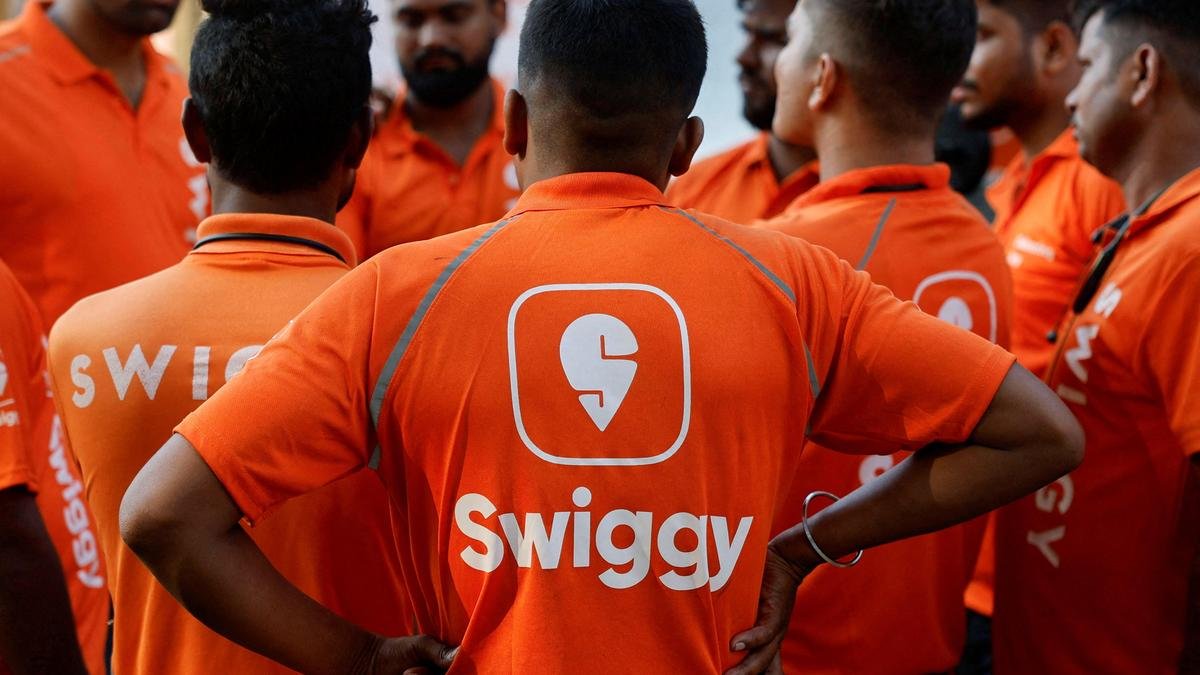
While restaurants and food delivery apps profit from AI-generated images, the loser in the situation is the hungry customer [File]
| Photo Credit: REUTERS
The use of AI-generated food images has made it challenging for customers to tell apart realistic food items from dishes that exist only in the cook’s dreams. A regular customer knows the disappointment of opening their takeaway box to find a meal that looks nowhere near as good as it did in the thumbnail image on their app.
A quick exploration of the Swiggy app revealed a number of restaurants using AI-generated images of food items including noodles, pizza, pulao, and more.

While there are some obvious signs of AI use — such as unnaturally flowing cheese, strange food textures, uniformly patterned vegetables, or artificially bright colours — other images can look real until the user enlarges the photo to see a faint AI disclaimer.
Swiggy’s own disclaimer page for restaurants that use AI-generated images notes that “dish details might be AI-crafted for a better experience.” However, the AI label is easy for hurried users to miss.

A small AI image disclaimer on Swiggy is easy to miss when the customer does not enlarge the image
| Photo Credit:
Swiggy App
In November 2023, Swiggy introduced a new “AI-Fuelled Photoshoot” feature to help level up restaurant menus. A sample before/after comparison of the feature showed a photo of a plate of food being brightened and injected with more colour.
However, AI text-to-image models now allow eateries to generate photos of food they may never be able to recreate in full.

A screenshot shows how even free AI models now allow users to generate highly convincing images of food
| Photo Credit:
Gemini App
By contrast, the Zomato platform featured fewer AI-generated images. In August 2024, then-CEO Deepinder Goyal said the company “strongly” discouraged the use of AI for menu images of restaurant dishes.
“AI-generated food/dish images are misleading, and we have received numerous customer complaints on this issue. Customers say that this leads to breach of trust, and it leads to higher complaints & refunds, and also, lower ratings,” he posted on the platform X, adding that Zomato would remove such existing images and stop accepting new ones.
His post also included a comparison, showing how an AI-generated hamburger appeared to depict a larger and cheesier product than the original.

While generative AI food images are neither allowed nor flagged as such on Zomato, there are still several eateries using heavily edited images that look as if they were generated with AI. Some signs included unrealistic pizzas with unnatural vegetable toppings, or overly uniform noodles that looked digitally altered, along with spices and perfectly diced ingredients.

Some outlets on Zomato still include highly synthetic-looking photos of food items, such as the thumbnail image on the bottom when compared to the one above it
| Photo Credit:
Zomato App
The evolution of AI models and their ability to generate hyper-realistic images with fewer machine-generated ‘tells’ also makes it easy for restaurants to supply false images of their food. Watermarks can be cropped from final images, while app users looking for a quick bite to eat are unlikely to scrutinise the tiny thumbnail images too closely before they place their order.
While restaurants and food delivery apps profit from AI-generated images, however, the loser in the situation is the hungry customer.
Published – July 29, 2026 07:00 pm IST