
Listen to this article
Estimated 3 minutes
The audio version of this article is generated by AI-based technology. Mispronunciations can occur. We are working with our partners to continually review and improve the results.
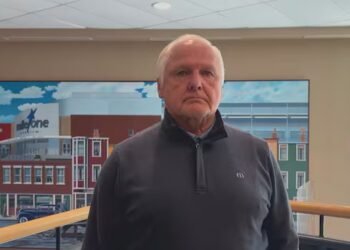
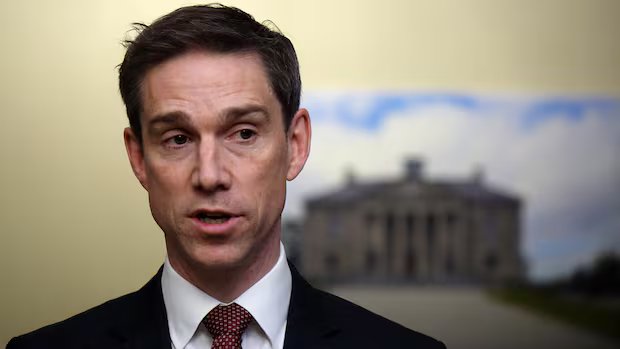
Opposition Leader John Hogan worries Newfoundland and Labrador could miss the chance to lower electricity costs for residents because the province didn’t sign onto a regional energy partnership with the Maritime provinces.
During the annual summer first ministers’ meeting, three provinces — Nova Scotia, New Brunswick and Prince Edward Island — announced a memorandum of understanding with the Canadian government aimed at addressing electricity affordability and strengthening transmission infrastructure.
N.L. did not sign the MOU and given that the Progressive Conservative government campaigned on making life more affordable during last year’s election, Hogan sees Premier Tony Wakeham’s absence as a red flag.
“Now, when there’s a regional initiative aimed at addressing exactly that, Premier Wakeham says his government has other priorities,” Hogan wrote in a Monday afternoon statement.
‘Focused on the Upper Churchill opportunities’
Wakeham, speaking before the Liberals released a statement, said the provincial government wasn’t a part of the MOU or at the table because N.L. is currently negotiating a new hydro electricity deal on the Churchill River with Quebec.
“We are focused on the Upper Churchill opportunities, the opportunities for a transmission line to Labrador West and also an upgrade for the Maritime Link to see how much power we can export through that,” Wakeham told reporters on July 24.
Energy Minister Lloyd Parrott echoed the premiers remarks through a statement to CBC on Monday, where he said because of ongoing negotiations with Quebec, the government is “not in a place to commit” to these kinds of regional agreements.

Despite the province’s stance, Hogan believes the province’s involvement in these discussions could “strengthen” their position as negotiations continue.
Not only that, he adds it gives the province an opportunity to explore alternative transmission opportunities.
“The premier himself points to increased transmission capacity and future exports as priorities. That makes it even harder to understand why his government would choose not to be part of conversations,” said Liberal energy critic Fred Hutton in the statement from Monday.
Even though the province didn’t sign on to the Maritimes MOU, Hogan is hopeful N.L. still might have a seat at the table, as he thinks this isn’t an opportunity the government should miss for residents.
A provincial election in Quebec is looming, and once called, both provinces will have to stop negotiating the Churchill Falls deal.
CBC has reached out to the government to clarify whether N.L. would reconsider joining the Maritime provinces on its energy MOU if the potential hydro deal does not come to fruition.
Download our free CBC News app to sign up for push alerts for CBC Newfoundland and Labrador. Sign up for our daily headlines newsletter here. Click here to visit our landing page.