father-in-law
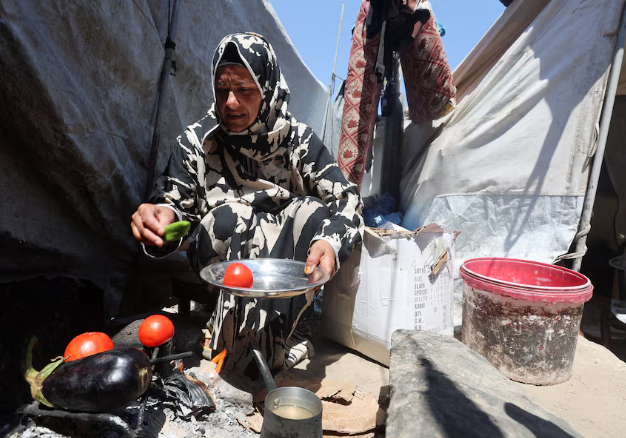
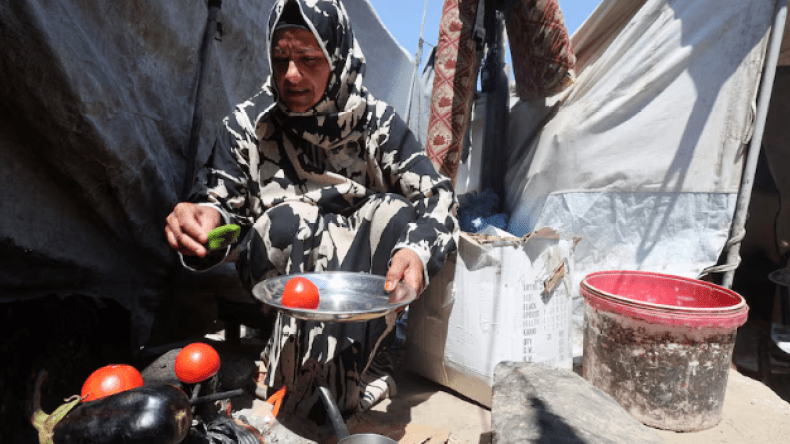
A displaced Palestinian woman in Khan Yunis
The IPC Global Observatory for Food Security warned on Thursday that more than two-thirds of Gaza’s population may be exposed to extreme hunger by the end of this year.
And come back Observatory This disastrous situation led to humanitarian relief agencies reducing aid flows to the population of the Strip, due to lack of funding.
The Observatory’s latest assessment showed that levels of acute malnutrition, especially among children, decreased significantly after food supplies and nutrition services increased following the October 2025 ceasefire.
But food consumption is still insufficient for most families, as more than 1.2 million people, or about 59 percent of Gaza’s population, were exposed to severe hunger during the period from mid-April to the end of last June.
This number is expected to rise to more than 1.4 million people, or 67 percent of the Gaza Strip’s population, by next December. At a time when the majority of Gaza’s population depends on aid supplies, after two years of war.
The “Integrated Phase Classification Framework for Food Security,” referred to by the abbreviation “IPC,” was established in 2004 at the level of the Food Security and Nutrition Analysis Unit of the Food and Agriculture Organization of the United Nations (FAO).
The IPC Observatory aims to enhance food security and nutrition analysis, to guide accurate and effective decisions in food crises. It relies on data from international organizations, UN agencies, and development and humanitarian bodies.