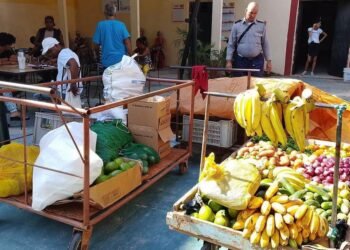
Havana/The street I walk on is called Hidalgo, but the poorest people in my neighborhood gather on one of its corners while they wait for bread from the ration book. There are those who could not survive without that support which, for others, is just a small portion of mass, sometimes acidic and other times almost greenish in color. I have a neighbor who goes down more than ten flights of stairs and then climbs them again just to ensure that addition to his daily ration. Poor quality, but still subsidized, that bread is still the mainstay of many of the people I pass every morning.
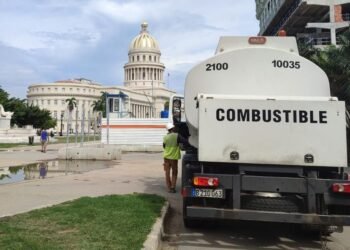
I jump over a stream of sewage water, a few meters from where a tamale seller offers his merchandise. I accelerate my pace towards La Timba. Only the building of the General Customs of the Republic seems freshly painted. Everything around me is parched by the heat and lack of rain, peeled by the crisis and dull by laziness. Even Paseo Street, once a sacred avenue of power, where caravans of official vehicles escorted by motorcyclists paraded, looks abandoned. Could the Party leaders have gotten on that plane and we don’t know? As in some novels, could it be that power in Cuba is nothing more than an empty shell that survives only in our imagination and in the offices of State Security?
Through everyday survival, “five” now means five hundred and “two” is enough to describe two hundred.
It’s not summer. In July and August everything usually stops a bit; The heat is crushing and the city seems to yawn with every step. But this year is something else. This is not slowness. It’s paralysis.
“It’s three to Prado,” the driver of the electric tricycle I get on in El Vedado tells me. Money has become so difficult to pronounce that we have ended up simplifying it. Through everyday survival, “five” now means five hundred and “two” is enough to describe two hundred. We remove zeros from conversations as quickly as those colored papers disappear from our pockets. But if “one” is equivalent to one hundred, what do we do with that bill that showed the face of José Martí and that for so long represented one peso? That one no longer exists. It has been erased by inflation and forgetfulness.
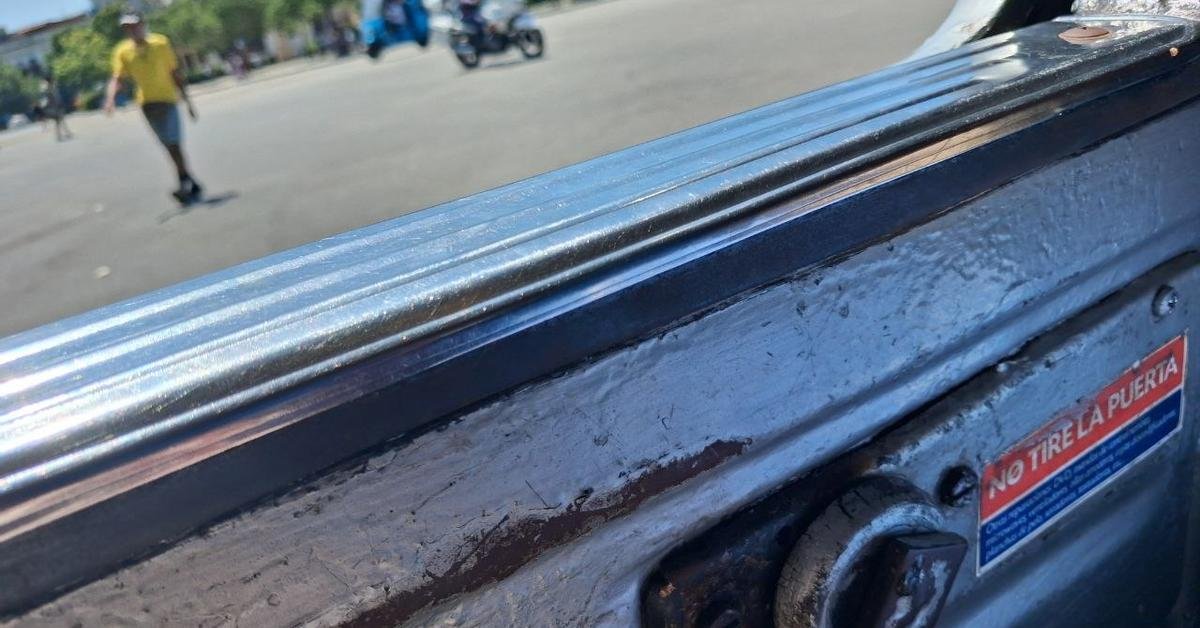
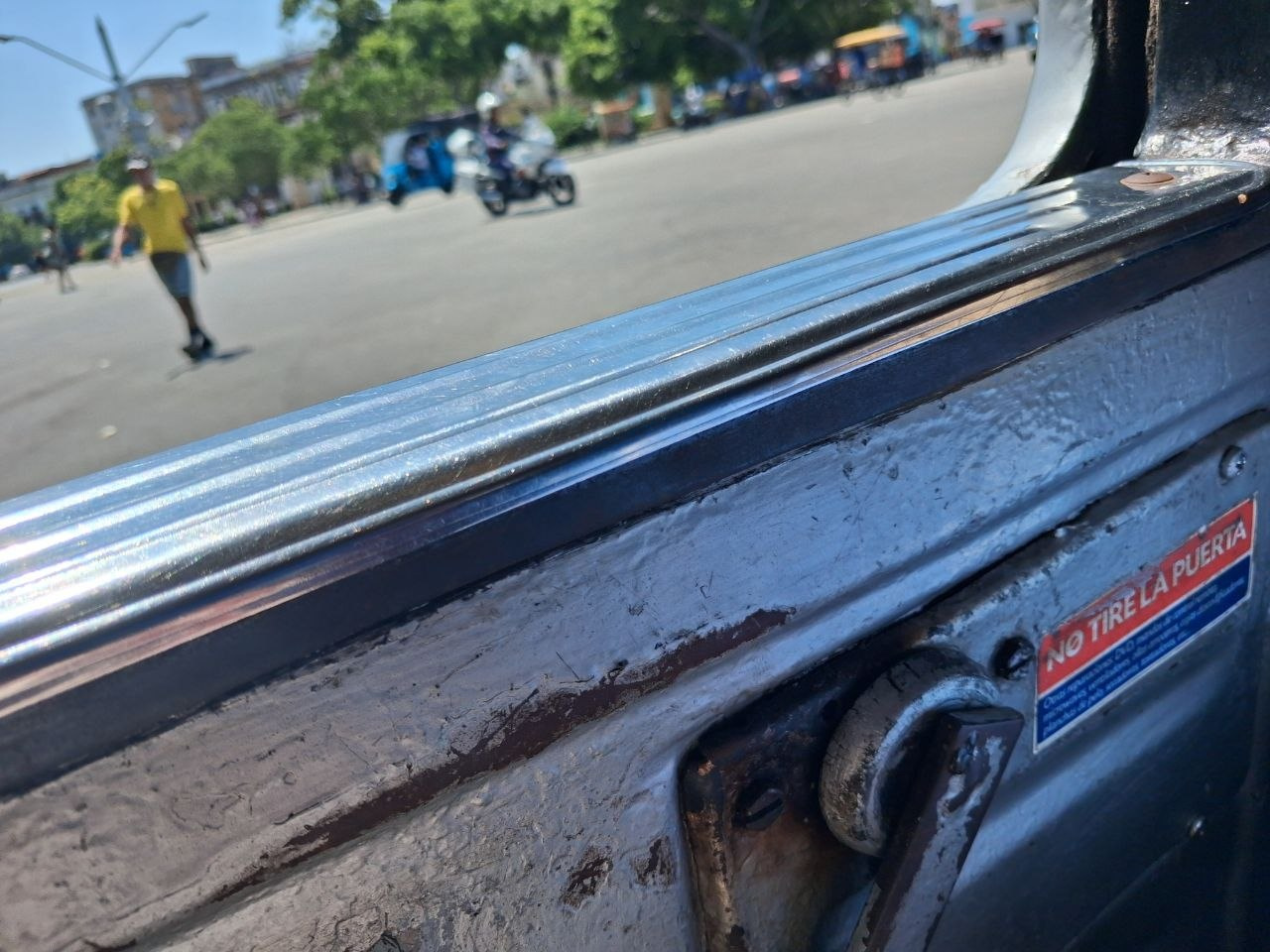
The almond tree that brings me back home runs at full speed. I travel pressed against the back door and in front of my face I have a sign that warns: “Do not open the door.” They ask us for a kind and courteous gesture in the midst of every man for himself. “There are five to Boyeros and Tulipán,” the driver explains to me. His phrase confirms that the zeros on the right are no longer worth anything; They have become as useless as those on the left. Just as we deleted hundreds and thousands of our conversations, we have also been stripping the days of any adornment. There is no more room for frills. Only the most urgent and basic needs remain.
Animalization rarely comes all at once. It sneaks in little by little. The true deterioration is not only in the streets or the facades
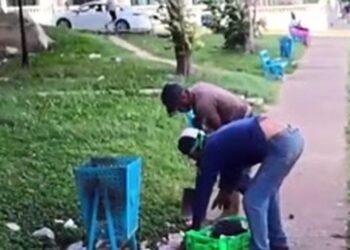
While I was walking a few days ago on Colón Street, a bag full of excrement crossed over my head before crashing onto the pavement. The residents of that area have been without water for days. Instead of accumulating their waste in a toilet that has no hope of flushing, they dump it in the nearest trash can. In this country we have been pushed to skip centuries of elementary teachings: mixing shit with public space ends up turning life into shit.
It is not the only setback. There are neighborhoods where people cook with firewood in the middle of the city and where the darkness of the blackouts forces them to sleep with the chickens. A friend called me a few days ago to invite me to a comedy show. “I can’t,” I told him, “I have to get up before five in the morning so I can connect to the Internet for a few minutes and do some household chores.”
Progress can’t just stop; It can also reverse at high speed.
Havana was not supported only by buildings or avenues. It was also based on invisible agreements: not to throw excrement out the window, to keep sewage away from where people cook. They are rules so old that they seem instinctive, but it only takes a prolonged crisis to discover that they are not. We have begun to accept as normal scenes that just a few years ago would have seemed typical of a refugee camp.
Animalization rarely comes all at once. It sneaks in little by little. The true deterioration is not only in the streets or in the facades. It lies in realizing that, to survive, we have had to forget too many things that kept us healthy and sane.