When José Salvador Alvarenga stumbled ashore on Ebon Atoll in the Marshall Islands in January 2014, island residents struggled to believe what they were hearing. The exhausted fisherman claimed he had been drifting across the Pacific Ocean for 438 days, surviving in a small open fishing boat after a storm pushed him far from Mexico’s coast. His account sounded almost impossible, yet investigators gradually confirmed key parts of the story. Alvarenga had disappeared after leaving the fishing village of Costa Azul in southern Mexico in December 2012 and was eventually found more than 6,700 miles (about 10,800 kilometres) away, making it one of the longest documented survival drifts ever recorded.
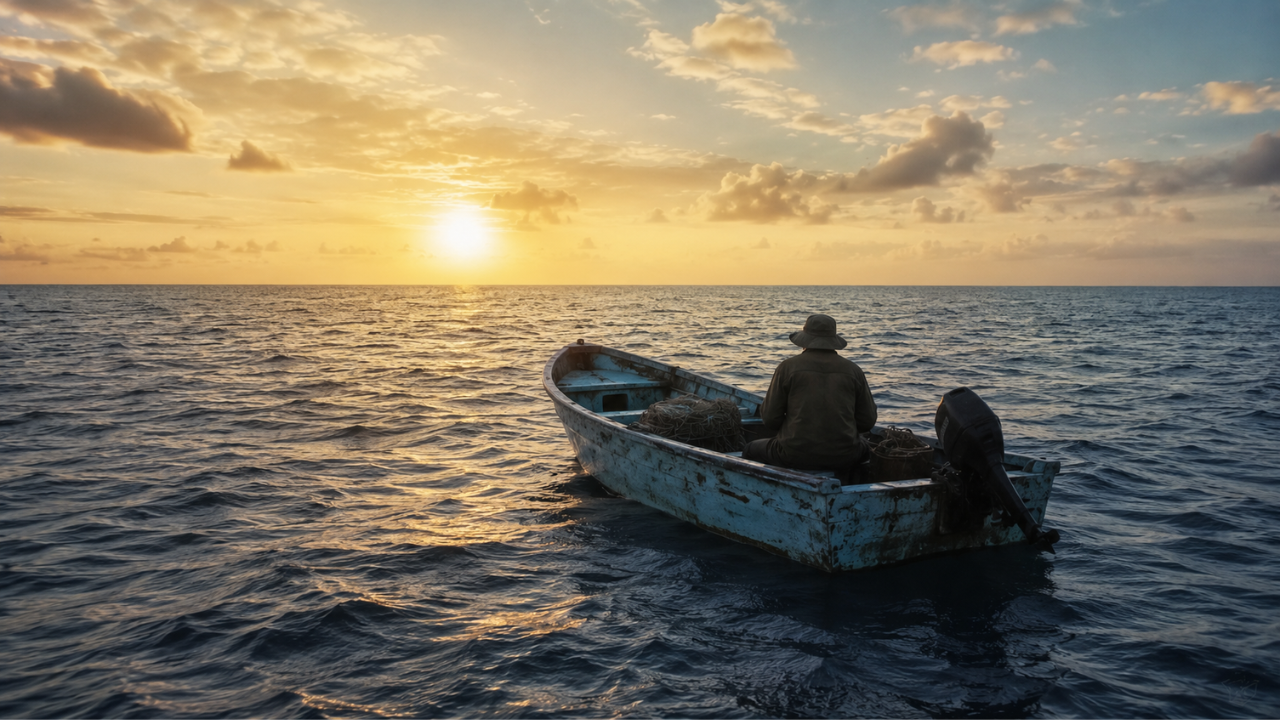
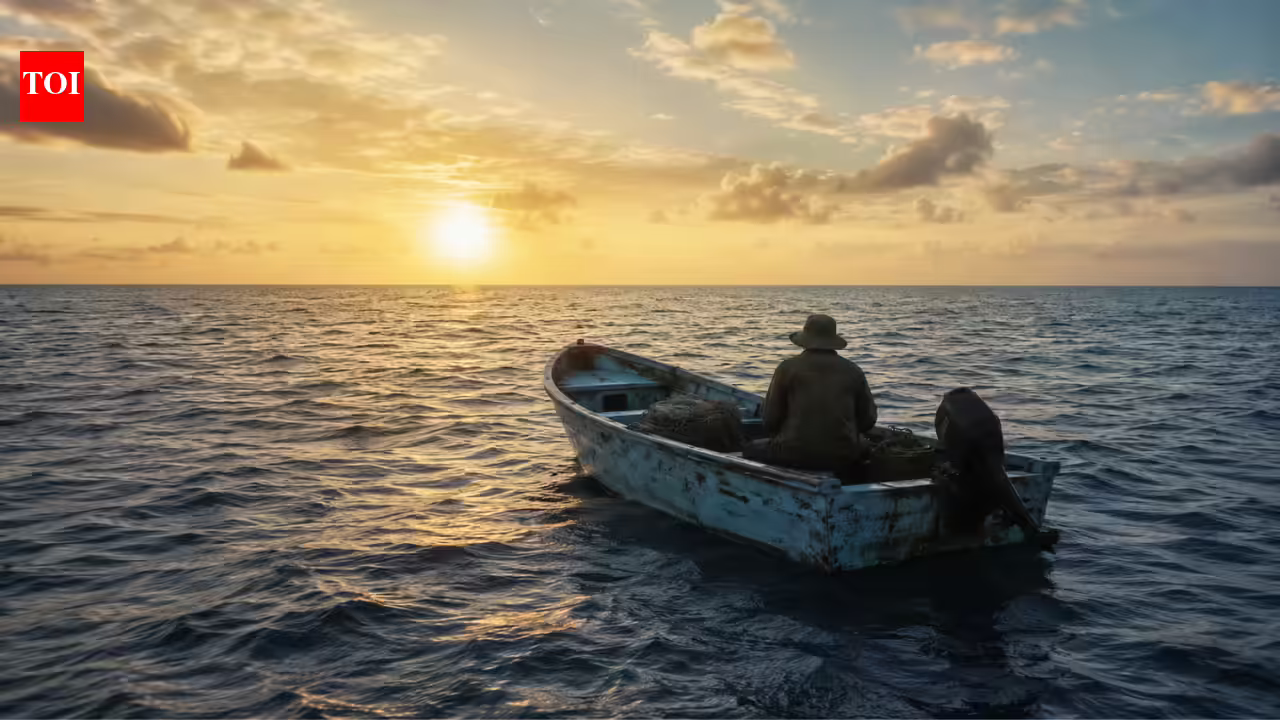
AI Representation: Alvarenga, originally from El Salvador, accepted what was expected to be a two-day shark-fishing expedition with a young crewmate, Ezequiel Córdoba, on December 21, 2012 | ChatGPT
A routine fishing trip turned into a fight to stay aliveAlvarenga, originally from El Salvador, accepted what was expected to be a two-day shark-fishing expedition with a young crewmate, Ezequiel Córdoba, on December 21, 2012. Shortly after leaving shore, violent weather overwhelmed their seven-metre fibreglass boat, disabling the engine and radio while powerful currents carried them farther into the Pacific. According to The Guardian, the pair initially survived on fish they caught with their hands and improvised tools, drinking rainwater collected in containers whenever storms passed overhead. When rain became scarce, Alvarenga later described drinking turtle blood and, at times, his own urine to delay dehydration. Sea turtles, fish, jellyfish and seabirds became their only reliable food as weeks turned into months with no sign of rescue. His companion died after refusing to eat raw animalsThe isolation became even more devastating after Córdoba struggled to adapt to their diet of uncooked marine animals. According to Alvarenga’s later interviews, the younger fisherman became increasingly weak after refusing to continue eating raw fish and turtles. He died roughly four months into the ordeal, leaving Alvarenga completely alone in the drifting boat. For several days, Alvarenga kept talking to his deceased companion before finally committing the body to the sea. The loneliness that followed became as difficult as finding food or water. During later interviews, he described marking time by observing the moon, talking aloud to himself and focusing on surviving one day at a time rather than thinking about rescue, an approach that helped him maintain hope despite having no idea where ocean currents were carrying him.

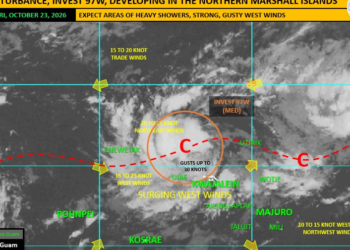
Marshall Islands | Wikimedia Commons
Experts spent months checking whether the story was possibleThe extraordinary account naturally drew skepticism. Oceanographers, maritime experts and government investigators examined currents, weather records and Alvarenga’s physical condition to determine whether such a drift could have occurred. Journalist Jonathan Franklin later reconstructed the voyage through interviews with scientists, coast guard officials, doctors and Alvarenga himself for the book 438 Days. Their investigation concluded that Pacific currents could indeed have carried a disabled vessel from the Mexican coast to the Marshall Islands over roughly fourteen months. Medical examinations also found that although Alvarenga was severely malnourished and dehydrated, his condition was broadly consistent with prolonged survival at sea supported by intermittent rainfall and a diet of marine animals. Alvarenga returned home to a world that had long assumed he was dead. His story continues to stand apart not because it involved advanced survival equipment or carefully planned preparation, but because it depended almost entirely on endurance, improvisation and the unpredictable movement of the Pacific Ocean.