Friday, July 10, 2026
    The GeoStrategic Consensus
    No Result
    View All Result
    • Login
    • HOME
    • AMERICAS
      • Argentina
      • Brazil
      • Canada
      • Chile
      • Colombia
      • Costa Rica
      • Cuba
      • Dominican Republic
      • Ecuador
      • El Salvador
      • Greenland
      • Guatemala
      • Honduras
      • Mexico
      • Nicaragua
      • Panama
      • Paraguay
      • Peru
      • United States
      • Uruguay
      • Venezuela
    • ASIA-PACIFIC
      • Australia
      • Brunei Darussalam
      • Cambodia
      • China
      • Federated States of Micronesia
      • Fiji
      • Indonesia
      • Japan
      • Kiribati
      • Laos
      • Malaysia
      • Marshall Islands
      • Mongolia
      • Myanmar
      • Nauru
      • New Zealand
      • North Korea
      • Palau
      • Papua New Guinea
      • Philippines
      • Samoa
      • Singapore
      • Solomon Islands
      • South Korea
      • Taiwan
      • Thailand
      • Timor-Leste
      • Tonga
      • Tuvalu
      • Vanuatu
      • Vietnam
    • CARICOM
      • CARICOM – Non-English
        • Haiti
        • Suriname
      • CARICOM Associates
        • Anguilla
        • Bermuda
        • British-Virgin-Islands
        • Cayman-Islands
        • Curacao
        • Turks-and-Caicos
      • CARICOM English
        • Antigua and Barbuda
        • Barbados
        • Belize
        • Dominica
        • Grenada
        • Guyana
        • Jamaica
        • Montserrat
        • Saint Kitts and Nevis
        • Saint Lucia
        • Saint Vincent and the Grenadines
        • The Bahamas
        • Trinidad and Tobago
    • EURASIA
      • Armenia
      • Azerbaijan
      • Balarus
      • Georgia
      • Kazakhstan
      • Kyrgyzstan
      • Moldova
      • Russia
      • Tajikistan
      • Turkmenistan
      • Ukraine
      • Uzbekistan
    • EUROPE
      • Albania
      • Andorra
      • Austria
      • Bosnia and Herzegovina
      • Bulgaria
      • Croatia
      • Cyprus
      • Czech Republic
      • Denmark
      • Estonia
      • Finland
      • France
      • Germany
      • Greece
      • Holy See
      • Hungary
      • Iceland
      • Ireland
      • Italy
      • Kosovo
      • Latvia
      • Liechtenstein
      • Lithuania
      • Luxembourg
      • Malta
      • Monaco
      • Montenegro
      • Netherlands
      • North Macedonia
      • Norway
      • Poland
      • Portugal
      • Romania
      • San Marino
      • Serbia
      • Slovakia
      • Slovenia
      • Spain
      • Sweden
      • Switzerland
      • United Kingdom
    • MIDDLE EAST AND NORTH AFRICA
      • Algeria
      • Bahrain
      • Egypt
      • Iran
      • Iraq
      • Israel
      • Jordan
      • Kuwait
      • Lebanon
      • Lybia
      • Morocco
      • Oman
      • Palestinian Territories
      • Qatar
      • Saudi Arabia
      • Syria
      • Tunisia
      • Turkey
      • United Arab Emirates
      • Western Sahara
      • Yemen
    • SOUTH ASIA
      • Afghanistan
      • Bangladesh
      • Bhutan
      • India
      • Maldives
      • Nepal
      • Pakistan
      • Sri Lanka
    • SUB-SAHARAN AFRICA
      • Angola
      • Benin
      • Botswana
      • Burkina Faso
      • Burundi
      • Cabo Verde
      • Cameroon
      • Central African Republic
      • Chad
      • Comoros
      • Cote d’Ivoire
      • Democratic Republic of the Congo
      • Djibouti
      • Equatorial Guinea
      • Eritrea
      • Eswatini
      • Ethiopia
      • Gabon
      • Gambia
      • Ghana
      • Guinea
      • Guinea Bissau
      • Kenya
      • Lesotho
      • Liberia
      • Madagascar
      • Malawi
      • Mali
      • Mauritania
      • Mauritius
      • Mozambique
      • Namibia
      • Niger
      • Nigeria
      • Republic of the Congo
      • Rwanda
      • Sao Tome and Principe
      • Senegal
      • Seychelles
      • Sierra Leone
      • Somalia
      • South Africa
      • South Sudan
      • Sudan
      • Tanzania
      • Togo
      • Uganda
      • Zambia
      • Zimbabwe
    • HOME
    • AMERICAS
      • Argentina
      • Brazil
      • Canada
      • Chile
      • Colombia
      • Costa Rica
      • Cuba
      • Dominican Republic
      • Ecuador
      • El Salvador
      • Greenland
      • Guatemala
      • Honduras
      • Mexico
      • Nicaragua
      • Panama
      • Paraguay
      • Peru
      • United States
      • Uruguay
      • Venezuela
    • ASIA-PACIFIC
      • Australia
      • Brunei Darussalam
      • Cambodia
      • China
      • Federated States of Micronesia
      • Fiji
      • Indonesia
      • Japan
      • Kiribati
      • Laos
      • Malaysia
      • Marshall Islands
      • Mongolia
      • Myanmar
      • Nauru
      • New Zealand
      • North Korea
      • Palau
      • Papua New Guinea
      • Philippines
      • Samoa
      • Singapore
      • Solomon Islands
      • South Korea
      • Taiwan
      • Thailand
      • Timor-Leste
      • Tonga
      • Tuvalu
      • Vanuatu
      • Vietnam
    • CARICOM
      • CARICOM – Non-English
        • Haiti
        • Suriname
      • CARICOM Associates
        • Anguilla
        • Bermuda
        • British-Virgin-Islands
        • Cayman-Islands
        • Curacao
        • Turks-and-Caicos
      • CARICOM English
        • Antigua and Barbuda
        • Barbados
        • Belize
        • Dominica
        • Grenada
        • Guyana
        • Jamaica
        • Montserrat
        • Saint Kitts and Nevis
        • Saint Lucia
        • Saint Vincent and the Grenadines
        • The Bahamas
        • Trinidad and Tobago
    • EURASIA
      • Armenia
      • Azerbaijan
      • Balarus
      • Georgia
      • Kazakhstan
      • Kyrgyzstan
      • Moldova
      • Russia
      • Tajikistan
      • Turkmenistan
      • Ukraine
      • Uzbekistan
    • EUROPE
      • Albania
      • Andorra
      • Austria
      • Bosnia and Herzegovina
      • Bulgaria
      • Croatia
      • Cyprus
      • Czech Republic
      • Denmark
      • Estonia
      • Finland
      • France
      • Germany
      • Greece
      • Holy See
      • Hungary
      • Iceland
      • Ireland
      • Italy
      • Kosovo
      • Latvia
      • Liechtenstein
      • Lithuania
      • Luxembourg
      • Malta
      • Monaco
      • Montenegro
      • Netherlands
      • North Macedonia
      • Norway
      • Poland
      • Portugal
      • Romania
      • San Marino
      • Serbia
      • Slovakia
      • Slovenia
      • Spain
      • Sweden
      • Switzerland
      • United Kingdom
    • MIDDLE EAST AND NORTH AFRICA
      • Algeria
      • Bahrain
      • Egypt
      • Iran
      • Iraq
      • Israel
      • Jordan
      • Kuwait
      • Lebanon
      • Lybia
      • Morocco
      • Oman
      • Palestinian Territories
      • Qatar
      • Saudi Arabia
      • Syria
      • Tunisia
      • Turkey
      • United Arab Emirates
      • Western Sahara
      • Yemen
    • SOUTH ASIA
      • Afghanistan
      • Bangladesh
      • Bhutan
      • India
      • Maldives
      • Nepal
      • Pakistan
      • Sri Lanka
    • SUB-SAHARAN AFRICA
      • Angola
      • Benin
      • Botswana
      • Burkina Faso
      • Burundi
      • Cabo Verde
      • Cameroon
      • Central African Republic
      • Chad
      • Comoros
      • Cote d’Ivoire
      • Democratic Republic of the Congo
      • Djibouti
      • Equatorial Guinea
      • Eritrea
      • Eswatini
      • Ethiopia
      • Gabon
      • Gambia
      • Ghana
      • Guinea
      • Guinea Bissau
      • Kenya
      • Lesotho
      • Liberia
      • Madagascar
      • Malawi
      • Mali
      • Mauritania
      • Mauritius
      • Mozambique
      • Namibia
      • Niger
      • Nigeria
      • Republic of the Congo
      • Rwanda
      • Sao Tome and Principe
      • Senegal
      • Seychelles
      • Sierra Leone
      • Somalia
      • South Africa
      • South Sudan
      • Sudan
      • Tanzania
      • Togo
      • Uganda
      • Zambia
      • Zimbabwe
    No Result
    View All Result
    Agentially
    No Result
    View All Result
    Home AMERICAS Peru

    The puna resists climate change: Peruvian families who protect wetlands and alpacas in increasingly hostile habitats

    The Analyst by The Analyst
    July 10, 2026
    in Peru
    The puna resists climate change: Peruvian families who protect wetlands and alpacas in increasingly hostile habitats


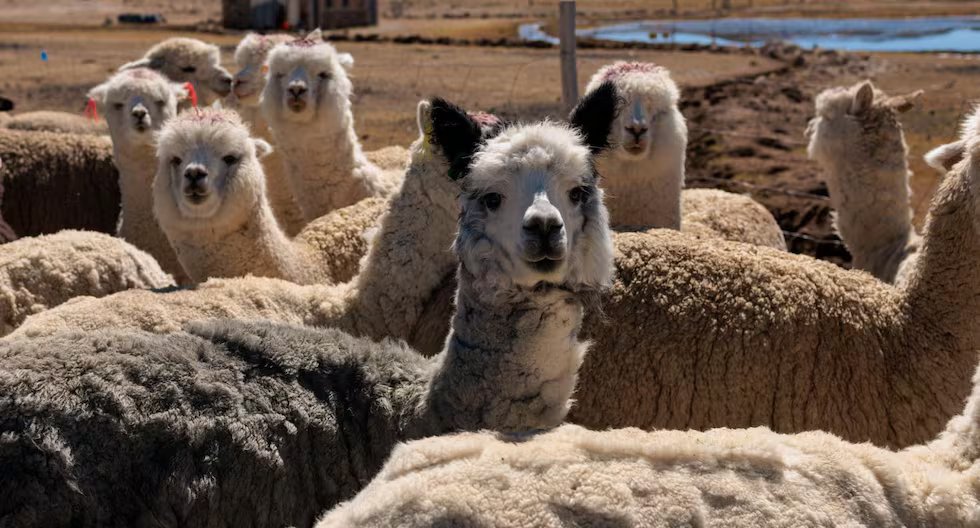
    At five in the afternoon, when the sun begins to hide behind the apus and the cold once again takes possession of the puna, hundreds of alpacas make their way back to their pens, avoiding the frozen puddles that cover the landscape. Several women usually observe them carefully. They make sure that no one is left behind. Furthermore, before nightfall, they delicately check that none of these camelids presents signs of pneumonia or diarrhea, increasingly frequent due to the harsh frosts that climate change has brought with it. Then it’s time to save energy and prepare for the next day’s work: clean the canals that feed the wetland, fertilize each path as if it were about preserving the future.

    At more than 4,300 meters above sea level, in Chalhuanca, province of Caylloma (Arequipa), this routine has been repeated for several generations. However, today it has a new face. While many men in the community migrate to mining or other activities in search of higher income, it is the women who remain in the countryside and maintain the daily work that keeps the alpacas, pastures and wetlands alive.

    READ ALSO

    Tremor in Chile today LIVE Friday, July 10: epicenter and magnitude of the last earthquake | National Seismological Center | Santiago | Socaire | lbposting

    PUCP Film Festival opens with historical exhibition, violent assault on gold transport in Surco, and controversy over award to José Jerí

    “We women have had to take charge in the field because many of the men in the community have left the town to go work in other things, like the mines,” says Victoria Vilca, alpaca breeder. “Now we are in charge of protecting the wetlands, of giving life to the dry land through fertilizer and also of an ancient activity known as Oq’o Karpay, which consists of opening a path for water to moisten the wetlands and maintain them,” he adds.

    Walter Vilca, representative of one of the alpaca families of Chalhuanca, Arequipa, poses with one of his conceits in the bofedales that preserve water, and life itself, in the puna. (Photo: Richard Hirano)

    Walter Vilca, representative of one of the alpaca families of Chalhuanca, Arequipa, poses with one of his conceits in the bofedales that preserve water, and life itself, in the puna. (Photo: Richard Hirano)

    / @richardhirano

    His testimony summarizes a silent change that goes through life in the puna. If before responsibilities were shared between men and women, today around 80% of the daily work on the ranches falls on them. They are the ones who herd the alpacas before dawn, lead them back to the corral at dusk, monitor the condition of the calves, clean the water channels, fertilize the pastures and face a climate that no longer behaves as it did just a few decades ago.

    LOOK: How robots are beginning to sneak into the daily lives of Peruvians

    At first glance, a wetland looks like an extensive green carpet that breaks the monotony of the dry puna. However, for those who live here, it is much more than a high Andean wetland. It is the heart of the ecosystem.

    “The wetland is like a water mattress,” explains Walter Vilca, representative of the Chalhuanca alpaca family. “It stores water throughout the year and gradually releases it into the river. Thanks to that we have permanent grass. That is the difference with dry land, where grass only appears when it rains.”

    In a region where rainfall is increasingly unpredictable, the wetlands become the guarantee of food for the alpacas during the twelve months of the year. But preserving them is far from a natural process. It requires constant work.

    After being chosen as the winner of the Puna 2025 Competitive Fund, the Chalhuanca association also has access to grassland and wetland regeneration workshops (in the photo). (Photo: Richard Hirano)

    After being chosen as the winner of the Puna 2025 Competitive Fund, the Chalhuanca association also has access to grassland and wetland regeneration workshops (in the photo). (Photo: Richard Hirano)

    YOU MAY BE INTERESTED: The best views of Lima? The nominees for Best rooftop at the Somos 2026 Awards

    Every week the families clean the canals through which the water circulates, remove the vegetation that obstructs its passage, repair intakes and perform Oq’o Karpay, an ancestral practice that distributes water evenly to prevent some areas from drying out while others become saturated.

    “The work is almost daily,” says Walter, pointing to a network of small hand-opened canals. “We have to repair the wetlands permanently because the vegetation grows and blocks the passage of water. If we stop doing so, the wetland stops working.”

    So far in 2026, Colca Camel aims to distribute around 917 thousand pounds of alpaca fiber in the market. (Photo: Richard Hirano)

    So far in 2026, Colca Camel aims to distribute around 917 thousand pounds of alpaca fiber in the market. (Photo: Richard Hirano)

    Conservation also happens underground. Families use the manure from the alpacas themselves to fertilize the soil in different ways: moving it in wheelbarrows, rotating the pens so that the animals fertilize new areas or distributing it manually over the pastures. Everything responds to knowledge accumulated over generations that seeks to keep alive an ecosystem on which the entire production chain depends.

    In figures

    4,300 meters above sea level

    is the altitude at which Chalhuanca is located, an Arequipa town whose main livelihood is alpaca shearing.

    1,500 hectares

    Chalhuanca has approximately 1,000,000 wetlands. These natural wetlands are decisive for the food and sustenance of the alpacas, even in times without rain.

    450 alpacas

    The Aguada Blanca farm, in Arequipa, has on average. One of the main impacts of climate change on these camelids is diseases (diarrhea and pneumonia) during frosts.

    “Before, the extreme cold began between June and July,” says Victoria Vilca. “Now we have had frost since March.” The change may seem small to someone who lives in the city, but in the puna it means additional months of low temperatures and a greater risk for newborn alpacas. Respiratory and digestive diseases are becoming more common.

    But this alteration does not only affect animals. It also forces us to rethink the way in which communities manage the territory.

    “Climate change has modified the ecosystem and, therefore, it has also affected the way in which people manage their space,” explains Edgardo Cruzado, manager of the Puna Contestable Fund, from Profonanpe. “Alpacas have modified their way of living because the ecosystem changed. This implies that communities have to learn new ways of management, combining the knowledge they already had with specialized information,” he reinforces.

    LOOK: Julia Codesido’s house in Pueblo Libre and the dream of transforming it into a cultural circuit like Frida Kahlo’s in Mexico

    Far from replacing ancestral knowledge, the objective is to strengthen it. Technical teams work together with the communities to identify native plant species, evaluate their medicinal usefulness and monitor the behavior of water in the wetlands through study plots and satellite photographs. The information obtained allows us to measure which practices work best and how to adapt them to an increasingly uncertain climate.

    Who makes it possible?

    Colca Camel has obtained financing from the Puna Competitive Fund of the Puna Resiliente project, a joint effort led by the Ministry of Agrarian Development and Irrigation, with support from the Ministry of the Environment, Sernanp, Profonanpe, the German cooperation GIZ, the Mountain Institute, the Green Climate Fund, and the governments of Germany and Canada.

    Along these lines, the Puna Resiliente 2025 Competitive Fund is especially relevant, through which the communities of Chalhuanca and Colca Camel stand out as winners. From this, they will receive financing for improvements in their processes, as well as training and technical assistance. This reaches its entire production chain, which does not end in the field, but is repowered with the shearing of the world-admired camelid.

    After shearing, the alpaca fiber (divided between super baby alpaca, baby alpaca, superfine, fine and coarse) is collected by Colca Camel, a local company that is in charge of its distribution. (Photo: Richard Hirano)

    After shearing, the alpaca fiber (divided between super baby alpaca, baby alpaca, superfine, fine and coarse) is collected by Colca Camel, a local company that is in charge of its distribution. (Photo: Richard Hirano)

    Twice a year, between March and December, the community participates in one of the most important activities on the calendar: shearing. On those days, neighbors and entire families gather to carefully remove the fiber from the animals, a process that requires skill to avoid harming the alpacas and preserving the quality of one of the finest natural fibers in the world.

    “Our work does not end in the field, but continues throughout the chain,” explains Edith Cayllahua, president of the Joyas del Colca association. “Then we help with the collection of the fiber and its classification according to quality: fine, superfine and other categories. In addition, with part of that fiber we have trained ourselves to make threads and crafts such as bags, gloves, sweaters and hats,” adds Cayllahua.

    Local women participate in the entire production chain of alpaca care. In the photo: Luisa, Constantina, Olivia and Victoria spin, weave and show their unique pieces. (Photo: Richard Hirano)

    Local women participate in the entire production chain of alpaca care. In the photo: Luisa, Constantina, Olivia and Victoria spin, weave and show their unique pieces. (Photo: Richard Hirano)

    Learning to spin and make garments not only opens up new income possibilities: it also allows part of the work to remain in the territory and not end up solely in the textile industry.

    Thus, everything acts as a perfect circle. It begins when someone cleans a canal so that the water continues to flow with the ancient Oq’o Karpay. It continues when another person distributes the alpaca manure to recover the grass. Continue caring for a sick calf during a frosty morning. Then comes the shearing, the gathering, the classification and, finally, the hands that turn that fiber into a thread or a garment. Each link depends on the previous one. Therefore, talking about an alpaca in the puna is also talking about water, wetlands and, of course, the people who protect them, as protagonists of this story as the fiber that continues to amaze the world today. //

    Source link

    Related Posts

    Tremor in Chile today LIVE Friday, July 10: epicenter and magnitude of the last earthquake | National Seismological Center | Santiago | Socaire | lbposting
    Peru

    Tremor in Chile today LIVE Friday, July 10: epicenter and magnitude of the last earthquake | National Seismological Center | Santiago | Socaire | lbposting

    July 10, 2026
    PUCP Film Festival opens with historical exhibition, violent assault on gold transport in Surco, and controversy over award to José Jerí
    Peru

    PUCP Film Festival opens with historical exhibition, violent assault on gold transport in Surco, and controversy over award to José Jerí

    July 10, 2026
    Keiko Fujimori says that she will resort to emergency decrees to face the El Niño emergency
    Peru

    Keiko Fujimori says that she will resort to emergency decrees to face the El Niño emergency

    July 10, 2026
    Who is Flavio Cruz? The new Minister of Labor, the food process he faced and his defense of Vladimir Cerrón
    Peru

    Who is Flavio Cruz? The new Minister of Labor, the food process he faced and his defense of Vladimir Cerrón

    July 10, 2026
    Jackson Mora Case: Prosecutor’s Office requests 18 months of preventive detention against Tilsa Lozano’s ex-husband and eight others involved
    Peru

    Jackson Mora Case: Prosecutor’s Office requests 18 months of preventive detention against Tilsa Lozano’s ex-husband and eight others involved

    July 9, 2026
    Tremor in Mexico LIVE today, July 9, 2026: exact time, magnitude and where was the epicenter of the latter via SSN | CDMX Microseism
    Peru

    Tremor in Mexico LIVE today, July 9, 2026: exact time, magnitude and where was the epicenter of the latter via SSN | CDMX Microseism

    July 9, 2026
    Next Post
    DOMLEC investigating island-wide power outage

    DOMLEC investigating island-wide power outage

    POPULAR NEWS

    Hungary…the best team in history – Al-Shorouk Online

    Hungary…the best team in history – Al-Shorouk Online

    July 6, 2026
    Opinion | Parental Consent in the Smartphone Age

    Opinion | Parental Consent in the Smartphone Age

    July 6, 2026
    The innocence of Wasim and the ugliness of the warehouse – Al-Shorouk Online

    The innocence of Wasim and the ugliness of the warehouse – Al-Shorouk Online

    July 7, 2026
    Football: Soccer-Ten-man England survive Mexico comeback to reach quarter-finals

    Football: Soccer-Ten-man England survive Mexico comeback to reach quarter-finals

    July 6, 2026
    José María Balcázar: They reveal that the president’s trips within the country have cost the State more than a million soles in recent times

    José María Balcázar: They reveal that the president’s trips within the country have cost the State more than a million soles in recent times

    July 6, 2026

    EDITOR'S PICK

    Indian External Affairs Minister visits Oman today

    Indian External Affairs Minister visits Oman today

    July 10, 2026
    SVG providing financial assistance to earthquake hit Venezuela

    SVG providing financial assistance to earthquake hit Venezuela

    July 10, 2026
    Pacific queens gather in Fiji as pageant spotlight turns on regional issues

    Pacific queens gather in Fiji as pageant spotlight turns on regional issues

    July 7, 2026
    11J: The Cuban exile keeps the cry of 11J alive in Madrid

    11J: The Cuban exile keeps the cry of 11J alive in Madrid

    July 9, 2026

    Recent Posts

    • Lewis to build on strong foundation as new Executive Director of NIS
    • Greenlandic patient undergoing treatment in Denmark: I suddenly ran out of data in the middle of Copenhagen
    • Unions and Churches Absent from Today’s Anti-Corruption Protest
    • Vanuatu gets VT30M annually from airspace

      © 2026 Agentially - Navigating shifting sovereignties and global risk .

      Welcome Back!

      Login to your account below

      Forgotten Password?

      Retrieve your password

      Please enter your username or email address to reset your password.

      Log In
      No Result
      View All Result
      • HOME
      • AMERICAS
        • Argentina
        • Brazil
        • Canada
        • Chile
        • Colombia
        • Costa Rica
        • Cuba
        • Dominican Republic
        • Ecuador
        • El Salvador
        • Greenland
        • Guatemala
        • Honduras
        • Mexico
        • Nicaragua
        • Panama
        • Paraguay
        • Peru
        • United States
        • Uruguay
        • Venezuela
      • ASIA-PACIFIC
        • Australia
        • Brunei Darussalam
        • Cambodia
        • China
        • Federated States of Micronesia
        • Fiji
        • Indonesia
        • Japan
        • Kiribati
        • Laos
        • Malaysia
        • Marshall Islands
        • Mongolia
        • Myanmar
        • Nauru
        • New Zealand
        • North Korea
        • Palau
        • Papua New Guinea
        • Philippines
        • Samoa
        • Singapore
        • Solomon Islands
        • South Korea
        • Taiwan
        • Thailand
        • Timor-Leste
        • Tonga
        • Tuvalu
        • Vanuatu
        • Vietnam
      • CARICOM
        • CARICOM – Non-English
          • Haiti
          • Suriname
        • CARICOM Associates
          • Anguilla
          • Bermuda
          • British-Virgin-Islands
          • Cayman-Islands
          • Curacao
          • Turks-and-Caicos
        • CARICOM English
          • Antigua and Barbuda
          • Barbados
          • Belize
          • Dominica
          • Grenada
          • Guyana
          • Jamaica
          • Montserrat
          • Saint Kitts and Nevis
          • Saint Lucia
          • Saint Vincent and the Grenadines
          • The Bahamas
          • Trinidad and Tobago
      • EURASIA
        • Armenia
        • Azerbaijan
        • Balarus
        • Georgia
        • Kazakhstan
        • Kyrgyzstan
        • Moldova
        • Russia
        • Tajikistan
        • Turkmenistan
        • Ukraine
        • Uzbekistan
      • EUROPE
        • Albania
        • Andorra
        • Austria
        • Bosnia and Herzegovina
        • Bulgaria
        • Croatia
        • Cyprus
        • Czech Republic
        • Denmark
        • Estonia
        • Finland
        • France
        • Germany
        • Greece
        • Holy See
        • Hungary
        • Iceland
        • Ireland
        • Italy
        • Kosovo
        • Latvia
        • Liechtenstein
        • Lithuania
        • Luxembourg
        • Malta
        • Monaco
        • Montenegro
        • Netherlands
        • North Macedonia
        • Norway
        • Poland
        • Portugal
        • Romania
        • San Marino
        • Serbia
        • Slovakia
        • Slovenia
        • Spain
        • Sweden
        • Switzerland
        • United Kingdom
      • MIDDLE EAST AND NORTH AFRICA
        • Algeria
        • Bahrain
        • Egypt
        • Iran
        • Iraq
        • Israel
        • Jordan
        • Kuwait
        • Lebanon
        • Lybia
        • Morocco
        • Oman
        • Palestinian Territories
        • Qatar
        • Saudi Arabia
        • Syria
        • Tunisia
        • Turkey
        • United Arab Emirates
        • Western Sahara
        • Yemen
      • SOUTH ASIA
        • Afghanistan
        • Bangladesh
        • Bhutan
        • India
        • Maldives
        • Nepal
        • Pakistan
        • Sri Lanka
      • SUB-SAHARAN AFRICA
        • Angola
        • Benin
        • Botswana
        • Burkina Faso
        • Burundi
        • Cabo Verde
        • Cameroon
        • Central African Republic
        • Chad
        • Comoros
        • Cote d’Ivoire
        • Democratic Republic of the Congo
        • Djibouti
        • Equatorial Guinea
        • Eritrea
        • Eswatini
        • Ethiopia
        • Gabon
        • Gambia
        • Ghana
        • Guinea
        • Guinea Bissau
        • Kenya
        • Lesotho
        • Liberia
        • Madagascar
        • Malawi
        • Mali
        • Mauritania
        • Mauritius
        • Mozambique
        • Namibia
        • Niger
        • Nigeria
        • Republic of the Congo
        • Rwanda
        • Sao Tome and Principe
        • Senegal
        • Seychelles
        • Sierra Leone
        • Somalia
        • South Africa
        • South Sudan
        • Sudan
        • Tanzania
        • Togo
        • Uganda
        • Zambia
        • Zimbabwe

      © 2026 Agentially - Navigating shifting sovereignties and global risk .

      This website uses cookies. By continuing to use this website you are giving consent to cookies being used. Visit our Privacy and Cookie Policy.