The journey to parenthood is usually filled with excitement and anticipation. Parents eagerly prepare for the arrival of their child—decorating nurseries, buying baby clothes, choosing names, and dreaming about the future. They imagine first birthdays, school graduations, and the many milestones that lie ahead.
For some families, however, that journey takes an unexpected turn. Complications before or during delivery, or an unforeseen genetic condition, may result in the birth of a child with a neurodevelopmental or other disability. Nothing truly prepares a parent for that moment. The emotions can be overwhelming. Fear, uncertainty, grief, guilt, anger and anxiety often coexist as families come to terms with a future they had never imagined. Many parents eventually experience anxiety, depression and caregiver burnout.
Beyond the emotional impact lies the reality of lifelong caregiving. Parents suddenly find themselves navigating a complex healthcare and social support system. Many encounter long waiting times for specialist appointments, shortages of developmental paediatricians, psychologists, audiologists, speech therapists and other professionals, delays in accessing grants and financial assistance, and the high cost of psychological and educational assessments.
For families with financial resources and strong support networks, these challenges may be manageable. For many others, however, they are overwhelming. Some parents cannot afford special education programmes, transportation to therapy appointments, or the specialised educational tools their children require.
Several years ago, the contracts of many special education teachers were allowed to lapse. This left vulnerable children—many of whom thrive on routine and trusting relationships with their teachers—without the continuity and support they desperately needed.
Against this backdrop, the National Parenting and Caregivers Seminar for Children and Adolescents with Disabilities, held on July 4, offered something many families have long been seeking: hope.
The seminar, organised through the collaborative efforts of the National Parent Teacher Association (NPTA), government ministries and other stakeholders, promoted a holistic approach to supporting children with disabilities and their caregivers.
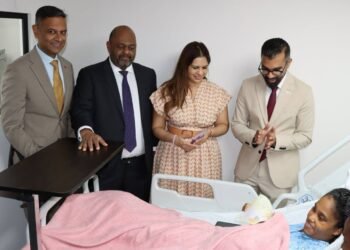
Minister of Social Development and Family Services, Vandana Mohit, outlined a vision of better coordination of services and stronger support for families. Representatives from her ministry explained the intervention programmes and support services currently available. She acknowledged the existing gaps while outlining plans to strengthen support through an all-of-government approach that connects families with the resources they need.
The Childhood Enhancement Centre is now providing developmental assessments while serving as a central hub to coordinate services and guide parents through what can often be an overwhelming system.
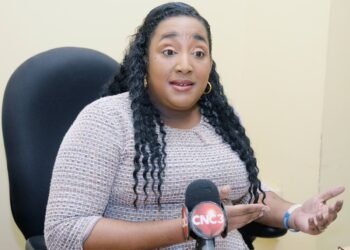
National Family Services director Mary Bastien, medical social worker Anessa Hamilton-Legan and Francis Escayg were among the panellists who shared personal experiences and practical guidance that resonated deeply with parents in attendance.
Minister of Homeland Security Roger Alexander also pledged his support, reminding attendees that national security begins within the family.
Attorney Ria Mohammed, speaking from her professional expertise and personal experience as the parent of a child with special needs, highlighted the legal rights of children with disabilities and the importance of ensuring those rights are protected.
Closing the event, attorney Zaheer Ali, director of the Policy and Community Support Office (PACSO), committed to reviewing existing legislation to identify opportunities to strengthen legal protections and improve access to services for persons with disabilities.
Perhaps the seminar’s greatest achievement was reminding parents that they are not alone.
Raising a child with disabilities is rarely the journey parents envisioned. It demands extraordinary patience, resilience and sacrifice. Yet, with coordinated government support, accessible services and compassionate communities, families can move beyond merely coping to helping their children reach their fullest potential.
The collaborative efforts demonstrated at this seminar deserve recognition. Walter Stewart and the NPTA should be commended for bringing together key stakeholders. Minister Mohit and her ministry deserve praise for their commitment to improving services and establishing the Childhood Enhancement Centre. Minister Alexander’s support reflects the importance of strengthening families as the foundation of society.
For parents raising children with disabilities, hope often begins with knowing that someone is listening—and that meaningful help is finally beginning to come together.