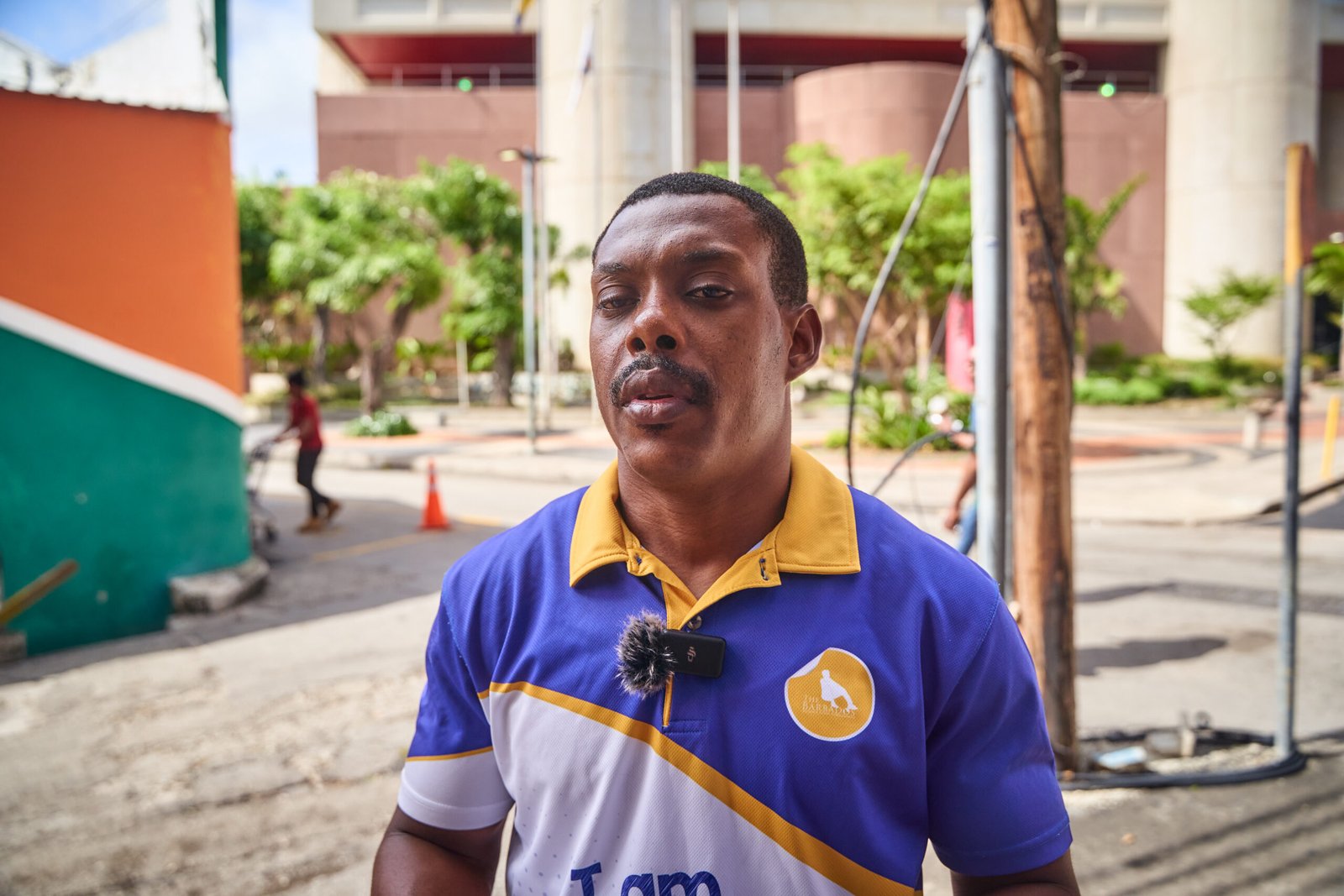
The Barbados Alliance to End Homelessness (BAEH) has again appealed for a state emergency policy to protect homeless people by moving them to safe shelter during hurricanes.
Two months into the Atlantic hurricane season, the head of the alliance, Kemar Saffrey, expressed concern for those who are homeless and have mental illnesses and other issues who do not see an immediate threat to their safety and refrain from seeking shelter during disasters.
He said: “If it’s not there [or] if it’s there already—we need to utilise it similar to COVID, emergency state order where we can put these persons up into the relevant organizations, whether it be the psychiatric hospital, whether it be other institutions that serve drug addiction but we need a policy that looks at state of emergency.”
Saffrey argued that many homeless people are willing to take risks and delay seeking shelter.
“What I find is that our clients like to risk a lot because, not only just because they are homeless, but because that’s a mentality of Barbadians that we that haven’t been hit by a hurricane, so let me rattle it out and let me do what I have to do. I will wait and see if it gets here, and oftentimes that probably is too late, because you can’t move from where you are to a safer location.”
He suggested emergency powers similar to those used during the COVID-19 pandemic could be invoked during hurricanes:
“We should be looking at invoking that on [the] vulnerable population, especially homeless, and find a safe haven and then obviously for all other organisations that may be similar, in terms of any street feeding or anything like that so that, when the all clear is given, then we can act in terms of how do we address them, but we will know that beyond that they’re safe.”
He called for greater collaboration among non-government agencies that interact with or assist the homeless:
“Whether it be other shelters that may be available, I don’t think that there are any other shelters, but if there are, we would like to form our own little committee… we can merge, share our resources, share our [Information].”
Saffrey noted that while the alliance has been included in more disaster preparedness meetings, it wants greater involvement in planning:
“We have already started to see the organisation being recognised in certain areas. We would still like to see us being invited to certain meetings as it relates to the most vulnerable, so that we are also updated on what is going on.
“We do sit on several small committees, and we do have a collaboration with the Department of Emergency Management, but I do see some meetings that we would still like to be included in and that we can give our input and our expertise.”
Saffrey declared that the alliance’s Spry Street shelter is fully prepared for the hurricane season, with the capacity to accommodate about 130 people:
“We are well equipped to handle the hurricane season and what may happen, in terms of our capacity to host persons, our ability to feed them, in the meantime, our building is structurally sound, and so we are ready and have been preparing for the hurricane season.”
People living in unsafe or dilapidated homes should follow the Department of Emergency Management’s guidance and make use of official emergency shelters when they are opened, he said. But although the Spry Street shelter is intended primarily for homeless people, anyone who turns up seeking safety during a hurricane would not be turned away, Saffrey pledged.
(LG)