Friday, August 21, 2026
    The GeoStrategic Consensus
    No Result
    View All Result
    • Login
    • HOME
    • AMERICAS
      • Argentina
      • Brazil
      • Canada
      • Chile
      • Colombia
      • Costa Rica
      • Cuba
      • Dominican Republic
      • Ecuador
      • El Salvador
      • Greenland
      • Guatemala
      • Honduras
      • Mexico
      • Nicaragua
      • Panama
      • Paraguay
      • Peru
      • United States
      • Uruguay
      • Venezuela
    • ASIA-PACIFIC
      • Australia
      • Brunei Darussalam
      • Cambodia
      • China
      • Federated States of Micronesia
      • Fiji
      • Indonesia
      • Japan
      • Kiribati
      • Laos
      • Malaysia
      • Marshall Islands
      • Mongolia
      • Myanmar
      • Nauru
      • New Zealand
      • North Korea
      • Palau
      • Papua New Guinea
      • Philippines
      • Samoa
      • Singapore
      • Solomon Islands
      • South Korea
      • Taiwan
      • Thailand
      • Timor-Leste
      • Tonga
      • Tuvalu
      • Vanuatu
      • Vietnam
    • CARICOM
      • CARICOM – Non-English
        • Haiti
        • Suriname
      • CARICOM Associates
        • Anguilla
        • Bermuda
        • British-Virgin-Islands
        • Cayman-Islands
        • Curacao
        • Turks-and-Caicos
      • CARICOM English
        • Antigua and Barbuda
        • Barbados
        • Belize
        • Dominica
        • Grenada
        • Guyana
        • Jamaica
        • Montserrat
        • Saint Kitts and Nevis
        • Saint Lucia
        • Saint Vincent and the Grenadines
        • The Bahamas
        • Trinidad and Tobago
    • EURASIA
      • Armenia
      • Azerbaijan
      • Balarus
      • Georgia
      • Kazakhstan
      • Kyrgyzstan
      • Moldova
      • Russia
      • Tajikistan
      • Turkmenistan
      • Ukraine
      • Uzbekistan
    • EUROPE
      • Albania
      • Andorra
      • Austria
      • Bosnia and Herzegovina
      • Bulgaria
      • Croatia
      • Cyprus
      • Czech Republic
      • Denmark
      • Estonia
      • Finland
      • France
      • Germany
      • Greece
      • Holy See
      • Hungary
      • Iceland
      • Ireland
      • Italy
      • Kosovo
      • Latvia
      • Liechtenstein
      • Lithuania
      • Luxembourg
      • Malta
      • Monaco
      • Montenegro
      • Netherlands
      • North Macedonia
      • Norway
      • Poland
      • Portugal
      • Romania
      • San Marino
      • Serbia
      • Slovakia
      • Slovenia
      • Spain
      • Sweden
      • Switzerland
      • United Kingdom
    • MIDDLE EAST AND NORTH AFRICA
      • Algeria
      • Bahrain
      • Egypt
      • Iran
      • Iraq
      • Israel
      • Jordan
      • Kuwait
      • Lebanon
      • Lybia
      • Morocco
      • Oman
      • Palestinian Territories
      • Qatar
      • Saudi Arabia
      • Syria
      • Tunisia
      • Turkey
      • United Arab Emirates
      • Western Sahara
      • Yemen
    • SOUTH ASIA
      • Afghanistan
      • Bangladesh
      • Bhutan
      • India
      • Maldives
      • Nepal
      • Pakistan
      • Sri Lanka
    • SUB-SAHARAN AFRICA
      • Angola
      • Benin
      • Botswana
      • Burkina Faso
      • Burundi
      • Cabo Verde
      • Cameroon
      • Central African Republic
      • Chad
      • Comoros
      • Cote d’Ivoire
      • Democratic Republic of the Congo
      • Djibouti
      • Equatorial Guinea
      • Eritrea
      • Eswatini
      • Ethiopia
      • Gabon
      • Gambia
      • Ghana
      • Guinea
      • Guinea Bissau
      • Kenya
      • Lesotho
      • Liberia
      • Madagascar
      • Malawi
      • Mali
      • Mauritania
      • Mauritius
      • Mozambique
      • Namibia
      • Niger
      • Nigeria
      • Republic of the Congo
      • Rwanda
      • Sao Tome and Principe
      • Senegal
      • Seychelles
      • Sierra Leone
      • Somalia
      • South Africa
      • South Sudan
      • Sudan
      • Tanzania
      • Togo
      • Uganda
      • Zambia
      • Zimbabwe
    • HOME
    • AMERICAS
      • Argentina
      • Brazil
      • Canada
      • Chile
      • Colombia
      • Costa Rica
      • Cuba
      • Dominican Republic
      • Ecuador
      • El Salvador
      • Greenland
      • Guatemala
      • Honduras
      • Mexico
      • Nicaragua
      • Panama
      • Paraguay
      • Peru
      • United States
      • Uruguay
      • Venezuela
    • ASIA-PACIFIC
      • Australia
      • Brunei Darussalam
      • Cambodia
      • China
      • Federated States of Micronesia
      • Fiji
      • Indonesia
      • Japan
      • Kiribati
      • Laos
      • Malaysia
      • Marshall Islands
      • Mongolia
      • Myanmar
      • Nauru
      • New Zealand
      • North Korea
      • Palau
      • Papua New Guinea
      • Philippines
      • Samoa
      • Singapore
      • Solomon Islands
      • South Korea
      • Taiwan
      • Thailand
      • Timor-Leste
      • Tonga
      • Tuvalu
      • Vanuatu
      • Vietnam
    • CARICOM
      • CARICOM – Non-English
        • Haiti
        • Suriname
      • CARICOM Associates
        • Anguilla
        • Bermuda
        • British-Virgin-Islands
        • Cayman-Islands
        • Curacao
        • Turks-and-Caicos
      • CARICOM English
        • Antigua and Barbuda
        • Barbados
        • Belize
        • Dominica
        • Grenada
        • Guyana
        • Jamaica
        • Montserrat
        • Saint Kitts and Nevis
        • Saint Lucia
        • Saint Vincent and the Grenadines
        • The Bahamas
        • Trinidad and Tobago
    • EURASIA
      • Armenia
      • Azerbaijan
      • Balarus
      • Georgia
      • Kazakhstan
      • Kyrgyzstan
      • Moldova
      • Russia
      • Tajikistan
      • Turkmenistan
      • Ukraine
      • Uzbekistan
    • EUROPE
      • Albania
      • Andorra
      • Austria
      • Bosnia and Herzegovina
      • Bulgaria
      • Croatia
      • Cyprus
      • Czech Republic
      • Denmark
      • Estonia
      • Finland
      • France
      • Germany
      • Greece
      • Holy See
      • Hungary
      • Iceland
      • Ireland
      • Italy
      • Kosovo
      • Latvia
      • Liechtenstein
      • Lithuania
      • Luxembourg
      • Malta
      • Monaco
      • Montenegro
      • Netherlands
      • North Macedonia
      • Norway
      • Poland
      • Portugal
      • Romania
      • San Marino
      • Serbia
      • Slovakia
      • Slovenia
      • Spain
      • Sweden
      • Switzerland
      • United Kingdom
    • MIDDLE EAST AND NORTH AFRICA
      • Algeria
      • Bahrain
      • Egypt
      • Iran
      • Iraq
      • Israel
      • Jordan
      • Kuwait
      • Lebanon
      • Lybia
      • Morocco
      • Oman
      • Palestinian Territories
      • Qatar
      • Saudi Arabia
      • Syria
      • Tunisia
      • Turkey
      • United Arab Emirates
      • Western Sahara
      • Yemen
    • SOUTH ASIA
      • Afghanistan
      • Bangladesh
      • Bhutan
      • India
      • Maldives
      • Nepal
      • Pakistan
      • Sri Lanka
    • SUB-SAHARAN AFRICA
      • Angola
      • Benin
      • Botswana
      • Burkina Faso
      • Burundi
      • Cabo Verde
      • Cameroon
      • Central African Republic
      • Chad
      • Comoros
      • Cote d’Ivoire
      • Democratic Republic of the Congo
      • Djibouti
      • Equatorial Guinea
      • Eritrea
      • Eswatini
      • Ethiopia
      • Gabon
      • Gambia
      • Ghana
      • Guinea
      • Guinea Bissau
      • Kenya
      • Lesotho
      • Liberia
      • Madagascar
      • Malawi
      • Mali
      • Mauritania
      • Mauritius
      • Mozambique
      • Namibia
      • Niger
      • Nigeria
      • Republic of the Congo
      • Rwanda
      • Sao Tome and Principe
      • Senegal
      • Seychelles
      • Sierra Leone
      • Somalia
      • South Africa
      • South Sudan
      • Sudan
      • Tanzania
      • Togo
      • Uganda
      • Zambia
      • Zimbabwe
    No Result
    View All Result
    Agentially
    No Result
    View All Result
    Home SOUTH ASIA India

    The IITs produced exceptional people. Have they produced exceptional institutions?

    The Analyst by The Analyst
    July 6, 2026
    in India
    The IITs produced exceptional people. Have they produced exceptional institutions?


    Have we mistaken the success of an institution’s graduates for the success of the institution itself? The IITs are probably the closest thing India has to a universally admired institution.

    READ ALSO

    Neeraj Chopra finishes second, Pathirage wins title in Lausanne Diamond League

    Explained | What is NASA’s Moon Base programme, why it wants India to be part of it ?

    (Sign up for THEdge, The Hindu’s weekly education newsletter.)

    Politicians admire them. Parents worship them. Employers chase their graduates. Their alumni lead global technology companies, build successful startups and occupy some of the most influential positions in the world.


    Upcoming webinar: Is India a literate country?

    By almost any conventional measure, the IIT story is extraordinary. Created in the years following Independence, the IITs helped establish India’s reputation for technical excellence. They demonstrated something important to a young nation: India could compete with the best.

    And yet, the more I think about the IITs, the more I find myself circling an uncomfortable thought. Have we spent so much time celebrating the people they produced that we stopped asking what the institutions themselves were meant to achieve?

    A tiny part

    The IIT system educates roughly 135,000 students—about 0.3% of India’s more than 40 million higher education students. The five original IITs together admit only a few thousand undergraduates each year. By comparison, India’s 56 Central Universities educate close to two million students. Even after decades of expansion, the IITs remain a tiny part of India’s higher education landscape. Few institutions have shaped India’s imagination so profoundly while touching so few people directly.

    The difference becomes even more striking when viewed through public investment. The IIT system receives more than ₹11,000 crore annually in central government funding. India’s Central Universities, which educate nearly fifteen times as many students, receive approximately ₹16,700 crore. This is not an argument that IITs are overfunded. It is a reminder that they were never intended to transform India through scale.

    India concentrated extraordinary talent, public investment and institutional attention into a small number of campuses because it hoped they would create knowledge, institutions and opportunities that extended far beyond their own boundaries.

    Entry vs output

    The mythology of the IITs revolves around getting in. The Joint Entrance Examination is among the most competitive examinations in the world. Acceptance rates are discussed with a reverence usually reserved for great achievements. What happens after admission receives surprisingly less attention.

    Mention an IIT and the conversation immediately turns to admissions, placements or alumni. Much less often does it turn to the institutions, research cultures or ecosystems they were meant to create.

    When people speak about MIT or Stanford, they rarely begin with acceptance rates. They speak about research, discoveries, laboratories, companies and ideas. The prestige of these institutions ultimately comes from what emerged from them, not merely from how difficult they are to enter.

    No entry in top 100

    Of course, one could argue that this criticism misunderstands the purpose of the IITs. If their job was simply to produce world-class technical talent, they may be among the most successful institutions India, or most other countries, has ever built. Few educational institutions have had a comparable influence on the leadership of global technology, engineering and business.

    Yet the scale of public investment, institutional attention and national prestige devoted to the IITs suggests the ambition was always larger than producing an elite technical workforce.

    Nor was this expectation unique to India. Across Asia, governments made similar bets on elite public universities. Today, publicly-funded institutions such as the National University of Singapore, Nanyang Technological University, Peking University, Tsinghua University and the University of Hong Kong rank among the world’s leading universities, all placing within the top twenty of the QS World University Rankings 2027. These institutions are recognised not merely for the quality of their students, but for the strength of their research, faculty and knowledge creation.

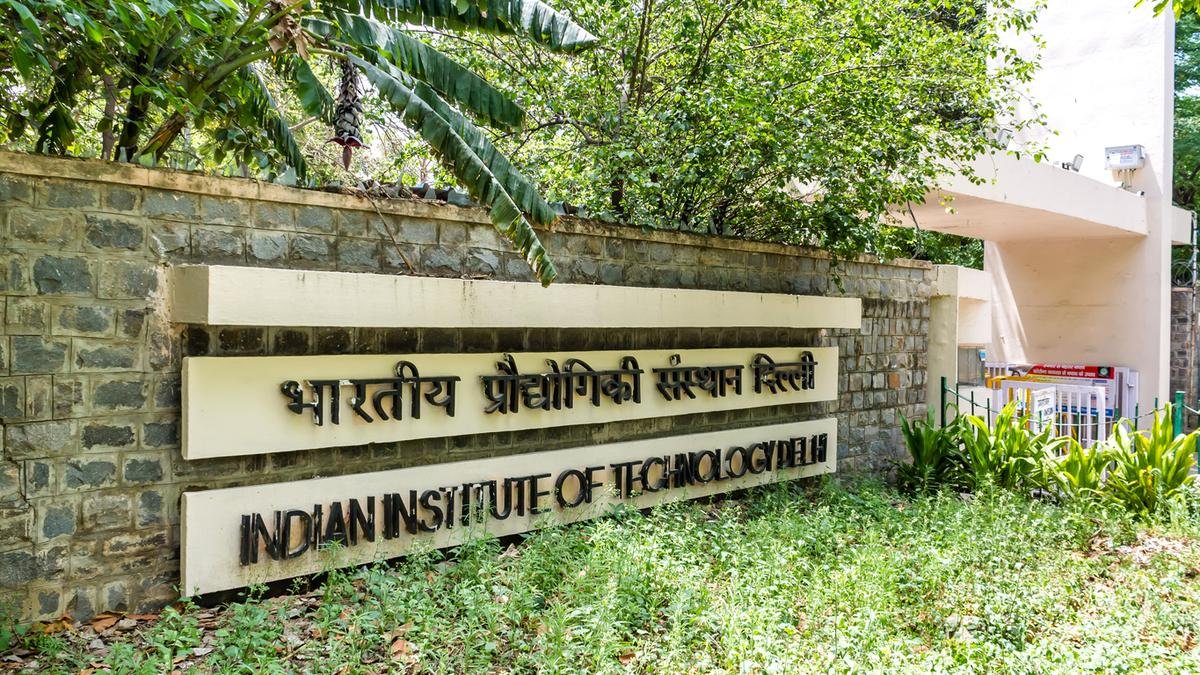
    By contrast, no IIT currently sits within the global top 100. IIT Delhi, India’s highest-ranked institution, is placed at #118 in the QS World University Rankings 2027.

    The gap is not merely one of rankings. Universities such as NUS, Tsinghua and Peking have become globally significant centres of research and knowledge creation, competing with leading institutions in Europe and North America on measures such as citations, research output and faculty reputation. India’s strongest IITs produce important research, but they have not yet achieved comparable global academic influence.

    Investment vs achievement

    The IITs have certainly produced outcomes beyond admissions. Their graduates have built companies, generated wealth and contributed enormously to India’s technology ecosystem. IIT Madras has become a significant centre for deep-tech innovation. IIT Bombay, IIT Delhi and IIT Kanpur remain among India’s strongest engineering research institutions.

    These achievements clearly matter. The harder question is whether they are commensurate with the extraordinary concentration of talent and public investment the IITs received. Stanford’s influence, for example, rests not only on the students it educates but on the ecosystem it helped create: Silicon Valley, venture capital networks, research laboratories and generations of technology companies.

    Producing vs absorbing talent

    The first few generations of IIT graduates occupied a uniquely privileged position in Indian society. Their combined exceptional ability with access to one of the country’s most valuable credentials, with almost zero fees, at a time when relatively few alternative pathways existed. The resulting opportunities were often extraordinary. They became founders, investors, researchers, policymakers and institution-builders. In many ways, they became a new Indian elite. What that elite ultimately did with its privilege is part of the story too.

    For decades, many of the most ambitious IIT graduates found their greatest opportunities outside India. An IIT degree often became a passport to graduate education abroad, Silicon Valley, Wall Street and global careers. This is not a simple story of brain drain. Many alumni contributed enormously to India from abroad. Others returned to build companies, invest capital and create jobs.

    Still, the pattern reveals something important. India became exceptionally good at producing talent before it became equally good at absorbing it. The result was that one of independent India’s flagship nation-building institutions also became a launchpad for global mobility.

    Beneath all this sits a broader question about institutional purpose. What does society expect from elite publicly-funded institutions? Is their responsibility fulfilled once they educate exceptional individuals? Or should they also be judged by the capabilities, ecosystems and institutions that emerge around them?

    It would mean judging the IITs less by placements and more by the ecosystems they create. By the quality of their research, their ability to attract and retain world-class faculty, the institutions and laboratories they help create, the technologies they commercialise, and the extent to which their knowledge strengthens the rest of India’s higher education system.

    Excellence beyond institution

    The IITs answered one of the great questions facing post-Independence India: Could this country build institutions that matched the best in the world? The answer was yes. The next question is different. Can those institutions now help strengthen an entire higher education system?

    The next phase of the IIT story should not simply be about producing more exceptional graduates. It should be about helping create more exceptional institutions. Because seventy-five years later, India no longer needs proof that it can build a handful of world-class institutions. It needs those institutions to help build a world-class higher education system.

    Elite institutions justify their privilege not only through excellence, but through the excellence they enable elsewhere. Perhaps the real test of an institution is not what happens inside its gates, but what happens because of them.

    (Shreyasi Singh is the founding managing partner of Jetri, an education consulting and strategic implementation firm.)


    Source link

    Related Posts

    Neeraj Chopra finishes second, Pathirage wins title in Lausanne Diamond League
    India

    Neeraj Chopra finishes second, Pathirage wins title in Lausanne Diamond League

    August 21, 2026
    Explained | What is NASA’s Moon Base programme, why it wants India to be part of it ?
    India

    Explained | What is NASA’s Moon Base programme, why it wants India to be part of it ?

    August 21, 2026
    PfA@30: Taking the animal kingdom under their wing
    India

    PfA@30: Taking the animal kingdom under their wing

    August 21, 2026
    Despite its reputation, India’s per-unit space launch cost highest: study
    India

    Despite its reputation, India’s per-unit space launch cost highest: study

    August 21, 2026
    Major oil spill threatens Hara mangrove forests in Persian Gulf
    India

    Major oil spill threatens Hara mangrove forests in Persian Gulf

    August 20, 2026
    Where Chennai falls in love: Between platforms, passing trains and parting ways
    India

    Where Chennai falls in love: Between platforms, passing trains and parting ways

    August 20, 2026
    Next Post

    All Set for Nubi-Tangsibji Bye-Election – Business Bhutan

    POPULAR NEWS

    2026 Regional and International Conventions of Jehovah’s Witnesses

    2026 Regional and International Conventions of Jehovah’s Witnesses

    July 7, 2026
    Løkke is personally disappointed with the United States, which is celebrating its 250th birthday

    Løkke is personally disappointed with the United States, which is celebrating its 250th birthday

    July 9, 2026
    India’s imports from China soar to $80 billion in first half of 2026, exports up 37%

    India’s imports from China soar to $80 billion in first half of 2026, exports up 37%

    July 16, 2026
    Thaksin, Yingluck and Paetongtarn meet Indonesian President Prabowo for investment talks

    Thaksin, Yingluck and Paetongtarn meet Indonesian President Prabowo for investment talks

    July 13, 2026
    This is how Nicolás Maduro and Cilia Flores reappeared in their hearing

    This is how Nicolás Maduro and Cilia Flores reappeared in their hearing

    July 24, 2026

    EDITOR'S PICK

    Hearing on whether Tate brothersstay in custody postponed, as they fight extradition

    Hearing on whether Tate brothersstay in custody postponed, as they fight extradition

    August 13, 2026
    Chronicles of Havana: Cuba, the country that unlearns

    Chronicles of Havana: Cuba, the country that unlearns

    July 22, 2026

    The firefighters speak of the fire as if it were an enemy with a mind of its own

    July 30, 2026
    Police investigate after two incidents damage Jewish-owned bakery chain

    Police investigate after two incidents damage Jewish-owned bakery chain

    July 26, 2026

    Recent Posts

    • Oman Air, SalamAir announce new CEOs
    • Neeraj Chopra finishes second, Pathirage wins title in Lausanne Diamond League
    • Tagore girl tops at CSEC; QC boy at CAPEAugust 19, 2026
    • Chief Justice Allows Trump to Continue White House Ballroom Construction, for Now

      © 2026 Agentially - Navigating shifting sovereignties and global risk .

      Welcome Back!

      Login to your account below

      Forgotten Password?

      Retrieve your password

      Please enter your username or email address to reset your password.

      Log In
      No Result
      View All Result
      • HOME
      • AMERICAS
        • Argentina
        • Brazil
        • Canada
        • Chile
        • Colombia
        • Costa Rica
        • Cuba
        • Dominican Republic
        • Ecuador
        • El Salvador
        • Greenland
        • Guatemala
        • Honduras
        • Mexico
        • Nicaragua
        • Panama
        • Paraguay
        • Peru
        • United States
        • Uruguay
        • Venezuela
      • ASIA-PACIFIC
        • Australia
        • Brunei Darussalam
        • Cambodia
        • China
        • Federated States of Micronesia
        • Fiji
        • Indonesia
        • Japan
        • Kiribati
        • Laos
        • Malaysia
        • Marshall Islands
        • Mongolia
        • Myanmar
        • Nauru
        • New Zealand
        • North Korea
        • Palau
        • Papua New Guinea
        • Philippines
        • Samoa
        • Singapore
        • Solomon Islands
        • South Korea
        • Taiwan
        • Thailand
        • Timor-Leste
        • Tonga
        • Tuvalu
        • Vanuatu
        • Vietnam
      • CARICOM
        • CARICOM – Non-English
          • Haiti
          • Suriname
        • CARICOM Associates
          • Anguilla
          • Bermuda
          • British-Virgin-Islands
          • Cayman-Islands
          • Curacao
          • Turks-and-Caicos
        • CARICOM English
          • Antigua and Barbuda
          • Barbados
          • Belize
          • Dominica
          • Grenada
          • Guyana
          • Jamaica
          • Montserrat
          • Saint Kitts and Nevis
          • Saint Lucia
          • Saint Vincent and the Grenadines
          • The Bahamas
          • Trinidad and Tobago
      • EURASIA
        • Armenia
        • Azerbaijan
        • Balarus
        • Georgia
        • Kazakhstan
        • Kyrgyzstan
        • Moldova
        • Russia
        • Tajikistan
        • Turkmenistan
        • Ukraine
        • Uzbekistan
      • EUROPE
        • Albania
        • Andorra
        • Austria
        • Bosnia and Herzegovina
        • Bulgaria
        • Croatia
        • Cyprus
        • Czech Republic
        • Denmark
        • Estonia
        • Finland
        • France
        • Germany
        • Greece
        • Holy See
        • Hungary
        • Iceland
        • Ireland
        • Italy
        • Kosovo
        • Latvia
        • Liechtenstein
        • Lithuania
        • Luxembourg
        • Malta
        • Monaco
        • Montenegro
        • Netherlands
        • North Macedonia
        • Norway
        • Poland
        • Portugal
        • Romania
        • San Marino
        • Serbia
        • Slovakia
        • Slovenia
        • Spain
        • Sweden
        • Switzerland
        • United Kingdom
      • MIDDLE EAST AND NORTH AFRICA
        • Algeria
        • Bahrain
        • Egypt
        • Iran
        • Iraq
        • Israel
        • Jordan
        • Kuwait
        • Lebanon
        • Lybia
        • Morocco
        • Oman
        • Palestinian Territories
        • Qatar
        • Saudi Arabia
        • Syria
        • Tunisia
        • Turkey
        • United Arab Emirates
        • Western Sahara
        • Yemen
      • SOUTH ASIA
        • Afghanistan
        • Bangladesh
        • Bhutan
        • India
        • Maldives
        • Nepal
        • Pakistan
        • Sri Lanka
      • SUB-SAHARAN AFRICA
        • Angola
        • Benin
        • Botswana
        • Burkina Faso
        • Burundi
        • Cabo Verde
        • Cameroon
        • Central African Republic
        • Chad
        • Comoros
        • Cote d’Ivoire
        • Democratic Republic of the Congo
        • Djibouti
        • Equatorial Guinea
        • Eritrea
        • Eswatini
        • Ethiopia
        • Gabon
        • Gambia
        • Ghana
        • Guinea
        • Guinea Bissau
        • Kenya
        • Lesotho
        • Liberia
        • Madagascar
        • Malawi
        • Mali
        • Mauritania
        • Mauritius
        • Mozambique
        • Namibia
        • Niger
        • Nigeria
        • Republic of the Congo
        • Rwanda
        • Sao Tome and Principe
        • Senegal
        • Seychelles
        • Sierra Leone
        • Somalia
        • South Africa
        • South Sudan
        • Sudan
        • Tanzania
        • Togo
        • Uganda
        • Zambia
        • Zimbabwe

      © 2026 Agentially - Navigating shifting sovereignties and global risk .

      This website uses cookies. By continuing to use this website you are giving consent to cookies being used. Visit our Privacy and Cookie Policy.