
Today’s generation is very conscious about what is in the food they eat. Protein-packed breakfasts, gut-friendly ‘gut-friendly’ foods, seed cycling, oil-free air-fried snacks… the new age fitness trends go on and on. It must be said that India has never been so health conscious before.
But despite these extreme health concerns, there is one popular dish that is tucked away in kitchens, hostel rooms, office pantries and supermarket shelves–instant noodles.
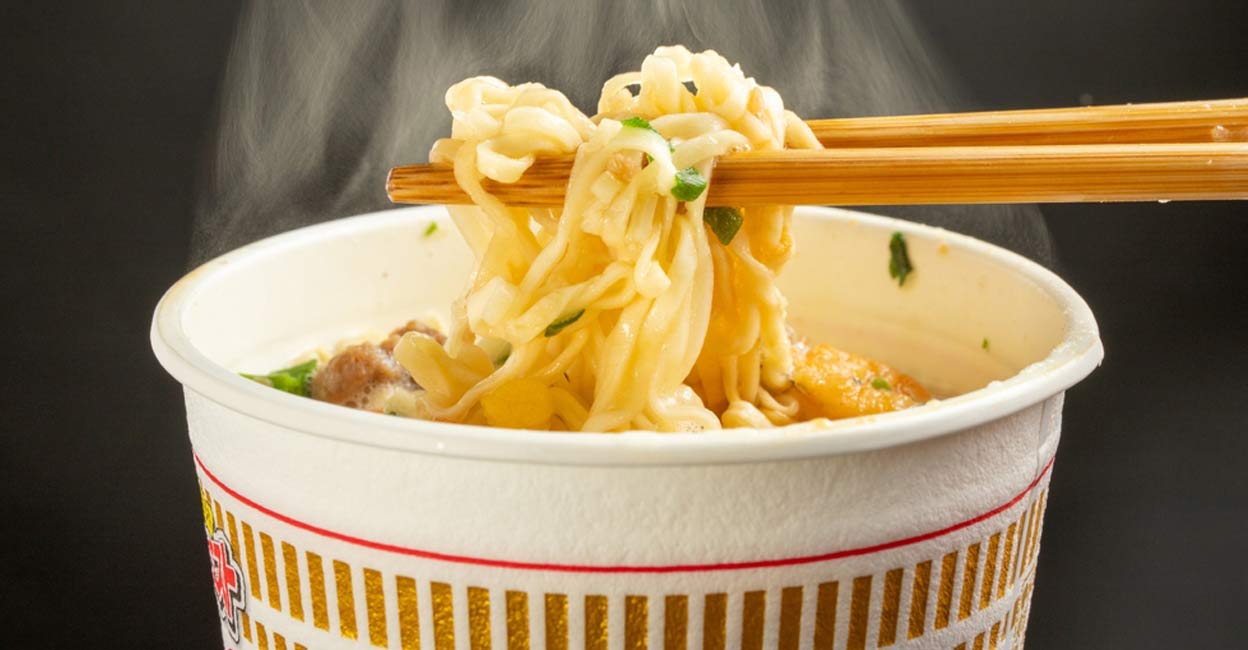
Market data shows that this love of noodles by Indians is not just an emotional impulse. India’s instant noodles market is currently around $1.8 billion (roughly Rs. 15,000 crore) and is growing day by day.
While traditional masala noodles still dominate market sales, new premium variants and Korean-style noodles have carved a niche for themselves among the youth. The reality is that even the surge in health awareness has not killed Indians’ love for instant noodles.
Maggie: It’s not just food, it’s a feeling
For 32-year-old Ashmita Mishra, instant noodles are not just food, but a treasure trove of memories.
“When I smell Maggi when I’m in a hilly area or at tourist spots, I can’t move on without eating it,” says Ashmita. ‘Even a trip to the hills feels incomplete without sitting somewhere and having a hot plate of maggi. A cold rainy day, no other food can change that weather better’.
Not only Ashmita, but a whole generation is of this mindset. Maggi is more than just a fast food for a large population. It’s nostalgia served in a yellow packet. Starving after school, midnights in hostel rooms, long train journeys, sleepless exam periods, the first dish I learned to cook on my own… there is a flood of memories behind it. Perhaps that is why even the biggest crisis in the history of the brand could not break its popularity.

2015 crisis and recovery
In 2015, Maggi was temporarily banned nationwide following concerns that it contained high levels of lead and undeclared monosodium glutamate (MSG). The controversy dominated the media and led to a larger debate on food safety. Yet, when the product returned to the market after legal battles, consumers embraced it with open arms. After its re-entry, its market share rose steadily. The comeback was a testament to the emotional connection between Indians and the brand. Few other packaged foods have developed such a high level of consumer loyalty.
The Korean wave and Jen See’s love of noodles
The Korean wave brought not only K-pop and K-dramas to India, but also a great food culture. Soon, dishes like bibimbap, kimchi fried rice and japche became household names among Indians. Along with them, Korean instant noodles also made waves in the country.
The biggest hit is ‘Samyang’s Bulldog Ramen’. It quickly went viral with social media challenges, reaction videos and its intense spunk.
Today there is a huge market in India for Korean noodles alone. According to industry estimates, this segment has grown into a Rs 300 crore sub-sector in India. These Korean noodles account for nearly one-third of all instant noodle sales on quick-commerce platforms. While global brands like Samjang and Nongshim dominate the sector, leading Indian manufacturers are also rushing to launch Korean-inspired noodle variants.
‘Convenience’ above all else
If nostalgia is part of the instant noodles story, the rest is convenience and affordability. For students, young professionals, and people living alone away from home, instant noodles are often more of a practical necessity than a luxury. Its low cost, just a few minutes to prepare, and minimal cooking effort make it popular.
Health crisis
No nutritionist is likely to recommend noodles as a staple diet. It is an open secret that instant noodles are not so good for health. New studies are coming out every now and then explaining how these increase the risk of dementia, heart disease and hormonal imbalances. A standard 70g packet of masala noodles contains around 310–350 calories. It is mainly made up of refined carbohydrates like flour. It is low in fiber and protein, but high in sodium.
One packet of Samyang Buldak 2x Spicy Ramen provides over 500 calories and over 1,200 milligrams of sodium. Also, there is no doubt that its intense bitterness can harm the digestive system and gut health.
The biggest irony is that even in an age where today’s consumers are obsessed with protein content, gut health, and calorie tracking, many are unwilling to give up instant noodles entirely. Amidst strict diets and strict lifestyles, instant noodles remain a favorite dish of the Indian youth as a little ‘cheat meal’ that brings joy to the mind.